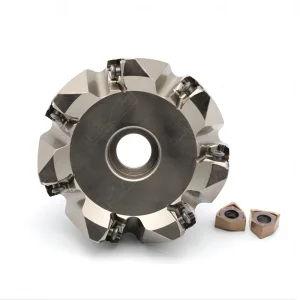
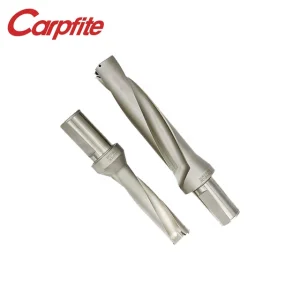
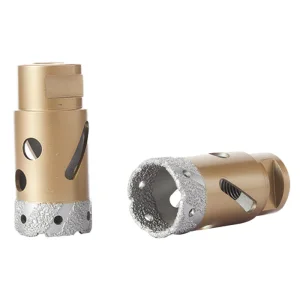
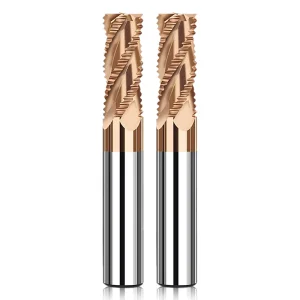
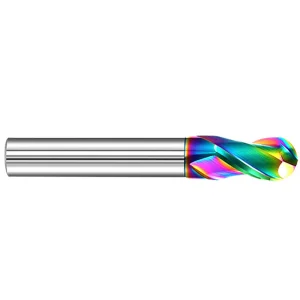
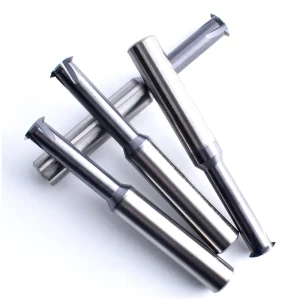
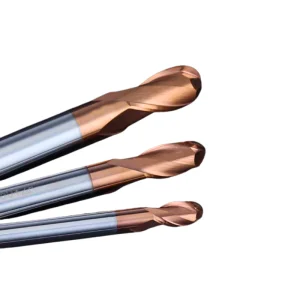
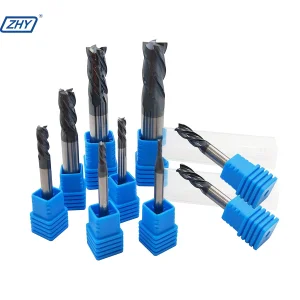
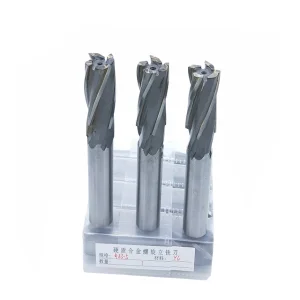
Explore our foundational range of solid carbide cutting, milling, and drilling solutions designed for high-stress manufacturing environments.
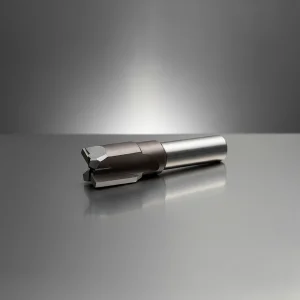
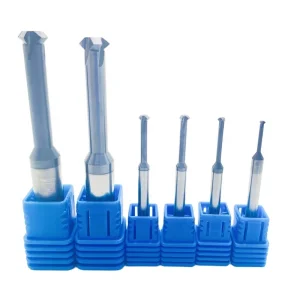
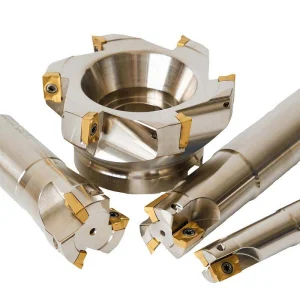
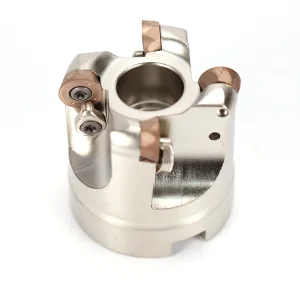
In the modern manufacturing vertical, metal forming tools represent the core of industrial productivity, structural integrity, and manufacturing efficiency. Metal forming and material removal demand tools that operate under extreme shear stress, high thermal spikes, and continuous load cycles. As global standards align towards safety, energy conservation, and micro-precision, CE Certified Metal Forming Tools stand out as the industrial benchmark for safety, reliability, and precision.
For global procurement officers, system integrators, and CNC machining operations, sourcing from certified manufacturing hubs is no longer just a cost-containment strategy, but a fundamental compliance and reliability requirement.
Traditional carbide substrates often suffer from sub-surface micro-cracks under high-speed thermal load. Our specialized sintering process achieves grain boundary control of less than 0.5 microns. This structural uniformity prevents macro-fracturing during intensive metal forming procedures, ensuring a predictable tool lifespan even when machining high-tensile structural alloys.
As a recognized national high-tech enterprise established in 2008, our team brings over 15 years of physical tool design engineering, precision grinding, and advanced chemical vapor deposition (CVD) implementation to the global supply chain.
Understanding the micro-level shifts in macro-manufacturing landscapes and tooling requirements across global sectors.
The rapid shift towards electric vehicles (EVs) requires processing Ultra-High-Strength Steels (UHSS) and lightweight structural aluminum. This paradigm demands cutting and forming tools with high thermal shock resistance and optimized cutting geometries to mitigate work-hardening during milling.
Milling Titanium and Inconel alloys results in extreme tool temperatures. Advanced tool architectures featuring internal coolant micro-channels and high-density AlTiN or TiSiN multi-layered coatings prevent catastrophic chemical reactions at the cutting boundary, ensuring repeatable component accuracy.
Consumer electronics and medical implants demand ultra-tight geometric tolerances down to the micron level. This level of precision requires ultra-fine grain tungsten carbide substrates that exhibit zero dimensional deflection under repetitive mechanical load.
A leading national high-tech enterprise specializing in precision solid carbide cutting tools and manufacturing excellence since 2008.
Suzhou Tier Tool Co., Ltd. was established in 2008 and is a national high-tech enterprise specializing in the design, manufacturing, and technical support of precision solid carbide cutting tools. Since its foundation, Tier Tool has been deeply committed to the precision machining industry, focusing on delivering high-performance, high-efficiency cutting solutions for hole-making and metalworking applications. Through continuous technological innovation and manufacturing excellence, the company has earned the trust of customers across a wide range of industries worldwide.
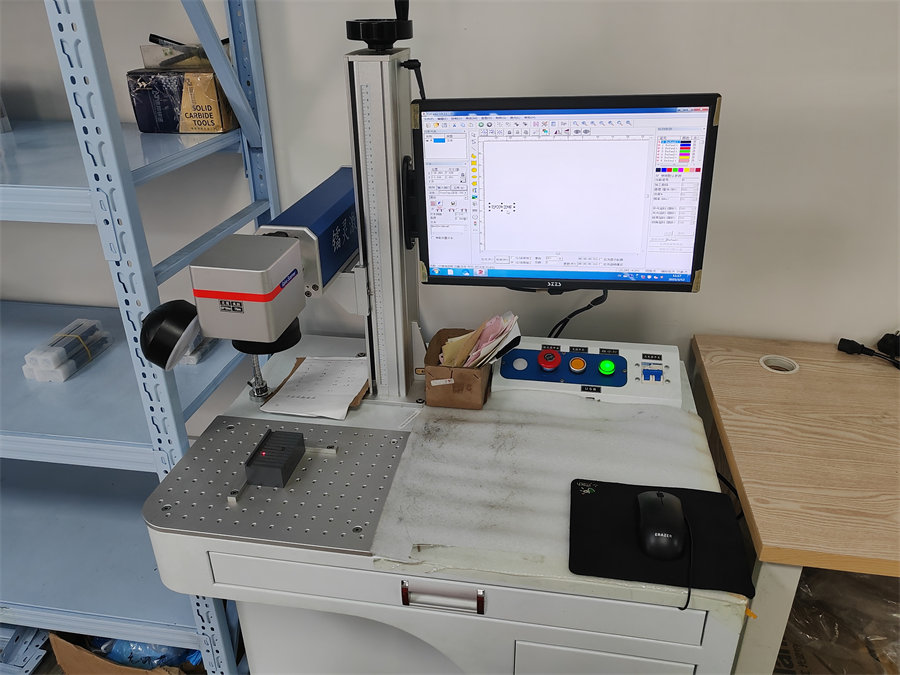
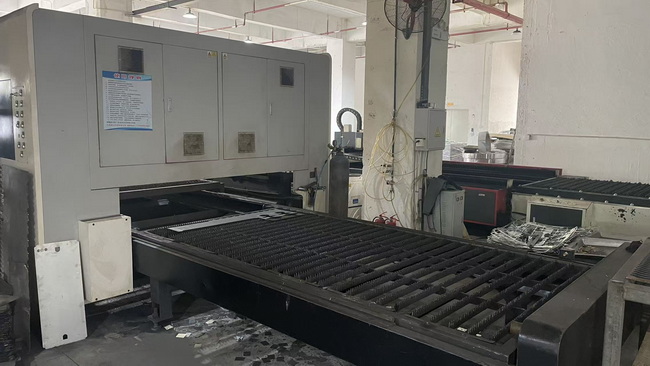
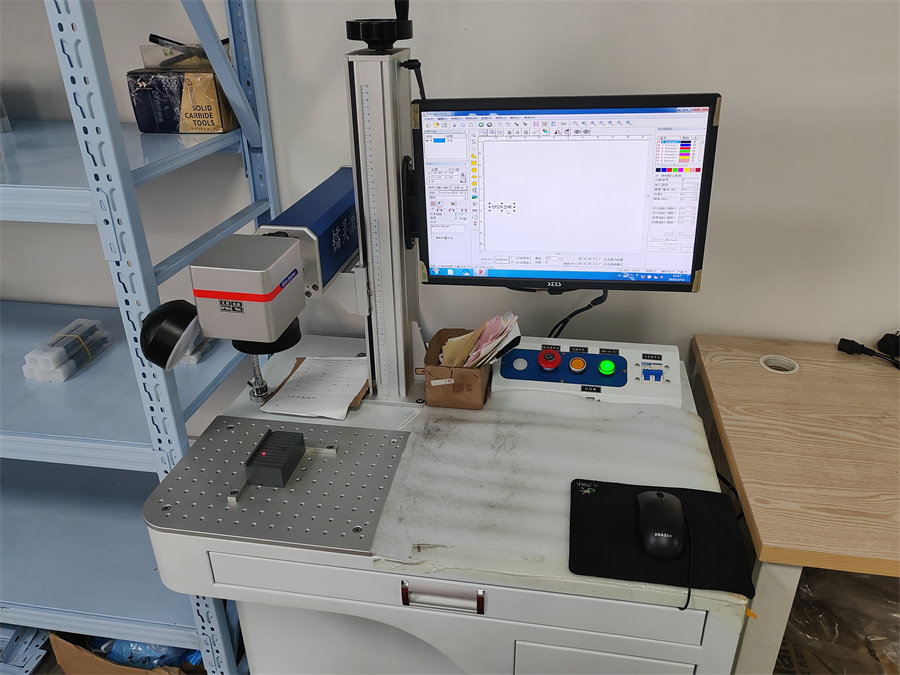
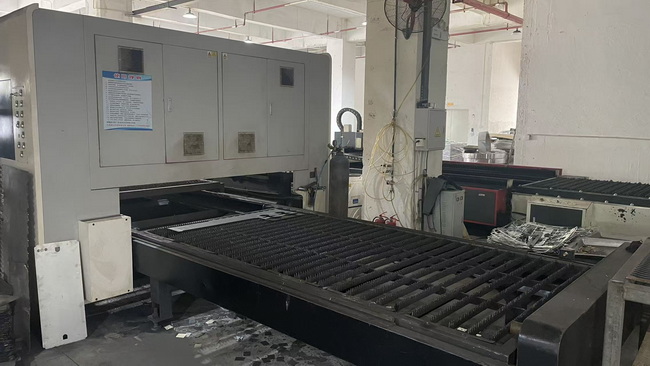
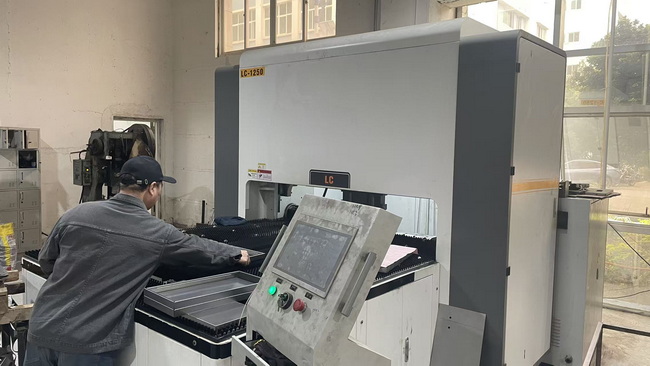
To ensure the highest levels of precision and consistency, Tier Tool has invested extensively in advanced manufacturing equipment and production technologies. The company operates multiple imported CNC tool grinding machines and precision inspection systems, enabling complete in-house capabilities from tool design and prototyping to small-batch testing and large-scale production.
Our manufacturing process is built upon strict process control and traceability standards. Every production stage is carefully monitored to ensure repeatability, quality consistency, and reliable delivery performance. Through systematic process management and standardized operating procedures, Tier Tool has established a robust manufacturing system capable of meeting the demanding requirements of modern precision machining.
We adhere to the principle of "Quality First, Continuous Improvement", implementing rigorous quality control procedures throughout the entire production cycle. From raw material selection and incoming inspection to final product verification, every tool undergoes comprehensive quality checks to ensure it meets strict dimensional, geometrical, and performance requirements.
How tool microstructure and chemical vapor deposition determine real-world cutting and forming throughput.
| Substrate Material | Hardness (HV) | Thermal Threshold | Primary Application Scenarios | Coating Configurations |
|---|---|---|---|---|
| Ultra-Fine Tungsten Carbide | 1600 - 1800 | 850°C | Titanium, Stainless Steel, Die Steel Machining | AlTiN / TiSiN Multi-layer |
| High-Speed Steel (HSS-Co) | 800 - 950 | 600°C | Intermittent Cutting, Small-batch general metal works | Titanium / Nitride Plating |
| Polycrystalline Diamond (PCD) | >5000 | 650°C | Aluminum Alloys, Fiber Reinforced Polymers | Diamond Coated Particle Core |
| Cermet Substrates | 1500 - 1700 | 1000°C | High-speed finishing, continuous carbon steels forming | TiCN Thin-Film Layer |
During operations involving high feed rates, tool deflection compromises geometric tolerances. Suzhou Tier Tool integrates finite element analysis (FEA) into its tool design phases. This allows engineers to optimize the tool core thickness and flute helix angle (varying from 35° to 45° dynamic helix), maximizing mechanical rigidity while enhancing chip evacuation channels to minimize thermal heat soak.
Coatings are not generic. While AlTiN (Aluminum Titanium Nitride) forms a stable aluminum oxide layer at high heat, protecting against continuous abrasive wear, our TiSiN (Titanium Silicon Nitride) coatings reach an ultra-hardness of up to 38 GPa. This hard surface shell provides exceptional chemical stability, preventing tool failure during extreme dry-machining conditions.
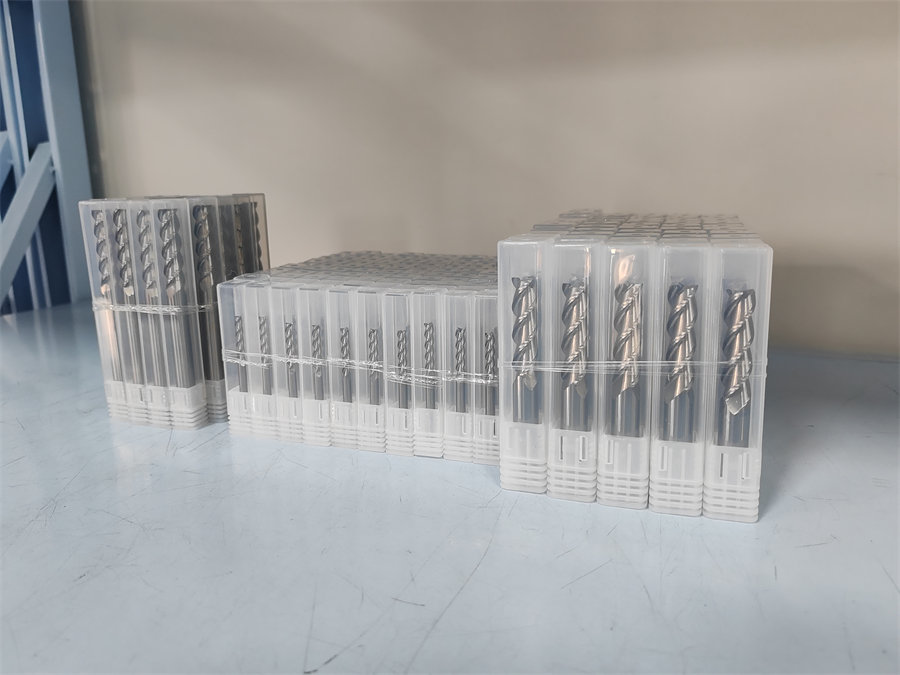
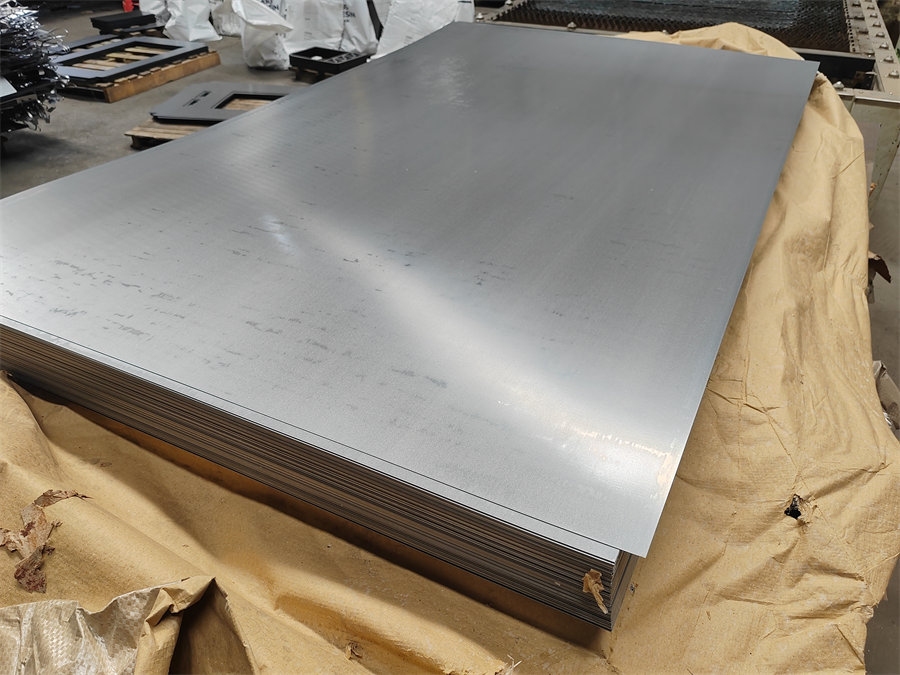
Direct photographic verification of our end-to-end industrial fabrication, inspection, and packaging workflows.
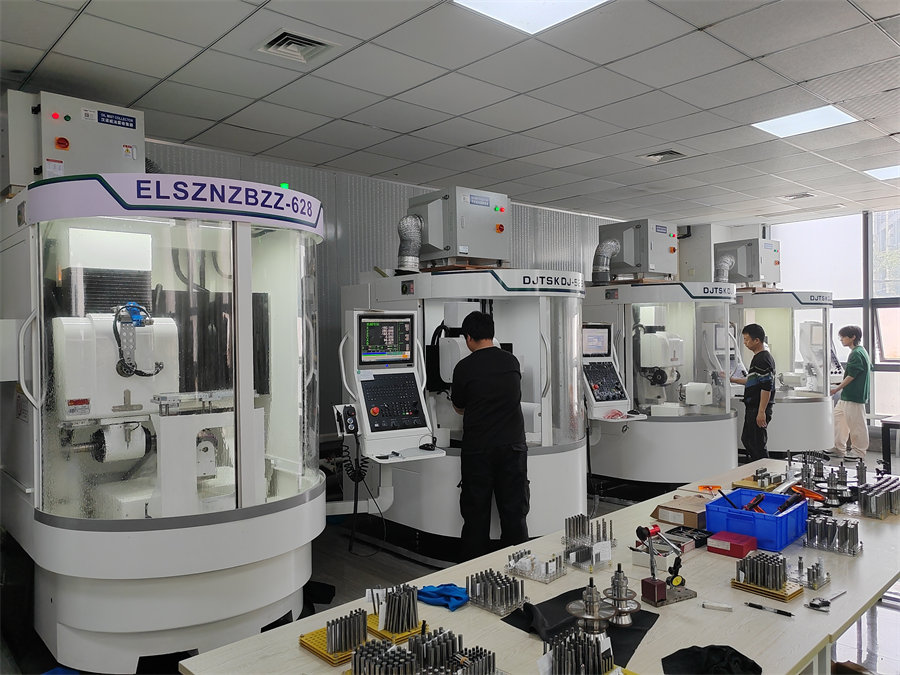
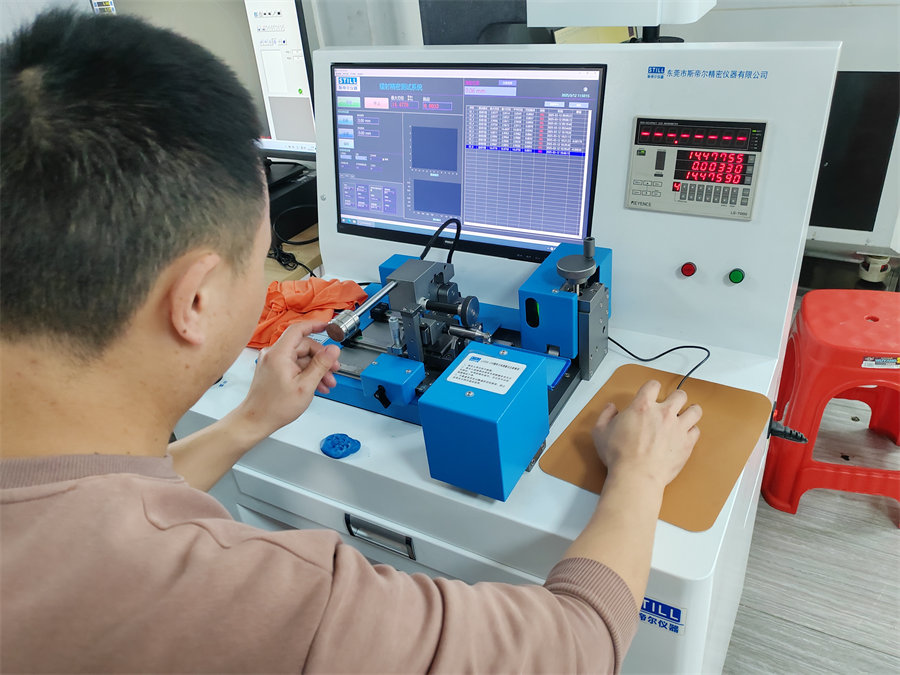
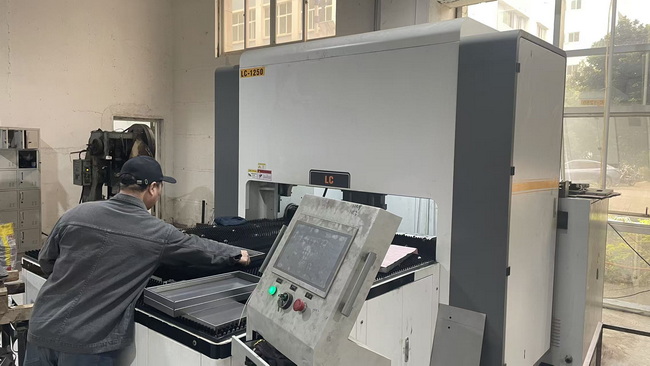
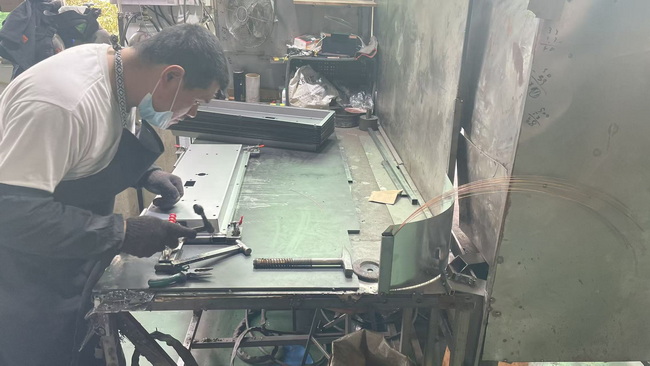
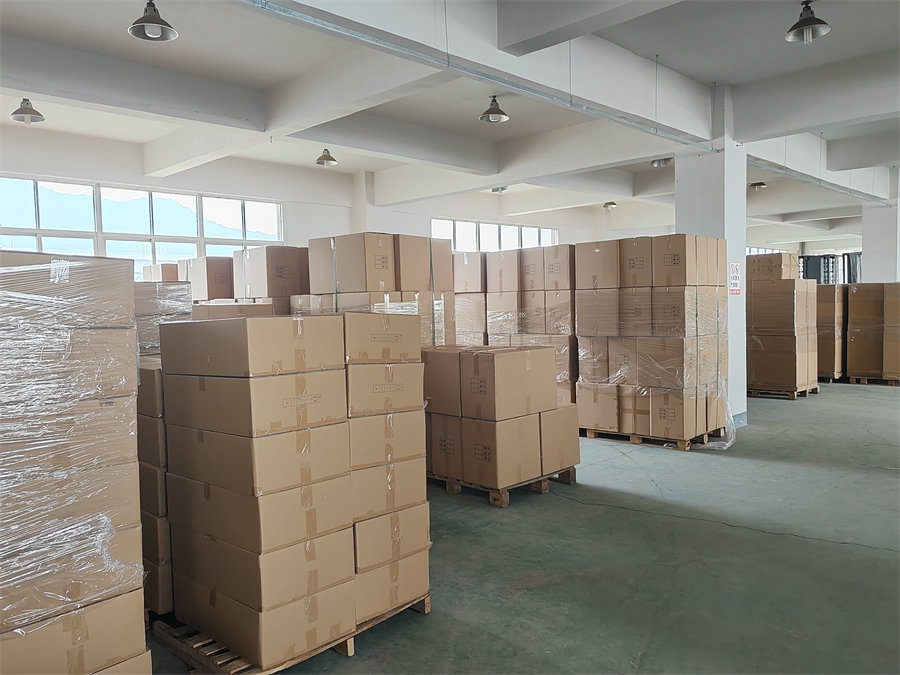
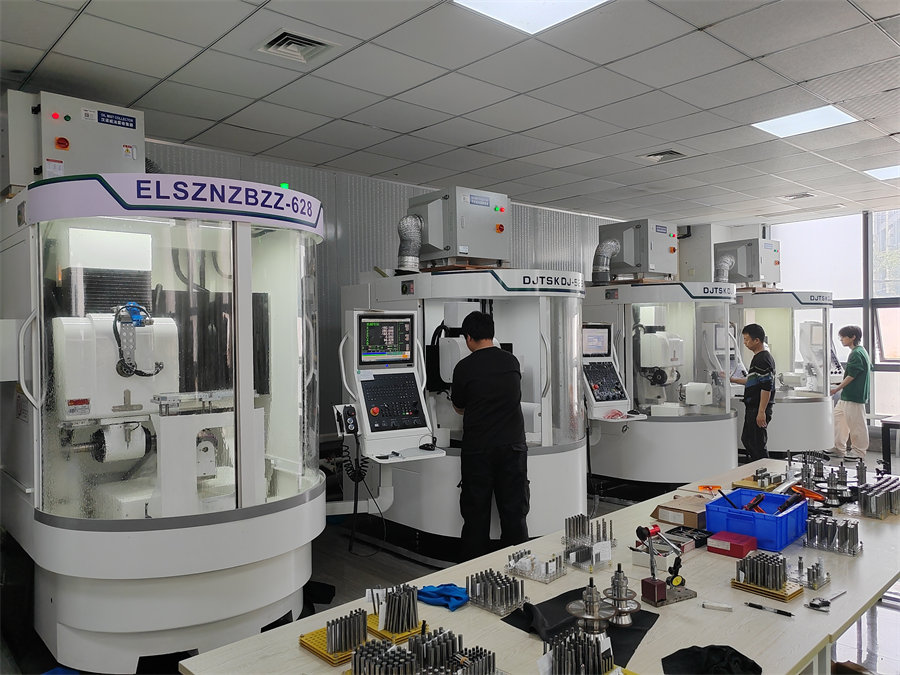
Why Tier Tool is strategically positioned to deliver premium value without sacrificing compliance, lead time, or reliability.
China is home to the world's most robust tungsten carbide supply chain ecosystem, offering unparalleled raw material availability, processing technologies, and logistics integration. Suzhou Tier Tool leverages this localized advantage to maintain strict control over manufacturing costs and production schedules, passing these efficiencies directly to our global partners.
Our facility is located in Suzhou, within the high-tech industrial corridor of the Yangtze River Delta. This proximity gives us immediate access to raw materials, thermal treatment partners, and advanced surface coating facilities, reducing transport times and carbon footprint.
In addition to cost benefits, our supply chain is highly adaptable. With a dynamic inventory system for carbide rod stocks of varying micro-grain classes, we can transition from design concepts to finished tools in record time. This flexibility enables us to support rapid testing cycles and adapt to sudden increases in customer demand.
Every tool is designed, ground, coated, and checked in-house to guarantee quality consistency and ensure complete process traceability from start to finish.
Providing compliant tools and technical support to optimize your metal forming processes.
Each batch of tools is assigned a unique tracking code. This identifier links the tool to its original carbide batch and raw material inspection records, ensuring quality consistency and process accountability.
Beyond delivering products, we provide application engineering services to assist customers in optimizing their manufacturing processes, helping analyze machining conditions to recommend suitable tooling strategies.
Our tools are designed and manufactured to meet European safety and performance criteria, ensuring compliance with industrial manufacturing standards and system safety regulations.
Detailed technical answers addressing standard inquiries from engineers, purchasing agents, and quality inspectors.
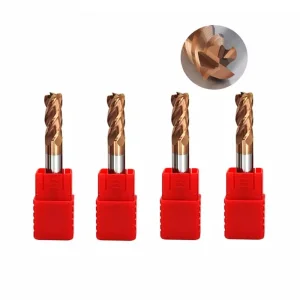
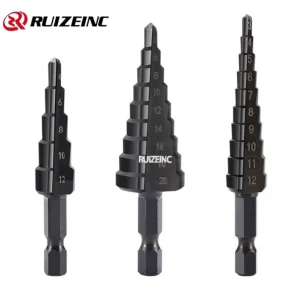
Explore our specialized wave-tooth roughing mills, indexable profile cutters, and HSS step drills designed for heavy-duty metal fabrication.
 Tier Tool