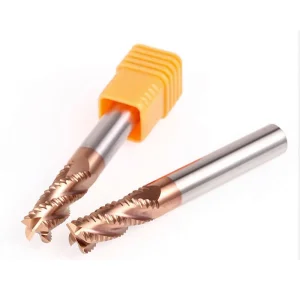
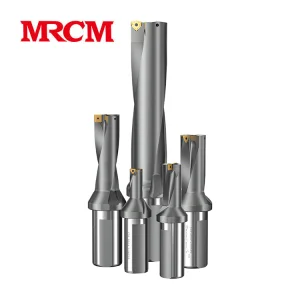
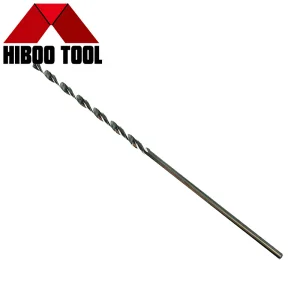
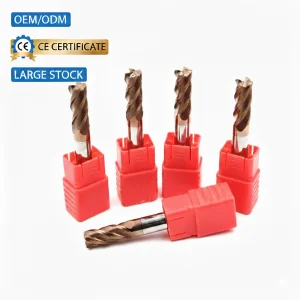
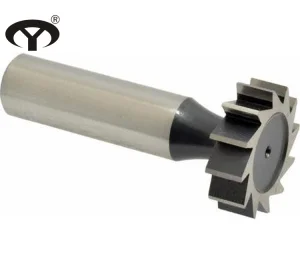
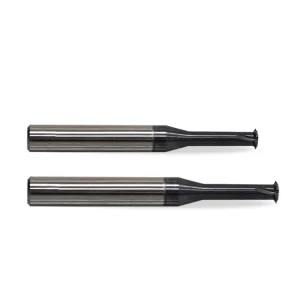
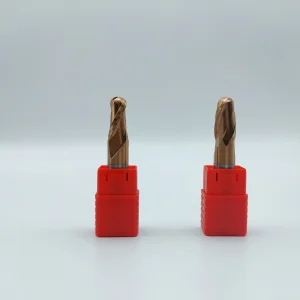
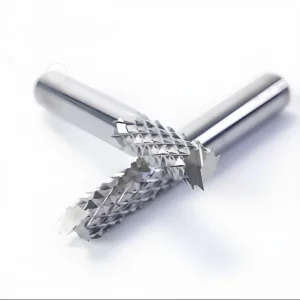
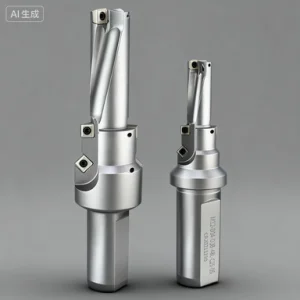
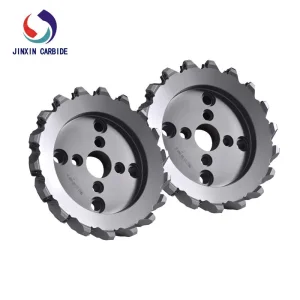
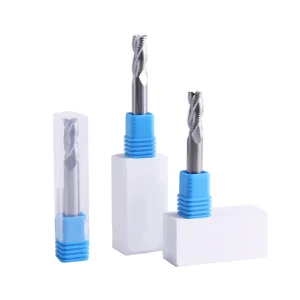
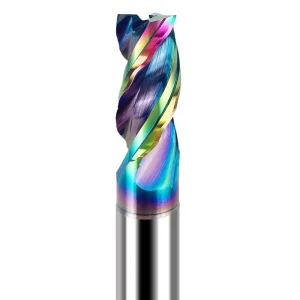
Explore our flagship high-performance solid carbide end mills, U-drills, and specialized indexable systems engineered for high accuracy and chip control.
National High-Tech Enterprise Dedicated to High-Performance Solid Carbide Engineering Solutions
Founded in 2008, Suzhou Tier Tool has spent over a decade deep-diving into precision machining fields, designing and manufacturing tools that redefine feed rates and chip geometry.
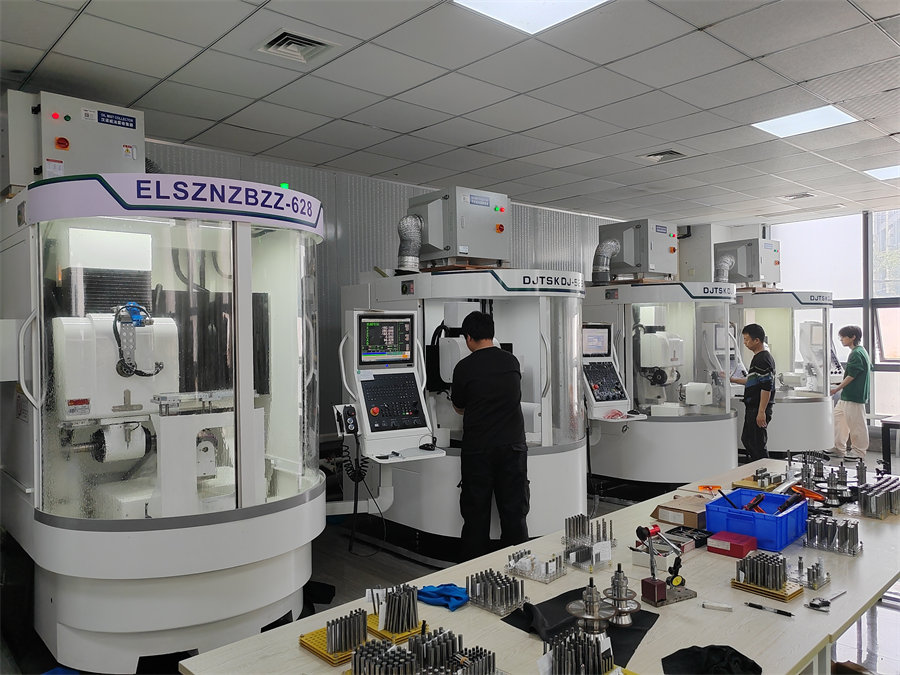
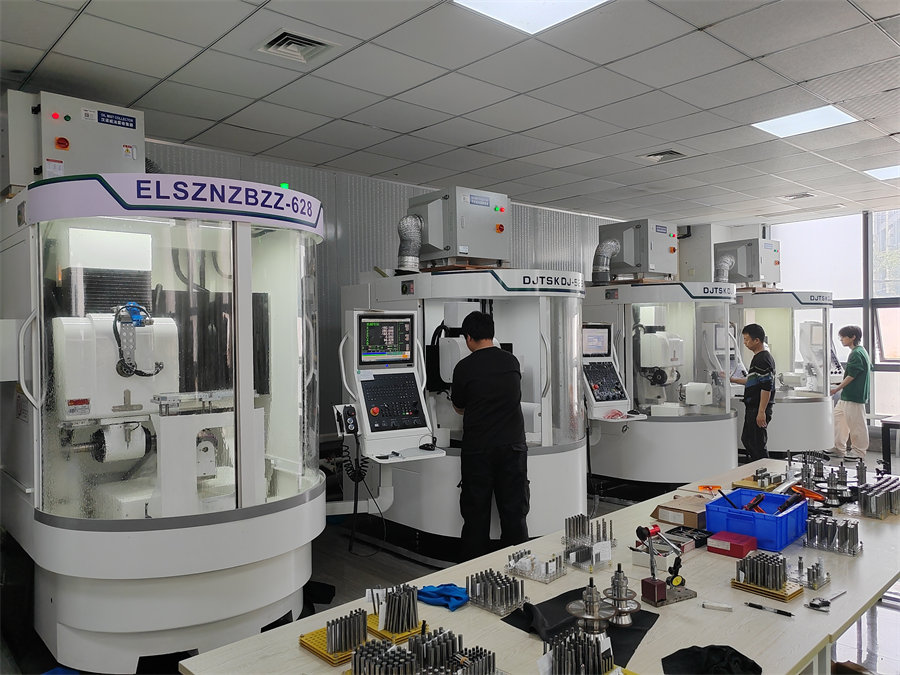
Equipped with state-of-the-art CNC tool grinding systems, we achieve strict dimensional and shape tolerances, offering exceptional batch-to-batch repeatability and long tool life.
Beyond tool supply, we run close application-engineering partnerships with global clients, identifying the optimal carbide grade, helix angle, and coating parameters.
The global metalworking and subtractive manufacturing sectors have entered an era of rapid transformation. As industries transition to hard-to-machine alloys (including Titanium Grade 5, Inconel 718, and high-strength tool steels), standard milling geometries no longer suffice. Standard geometric profiles suffer from thermal fatigue, premature edge wear, and catastrophic tool breakdown under heavy cyclic loads. This has driven the industry toward specialty milling cutters, custom-tailored with specific variable-helix designs, eccentric reliefs, and advanced physical vapor deposition (PVD) coatings.
High-precision sectors such as aerospace turbine components, medical structural implants (cobalt-chrome, titanium bone plates), and automotive powertrain molds demand tools with sub-micron carbide grain substrates. The performance matrix of a modern milling tool is measured not just in linear meters cut, but in surface finish (Ra values below 0.2µm) and volumetric material removal rates (MRR). Specialty tooling bridges the gap between machine power capabilities and physical metallurgical limits, minimizing dynamic vibration during high-speed machining operations.
As a leading hub for high-performance tool exports, Chinese manufacturers like Suzhou Tier Tool Co., Ltd. leverage a unique cluster ecosystem. China leads the global raw tungsten material supply chain, providing high-purity tungsten carbide powders with ultra-fine grain structures (0.4µm - 0.6µm). This raw material dominance, combined with large-scale investment in European precision grinding machinery (such as Walter CNC grinders, Rollomatic, and ANCA systems), allows Chinese exporters to deliver tools with precision tolerances exceeding standard DIN and ISO requirements.
In addition to raw material and machinery alignment, the efficiency of China's tool manufacturing hubs is driven by highly integrated supply chains. A new geometry design can transition from CAD simulation to 3D grinding, tool coating, and microscopic quality inspection in a fraction of the time compared to Western counterparts. This rapid prototyping lifecycle provides global buyers with unmatched agility when reacting to changes in aerospace or automotive manufacturing lines.
Specialty cutters are tailored differently based on geographical manufacturing traits and regional steel and alloy standards:
Focuses heavily on trochoidal milling, requiring long-flute cutters with variable-pitch geometry to reduce harmonics when milling high-strength structural steels and hard cast irons.
Demands specialized DLC (Diamond-Like Carbon) coatings for high-silicon aluminum alloys (like 6061-T6 and 7075), preventing material adhesion (BUE) during high-feed pocketing.
Relies on micro ball-nose cutters with multi-layered nanocomposite coatings (like TiAlN/AlCrN) capable of dry-machining hardened mold steel up to HRC 65 with high thermal stability.
The cutting tool industry is advancing beyond simple substrates. Key emerging developments include:
Procuring specialty milling cutters involves balancing price and tool life. Global procurement heads should evaluate tooling suppliers based on the following three key performance metrics:
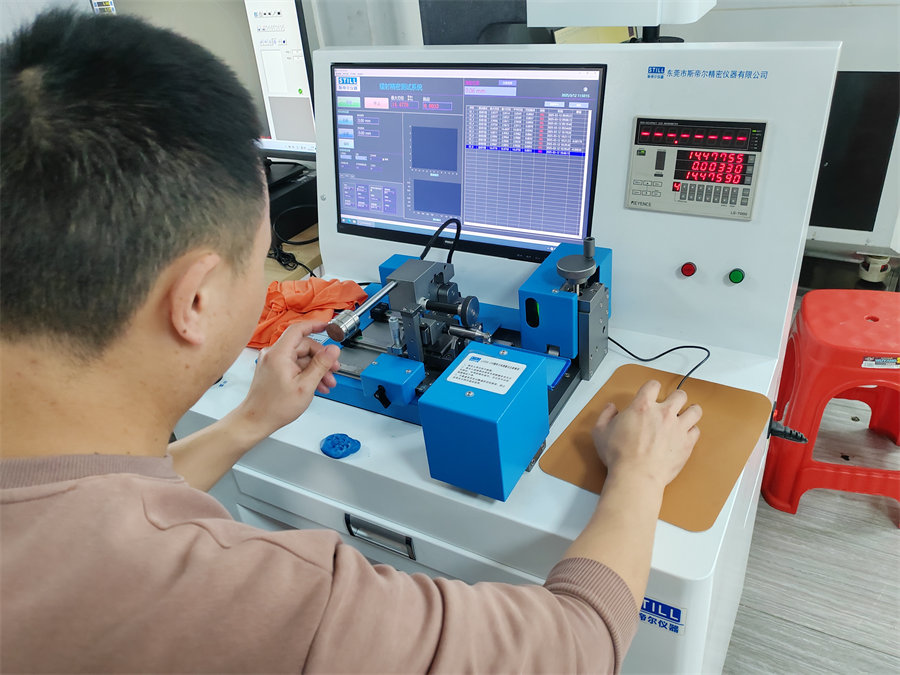
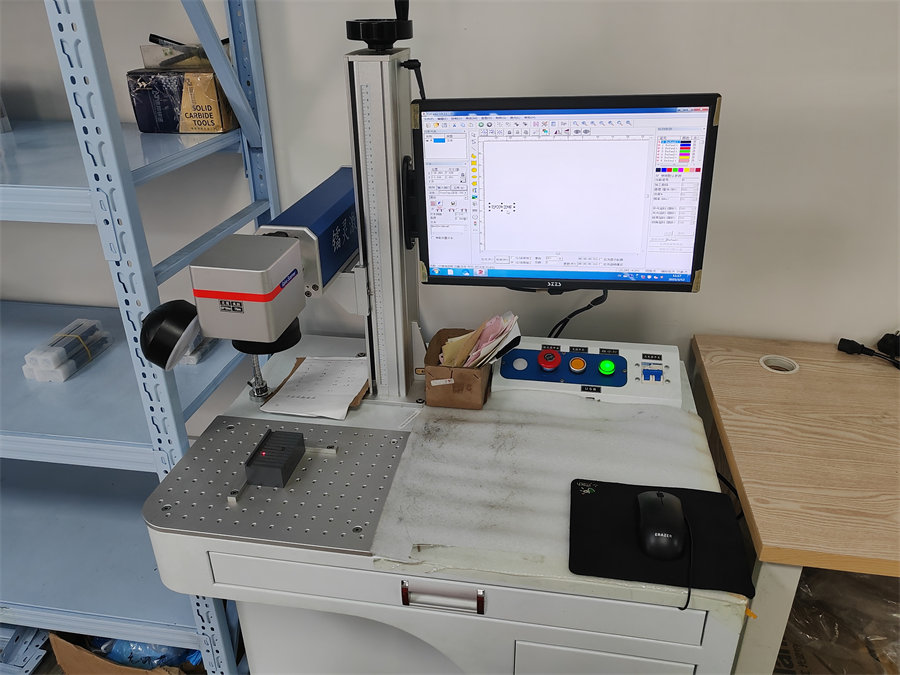
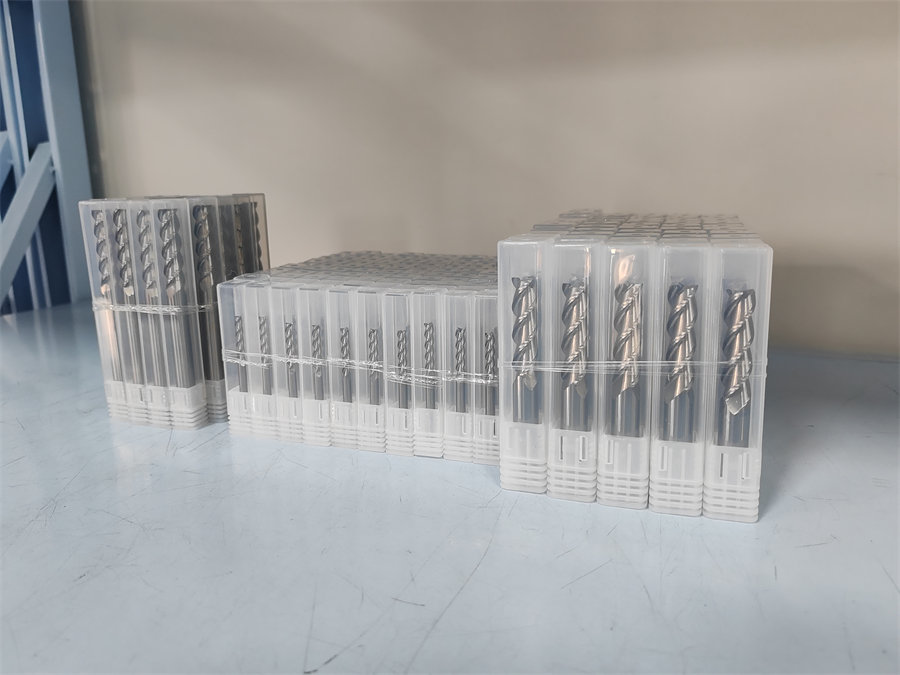
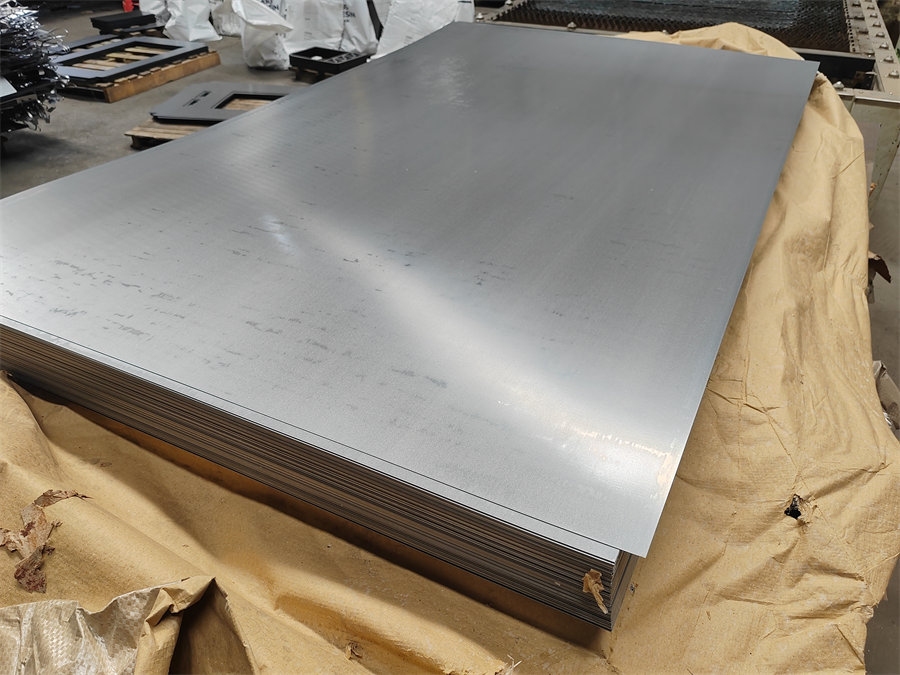
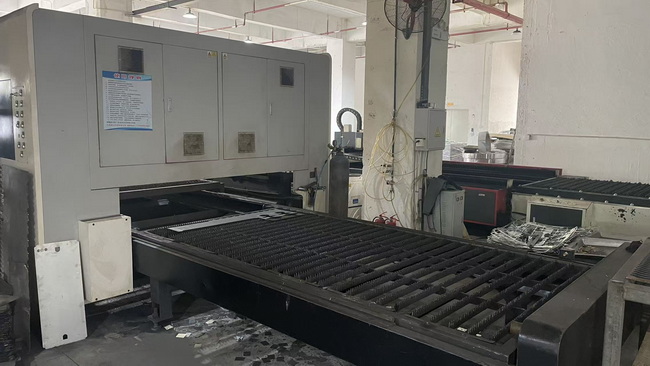
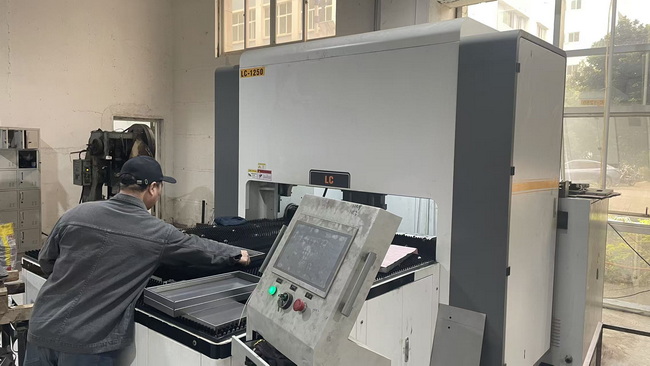
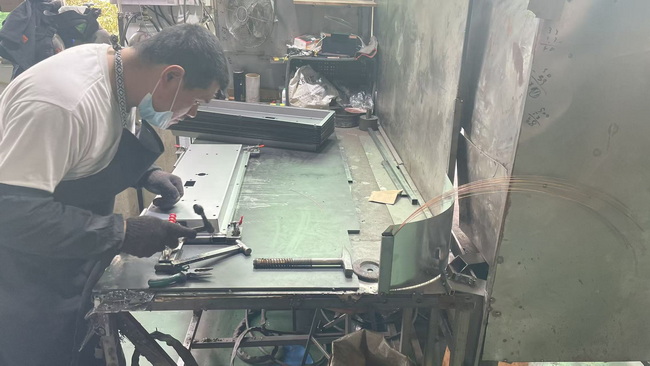
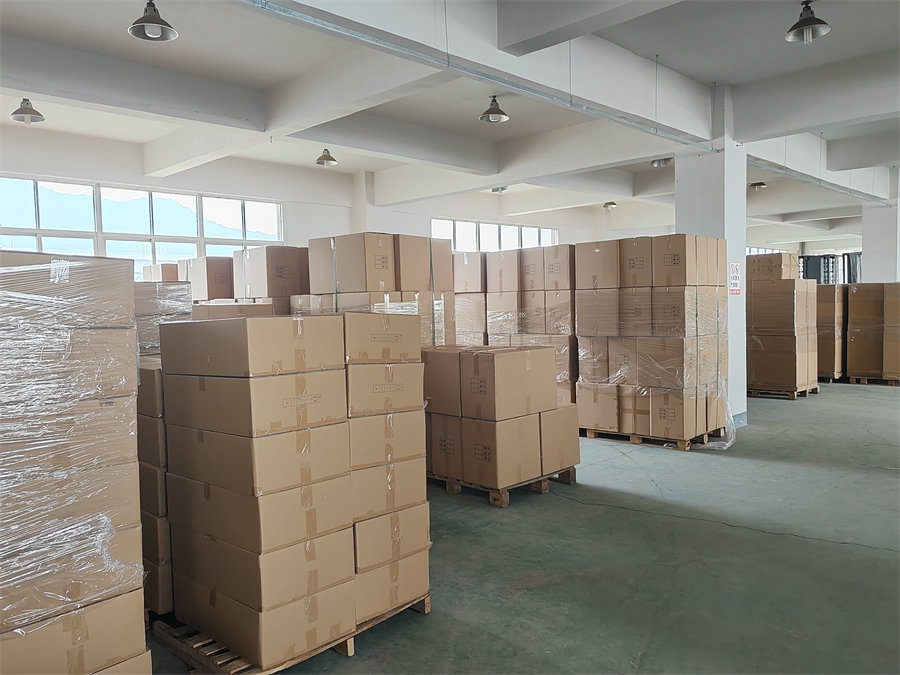
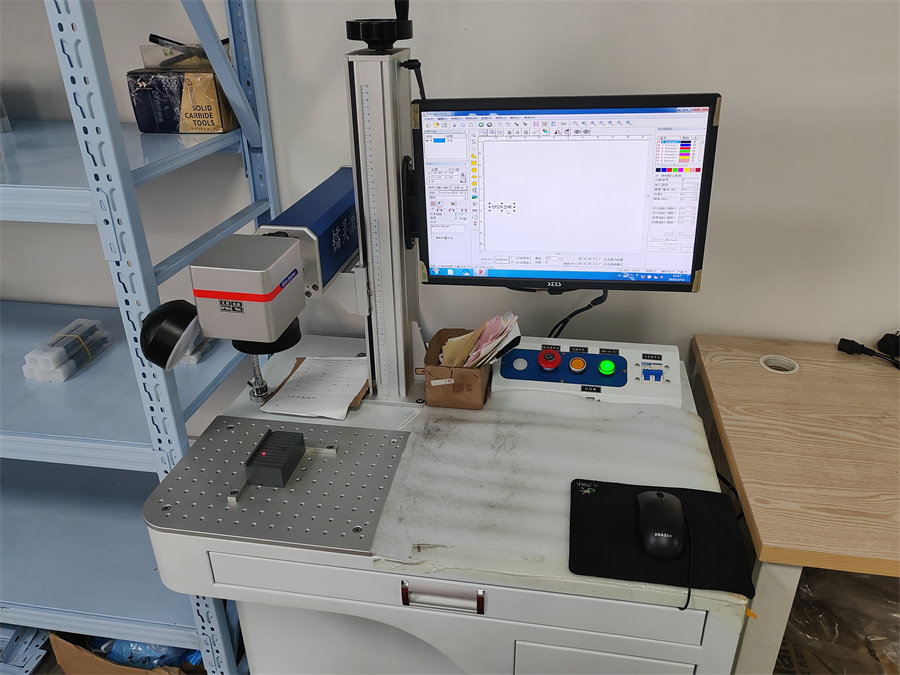
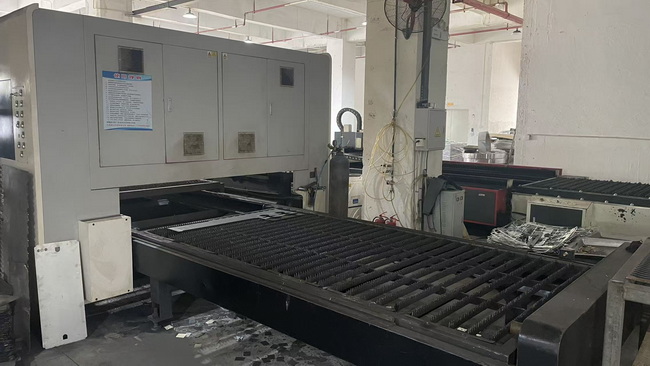
Behind every precision tool is a controlled manufacturing sequence. From automated multiaxis CNC grinding to advanced optical metrology, we ensure absolute consistency.
Answers to critical engineering queries regarding tool selection, coatings, speeds, feeds, and raw material optimization.
We source ultra-fine grain tungsten carbide substrate with a cobalt content ranging between 10% to 12% depending on the toughness-to-hardness requirement. The grain sizes are maintained at the submicron level (typically 0.4µm to 0.6µm), which offers an optimal balance of hardness (up to HRC 65) and transverse rupture strength (TRS) to withstand heavy mechanical impact without catastrophic edge breakdown.
Traditional fixed-helix end mills cause regular, periodic impacts as each flute enters and exits the workpiece, setting up resonant harmonic vibrations (chatter). Our specialty milling cutters feature differential pitching and variable helix angles (e.g., alternating between 35° and 38°). This offsets the entry and exit timing of the cutting edges, dampening vibration harmonics and allowing for a smoother surface finish, higher feed rates, and extended spindle bearing life.
DLC coatings have extremely low friction coefficients and high hardness at lower temperatures, making them ideal for non-ferrous metals like aluminum alloys, copper, and carbon-fiber-reinforced polymers (CFRP). However, DLC coatings begin to degrade (graphitize) at around 600°C. For milling steel, stainless steel, and high-temp alloys where interface temperatures can exceed 800°C, AlTiN or TiAlN coatings are preferred due to their high oxidation temperature (up to 900°C) and hot hardness properties.
For custom tools requiring specific flute geometries, radii, or stepped designs, our technical design department drafts the blueprint within 48 hours. Upon design approval, the typical production timeline—including precision multi-axis grinding, edge preparation, coating deposition, and metrology verification—ranges from 10 to 15 business days, depending on batch volume.
Consistency is maintained through a closed-loop quality management system. Every production run is monitored using in-process laser measurement on our CNC grinding machines. Finished tools undergo 100% optical inspection using advanced tool analyzers to check core parameters such as outer diameter, run-out (held within 0.002mm), and helix accuracy, ensuring the final batch matches the prototype specifications.
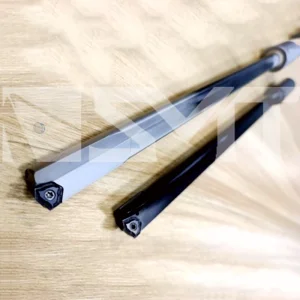
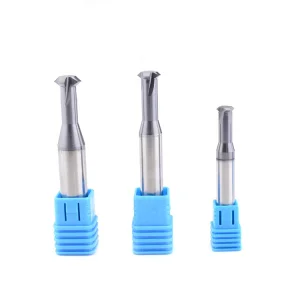
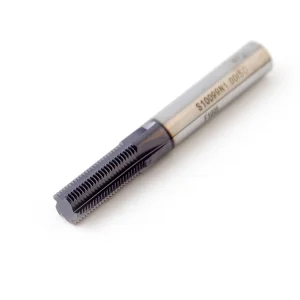
Complete your operations with our secondary line of specialized threading tools, step drills, and heavy-feed anti-vibration cutters.
 Tier Tool