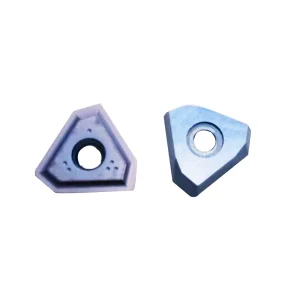
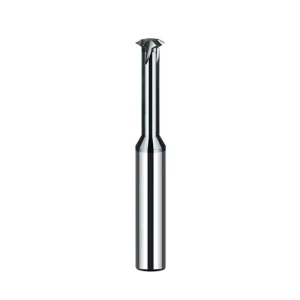
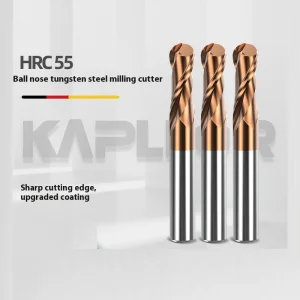
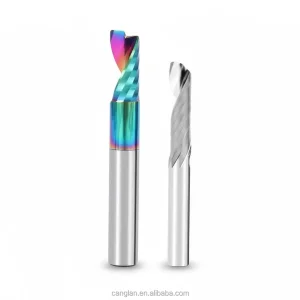
Explore our foundational range of solid carbide threat mills, end mills, indexable face cutters, and high-performance twist drills engineered for high-feed applications.
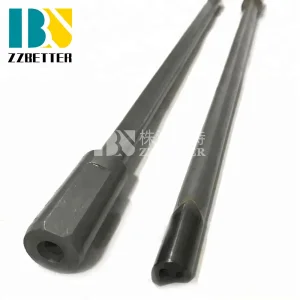
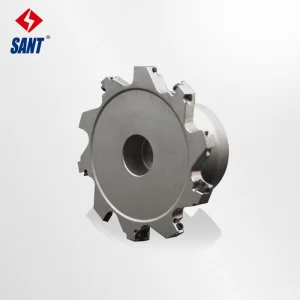
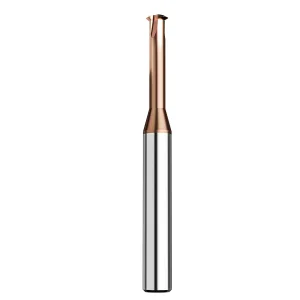
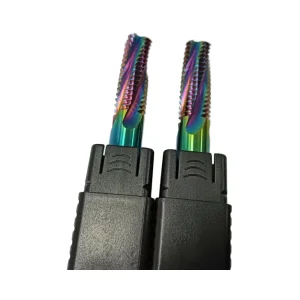
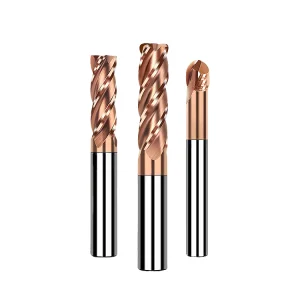
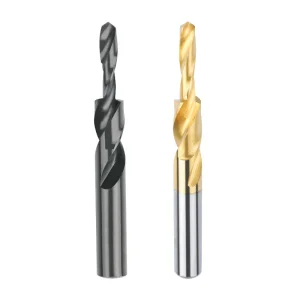
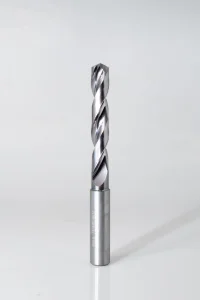
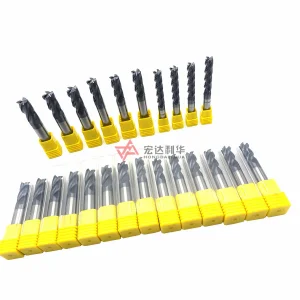
In the high-precision world of metalworking and CNC machining, thread generation stands as one of the most critical finishing operations. Traditionally, taps have dominated the thread-cutting arena. However, as manufacturing processes transition to faster, more automated environments, the industrial paradigm has shifted dramatically toward solid carbide thread milling. Unlike tapping, which subjects both the tool and the workpiece to intense torsional stresses, thread milling relies on helical interpolation. This advanced process controls the pitch and diameter of the thread using multi-axis CNC movement, resulting in superior chip control, reduced cycle times, and minimal risk of tool breakage.
When a traditional tap breaks inside an expensive, nearly finished workpiece (such as an aerospace-grade turbine housing or a complex automotive engine block), the resulting cost of part scrapping and downtime is catastrophic. Thread milling mitigates this risk. Because the diameter of the thread milling cutter is smaller than the hole size, even if a tool breakage occurs, the broken cutter can easily be extracted without damaging the thread pitch or the workpiece material. This technological evolution represents a significant leap forward in precision engineering, making solid carbide thread mills the standard choice for modern intelligent manufacturing facilities worldwide.
Thread milling allows for precise control of thread depth and pitch diameter tolerances using CNC offset compensation. This means operators can adjust tool wear parameters in real-time, maintaining high-precision tolerances across large batch production runs, something virtually impossible with standard static taps.
Global procurement directors and supply chain managers in the automotive, aerospace, medical device, and defense sectors face intense pressure to source tooling that delivers maximum productivity at optimized costs. When evaluating a China wholesale thread mills supplier, technical buyers do not simply look at price lists; they analyze materials science, quality systems, and manufacturing tolerances. Key procurement benchmarks include:
Procuring raw materials containing micro-grain tungsten carbide (grain size < 0.6μm) with a balanced Cobalt percentage (typically 10-12% for thread mills) ensures high wear resistance and toughness under intermittent cutting conditions.
High-thermal coatings such as AlTiN (Aluminum Titanium Nitride), TiAlN, or DLC (Diamond-Like Carbon) are selected based on workpiece materials. AlTiN excels in dry, high-temp milling of alloy steels, while DLC is essential for preventing built-up edges on non-ferrous metals like aluminum.
Precision tools require a run-out tolerance of less than 0.005mm (5 microns). High concentricity ensures even chip load distribution across all cutting edges, drastically extending tool lifespan.
| Workpiece Material Class | Recommended Tool Material | Coating Technology | Ideal Application Scenario |
|---|---|---|---|
| Hardened Steels (up to HRC 65) | Ultra-micro grain Tungsten Carbide | Nanometer AlTiN / TiSiN | Die and Mold Stamping Dies, Aerospace Brackets |
| Aluminum & Alloys | Polished Carbide Substrate | DLC (Diamond-Like Carbon) | Automotive Engine Casings, Electronic Housings |
| Stainless Steel (304, 316) | High-Toughness Carbide (12% Co) | TiAlN Multi-layer | Chemical Processing Equipment, Food Grade Machinery |
| Titanium & Nickel Alloys | Sub-micron Carbide | AlTiN / CrN Hybrid | Aviation Turbines, Medical Implants |
The global manufacturing ecosystem demands unprecedented speed and agility. China's tooling manufacturing centers, specifically represented by high-tech enterprises like Suzhou Tier Tool Co., Ltd., have transitioned into "Factory 4.0" operations. This evolution is defined by integrated automation, digital twin tool design, and deep supply chain localization.
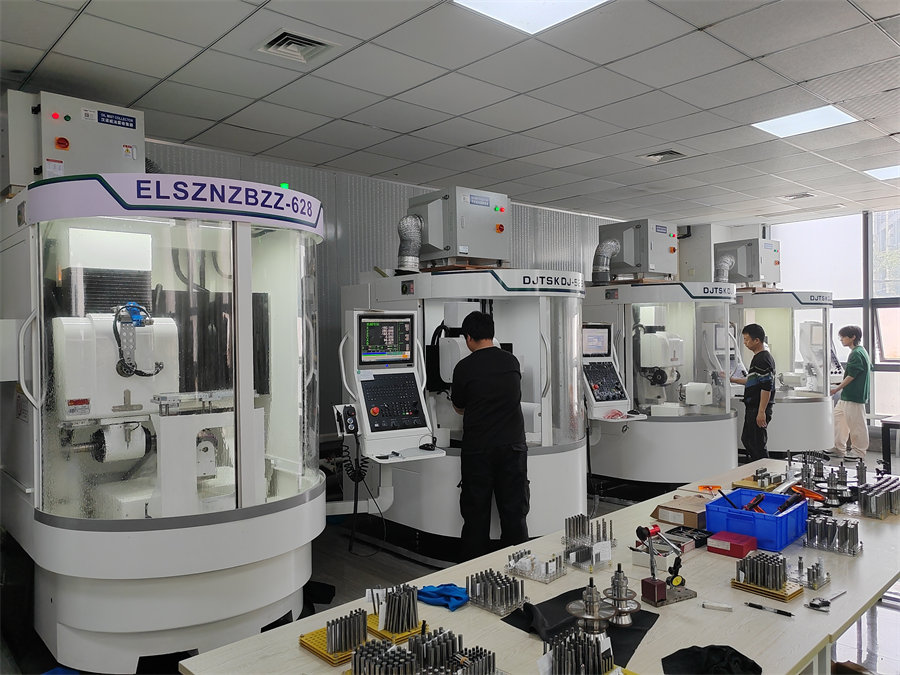
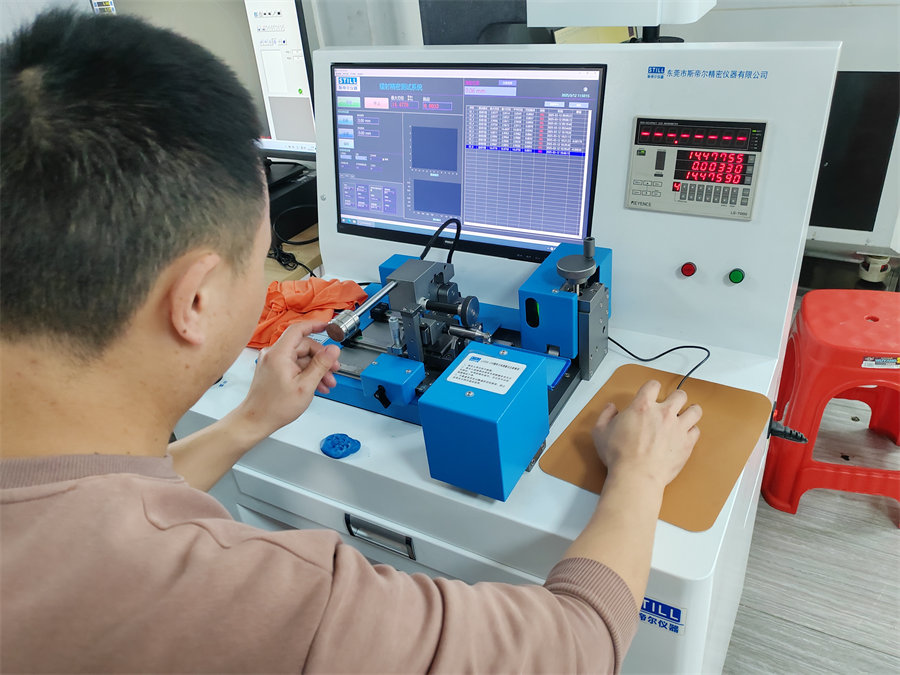
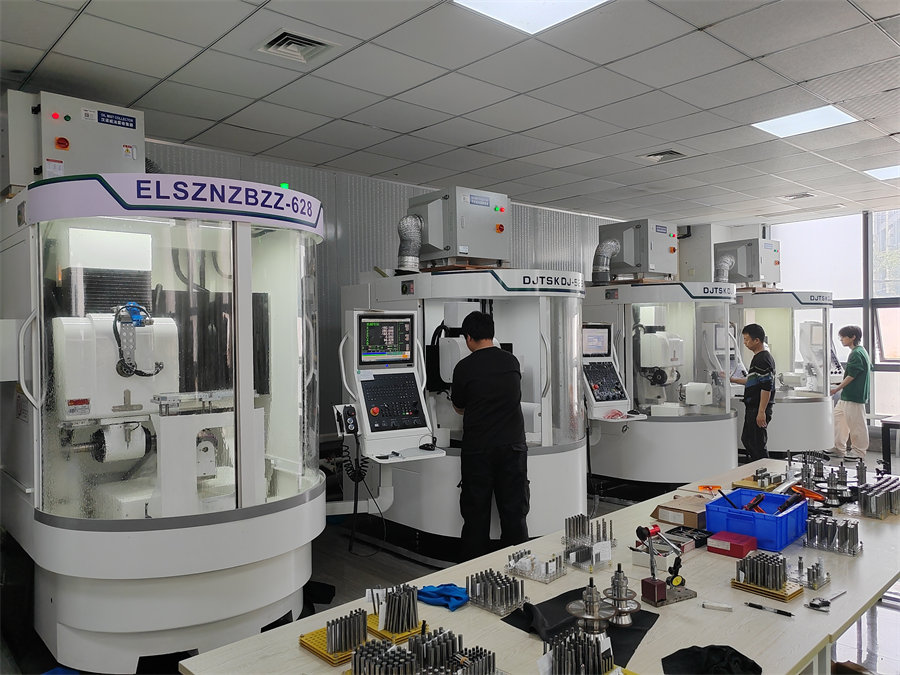
Suzhou Tier Tool leverages state-of-the-art multi-axis CNC grinding machines (including Swiss Rollomatic and Australian ANCA systems) combined with precise Zoller metrology inspection. By operating a digital manufacturing system, we can easily customize tooling designs and test them virtually before grinding the physical tools. This decreases prototyping cycles from weeks to days, allowing global procurers to acquire customized, high-precision tools at wholesale prices with unmatched lead times.
Moreover, being located in China's industrial heartland provides an unparalleled supply chain buffer. Raw micro-grain carbide substrates sourced directly from Zhuzhou (the world's leading tungsten carbide hub) ensure stable material supply lines and price predictability, shielding international buyers from geopolitical supply chain shocks. In-house processes from design, grinding, coating, and quality control guarantee complete traceability for every batch exported to North America, Europe, and Southeast Asia.
Precision tools cannot be sold as one-size-fits-all products. Different industrial sectors command distinct application characteristics. Below is an overview of how our customized solid carbide thread mills solve machining challenges across different industries:
Aerospace components frequently utilize materials that are notoriously difficult to cut, such as Inconel, Titanium, and high-strength stainless steels. Generating internal threads in these materials leads to rapid tool wear and high heat generation. Our nanometer AlTiN coated single-tooth and multi-tooth thread mills withstand these extreme thermal loads, ensuring thread accuracy and surface finishes that comply with AS9100 quality standards.
High-volume automotive components, like aluminum engine blocks and transmission cases, require exceptionally fast cycle times. Our ISO Carbide DLC Coated Thread Milling Cutters offer optimized chip-flute geometries, preventing aluminum adhesion (built-up edges) and allowing cutting speeds (SFM) up to three times faster than traditional steel taps. This translates to higher throughput and lower cost-per-part metrics.
Deep-hole threading in heavy machinery and oil exploration tools presents unique chip evacuation challenges. By utilizing custom solid carbide oil drill bits alongside single-tooth thread milling cutters, we enable high-pressure coolant passage directly to the cutting zone, flushing chips out immediately and preventing tool jamming or thread galling in deep cavities.
Mold blocks are typically machined in their hardened state (HRC 50-65) to prevent distortion after heat treatment. Our 65-Degree Tungsten Steel Thread Milling Cutters feature specialized cutting-edge geometries designed specifically to shear through hardened tool steels without chipping, maintaining perfect thread profiles in dies and mold cavities.
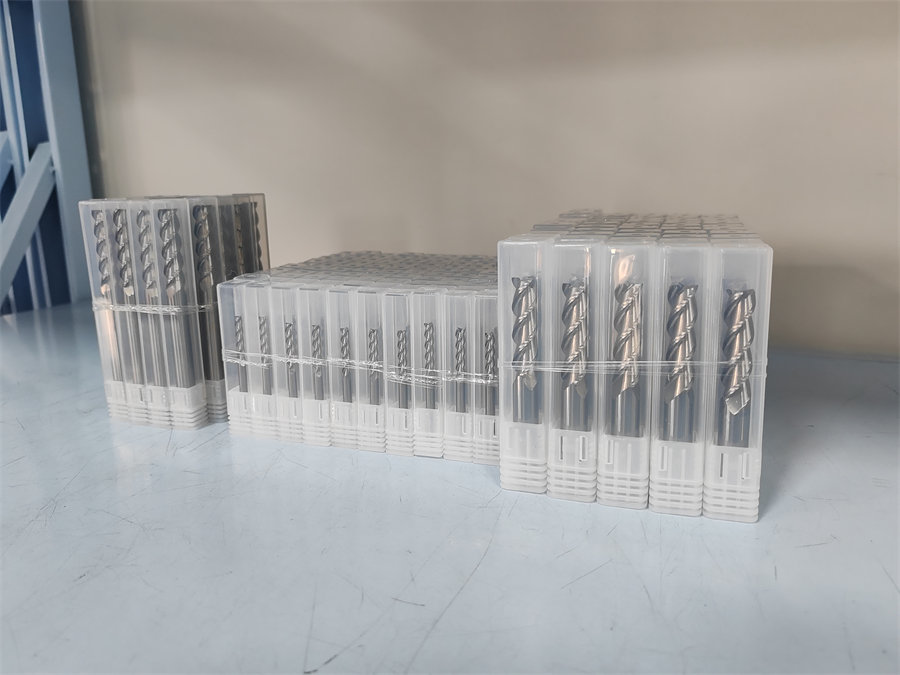
Established in 2008, Suzhou Tier Tool Co., Ltd. is a national high-tech enterprise specializing in the design, manufacturing, and technical support of precision solid carbide cutting tools. Since our foundation, Tier Tool has been deeply committed to the precision machining industry, focusing on delivering high-performance, high-efficiency cutting solutions for hole-making, thread-milling, and complex metalworking applications.
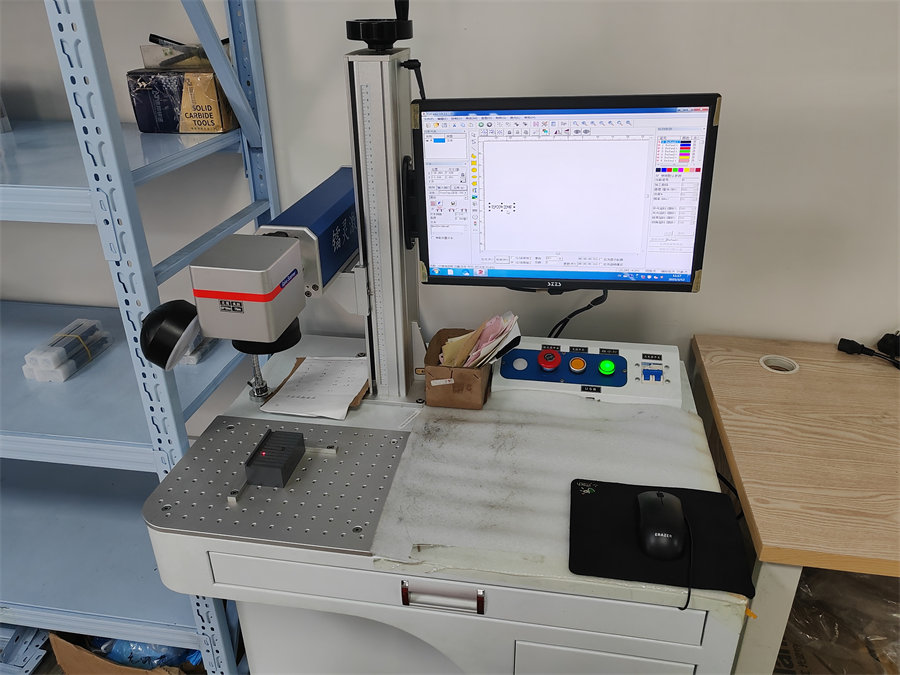
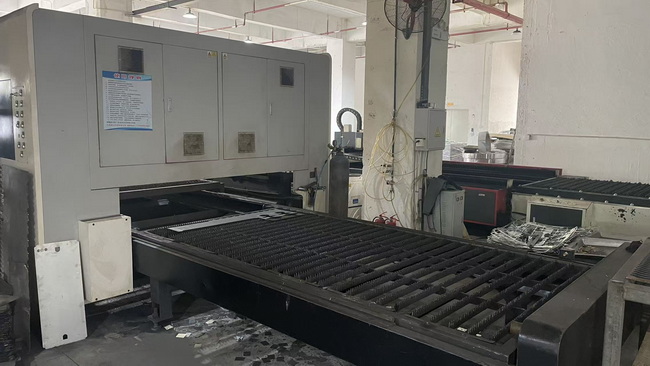
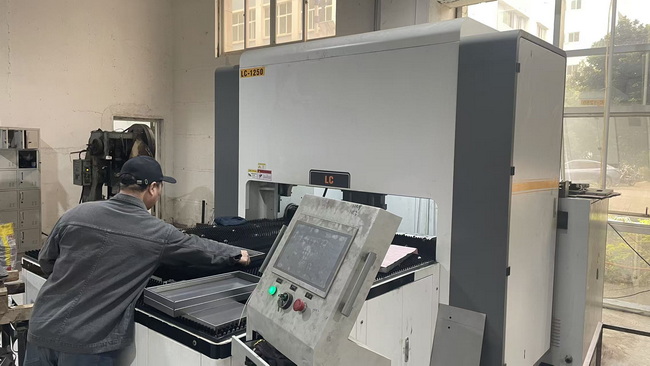
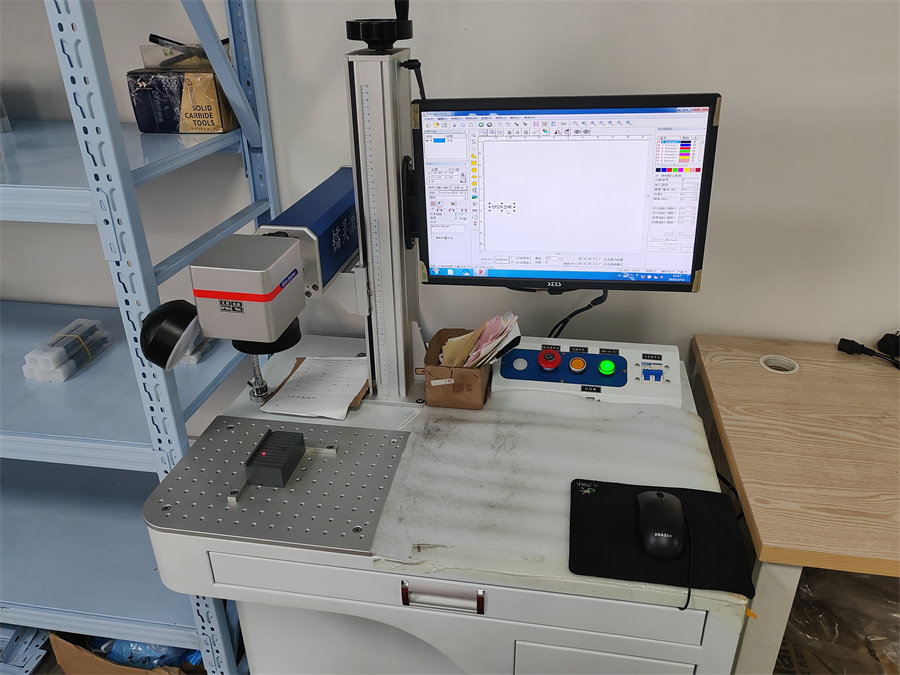
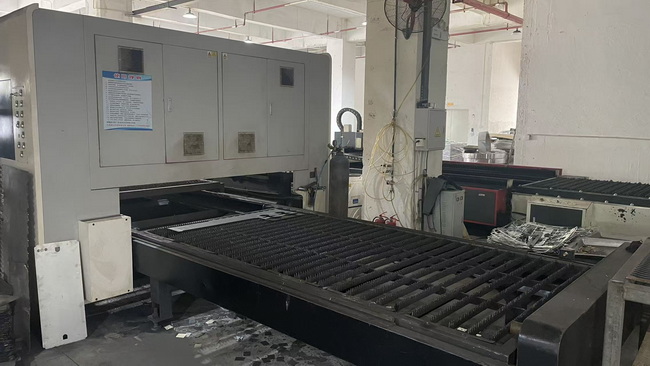
To ensure the highest levels of precision and consistency, Tier Tool has invested extensively in advanced manufacturing equipment and production technologies. The company operates multiple imported CNC tool grinding machines and precision inspection systems, enabling complete in-house capabilities from tool design and prototyping to small-batch testing and large-scale production. Our manufacturing process is built upon strict process control and traceability standards, ensuring repeatable quality and on-time delivery.
We adhere to the principle of "Quality First, Continuous Improvement". From raw material selection to final product verification, every tool undergoes comprehensive checks to ensure it meets strict dimensional, geometrical, and performance requirements. At Tier Tool, we believe that supplying cutting tools is only the beginning of our partnership. We provide comprehensive technical support and application engineering services to assist customers in optimizing their manufacturing processes and increasing their market competitiveness.


Get answers to critical technical questions regarding the selection, application, and optimization of thread milling cutters in industrial applications.
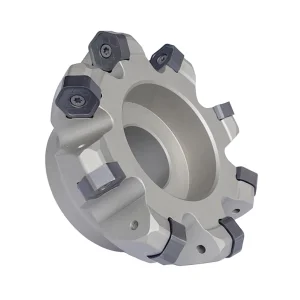
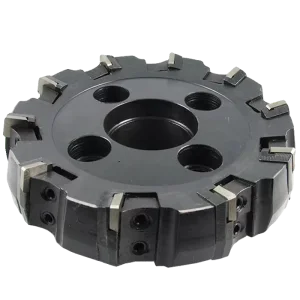
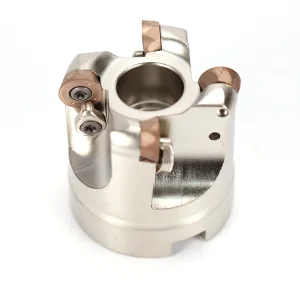
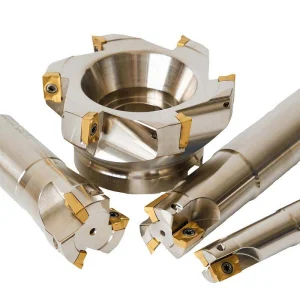
Explore our high-performance face mills, indexable shoulder cutters, custom thread mills, and BTA deep-hole drills designed for heavy industrial operations.
 Tier Tool