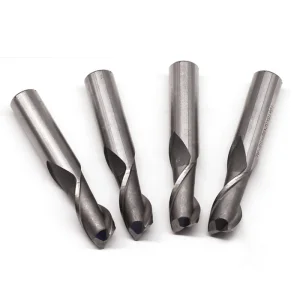
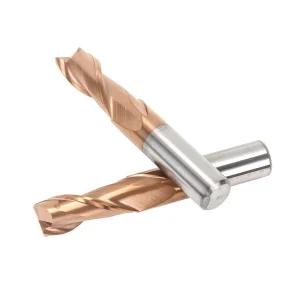
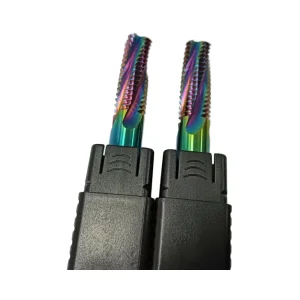
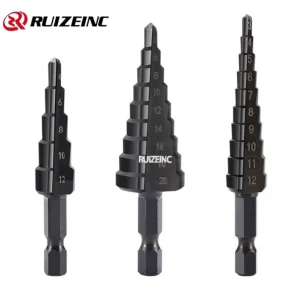
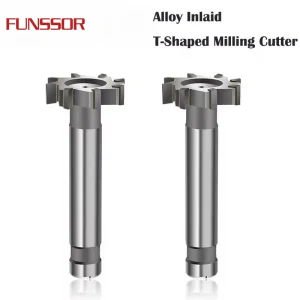
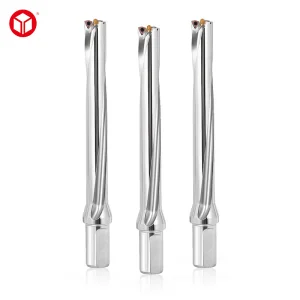
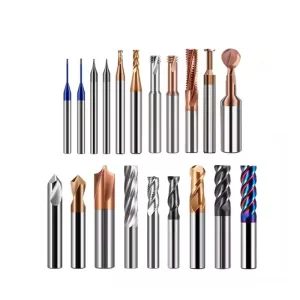
Established in 2008, Suzhou Tier Tool Co., Ltd. has grown from a specialized workshop into a recognized National High-Tech Enterprise. We are dedicated to the end-to-end design, manufacturing, and advanced technical support of premium solid carbide cutting tools. Over more than a decade and a half, Tier Tool has been embedded in the precision machining industry, consistently engineering high-efficiency cutting solutions designed for complex hole-making, milling, and demanding metalworking applications.
Our deep manufacturing competence is founded on a systematic approach to process control, quality assurance, and ongoing technological innovation. Located in Suzhou, the industrial heartland of high-precision manufacturing in China, we leverage strategic geographical benefits alongside top-tier talent to export high-performance tooling solutions globally, assisting partners across various sectors to minimize operational downtime, achieve optimal dimensional tolerance, and improve surface finish quality.
As mechanical assemblies encounter higher load pressures, structural designs require increasingly compact, secure fastening solutions. Counterboring—creating a flat-bottomed cylindrical enlargement of a hole—remains key to embedding socket head cap screws flush with component surfaces. The global tooling sector is undergoing a massive shift fueled by automation, lightweight materials, and high-velocity manufacturing systems.
Modern high-speed dry cutting demands superior heat-resistance. Coating technology has moved from basic TiN or TiAlN to advanced nano-structured and composite coatings like AlTiN-Silicon Nitride (AlTiN-Si3N4) and Diamond-Like Carbon (DLC). These coatings act as thermal barriers, preserving cutting-edge sharpness at temperatures exceeding 900°C.
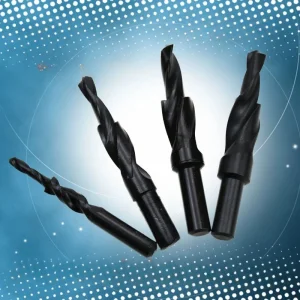
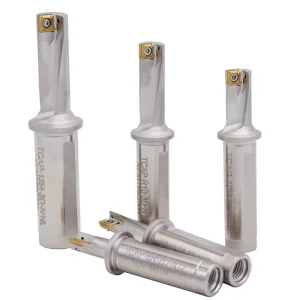
To reduce cycle times on CNC stations, manufacturers favor multi-stage tools. Combined tools, such as the two-stage step drill and countersunk screw step drills, allow drilling, counterboring, and chamfering in a single pass. This minimizes tool changing steps, improves concentricity, and maximizes machine throughput.
Standard tungsten carbide is being replaced by sub-micron and ultra-fine grain substrates. These alloys provide a superior balance of hardness and fracture toughness. This balance is crucial for resisting edge chipping when machining difficult materials like titanium, Inconel, and high-silicon aluminum.
Procuring custom counterboring tooling requires a deep understanding of machine-tool dynamics and work material characteristics. Global supply chains expect more than a catalog supplier; they need a partner capable of tailoring geometries to specific manufacturing conditions. When evaluating an OEM partner, key technical considerations include:
| Workpiece Material | Recommended Substrate Grain Size | Recommended Coating Type | Optimal Flute Design |
|---|---|---|---|
| High-Silicon Aluminum Alloys | Sub-micron (0.5 - 0.8µm) | DLC (Diamond-Like Carbon) | Polished flutes, high helix angle (35° - 45°) |
| Austenitic Stainless Steel (304/316) | Ultra-fine (0.2 - 0.5µm) | AlTiN / TiAlCrN (High Thermal Barrier) | Robust core diameter, unequal index spacing |
| Gray & Ductile Cast Iron | Medium-fine (0.8 - 1.2µm) | AlTiN Coated or Uncoated Grade | Heavy-duty edge hone, low helix angle (15° - 25°) |
| Titanium & Nickel-Based Alloys | Sub-micron (0.4 - 0.6µm) | TiAlN Nano-composite | Variable helix, reinforced radial land width |
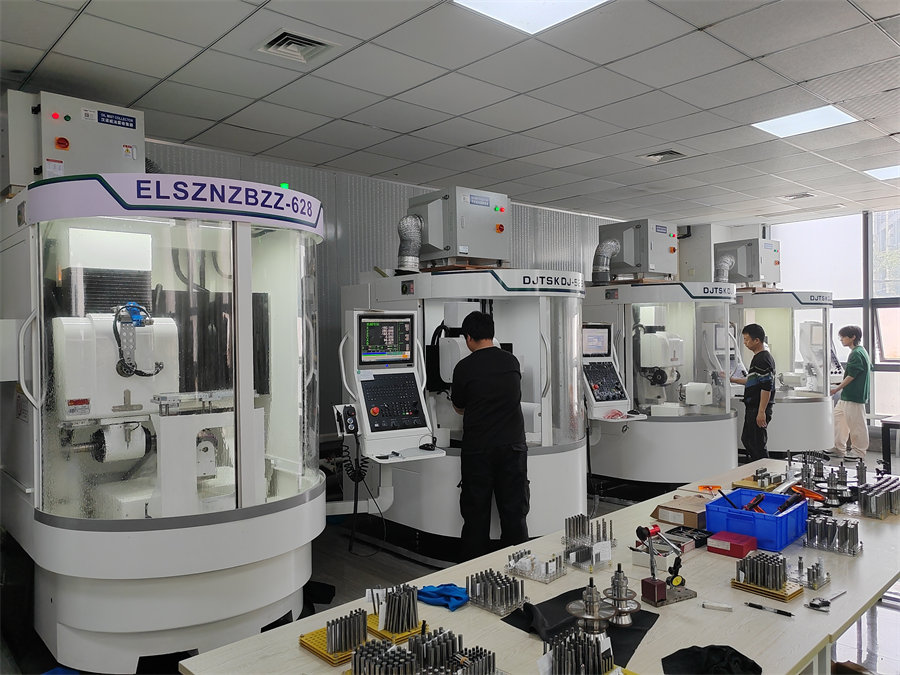
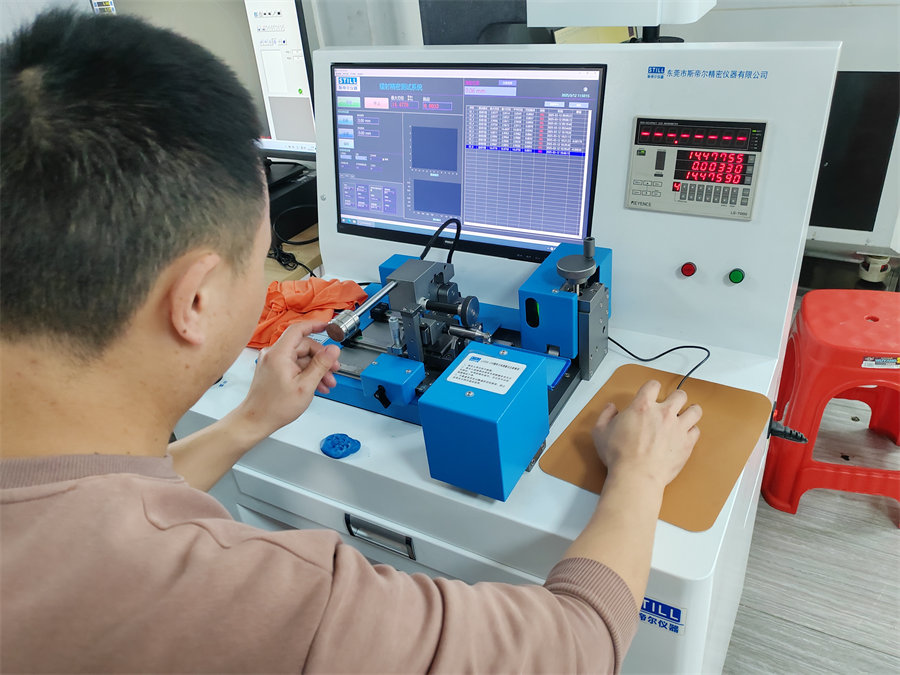
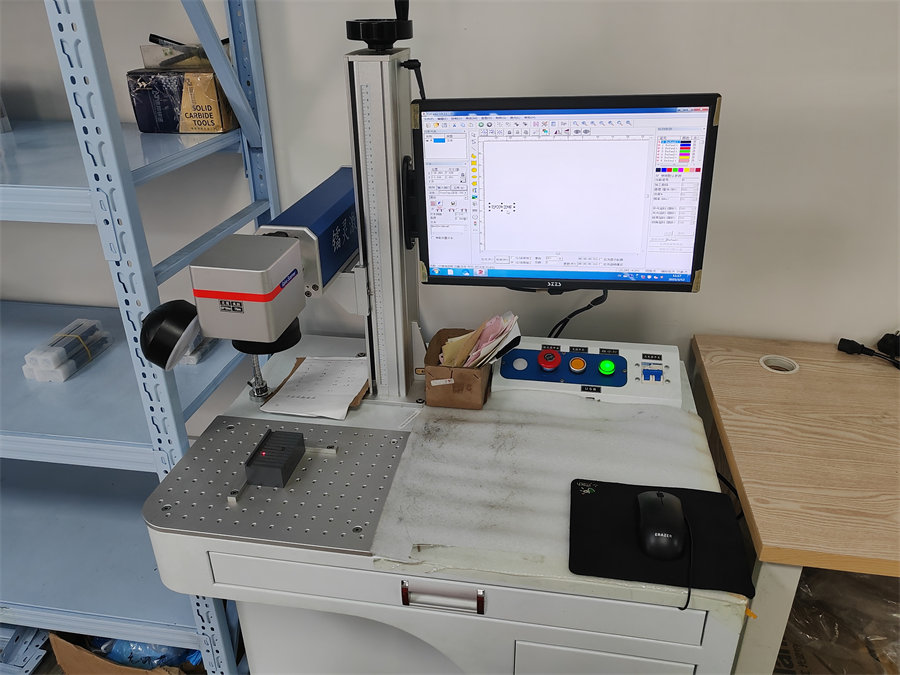
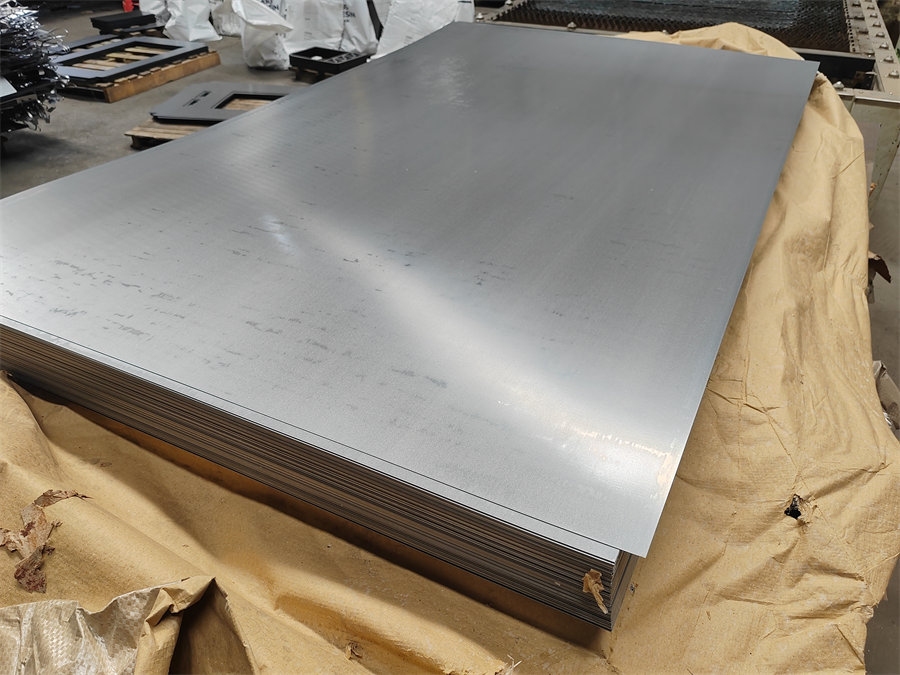
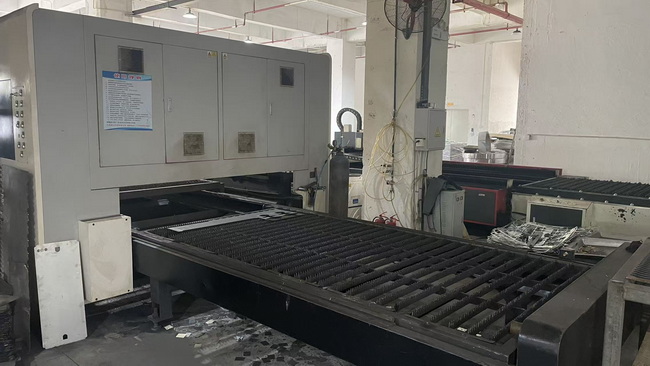
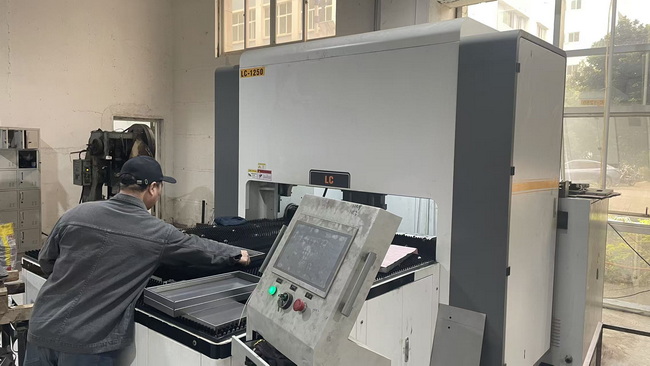
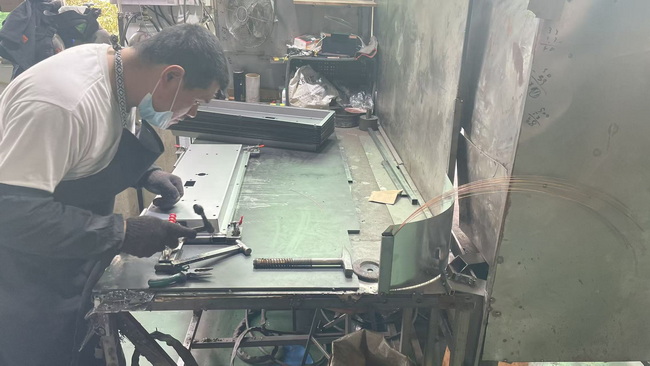
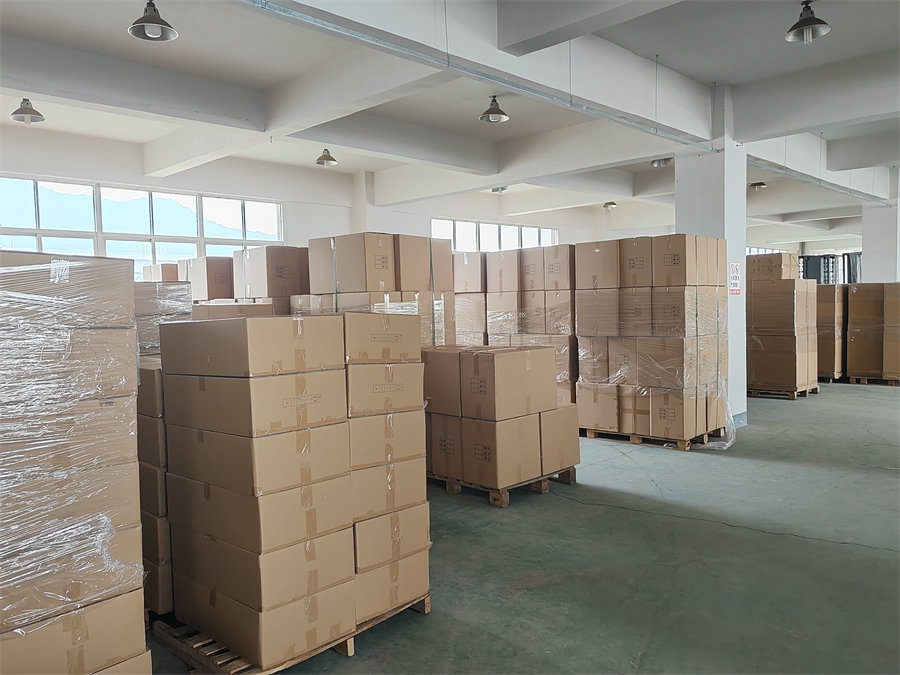
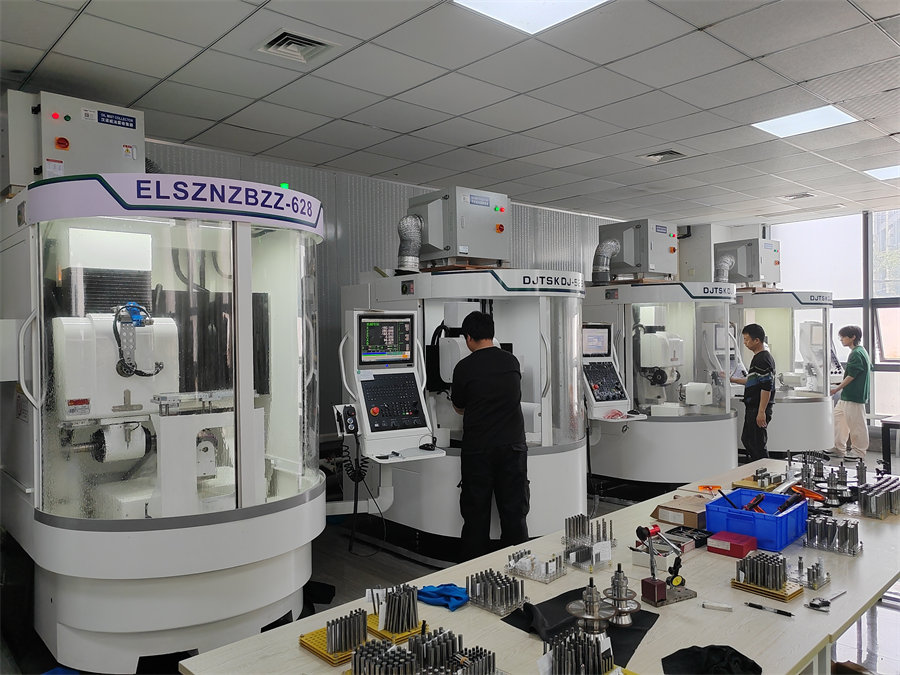
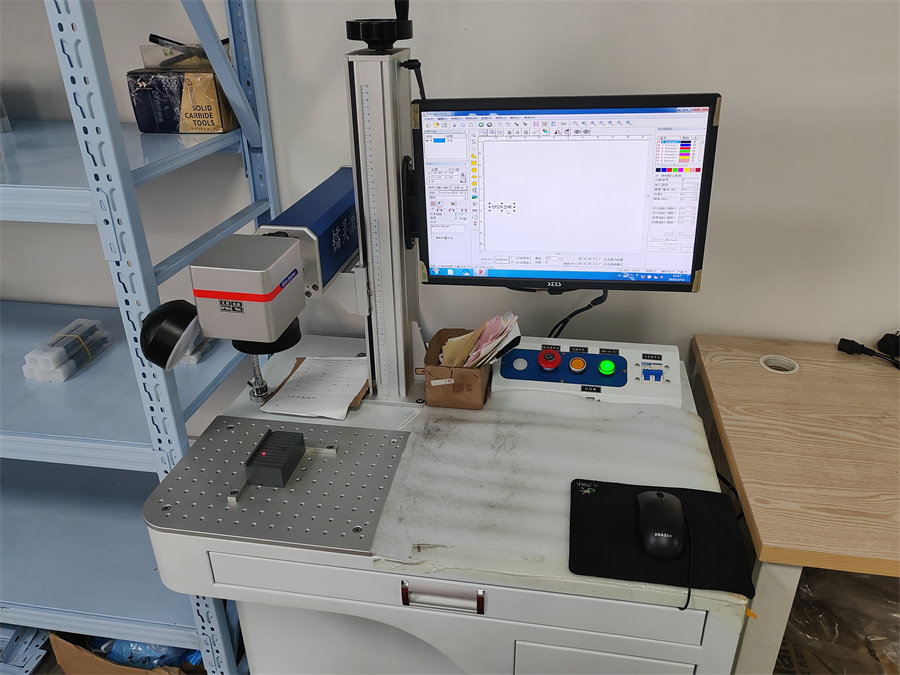
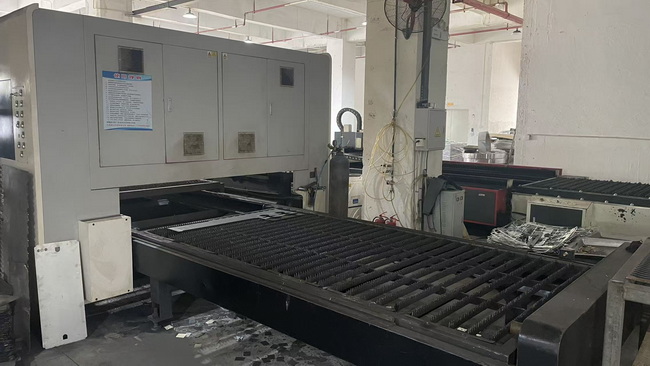
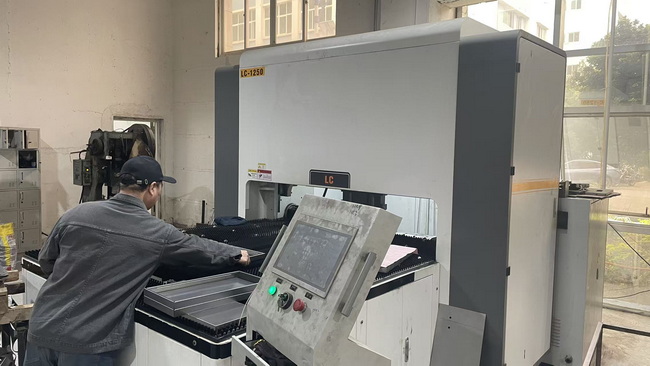
To ensure high precision and consistency, Suzhou Tier Tool Co., Ltd. has invested in advanced manufacturing equipment and precision inspection technologies. The company operates multiple imported CNC tool grinding machines and optical inspection systems, supporting full in-house capabilities from initial tool design and prototyping to small-batch testing and large-scale manufacturing.
Our production flow is built upon strict process control and traceability standards. Every manufacturing phase is carefully monitored to guarantee repeatable quality and timely delivery. Through systematic process management and standardized operations, Tier Tool maintains a robust manufacturing system designed to satisfy the strict demands of precision machining.
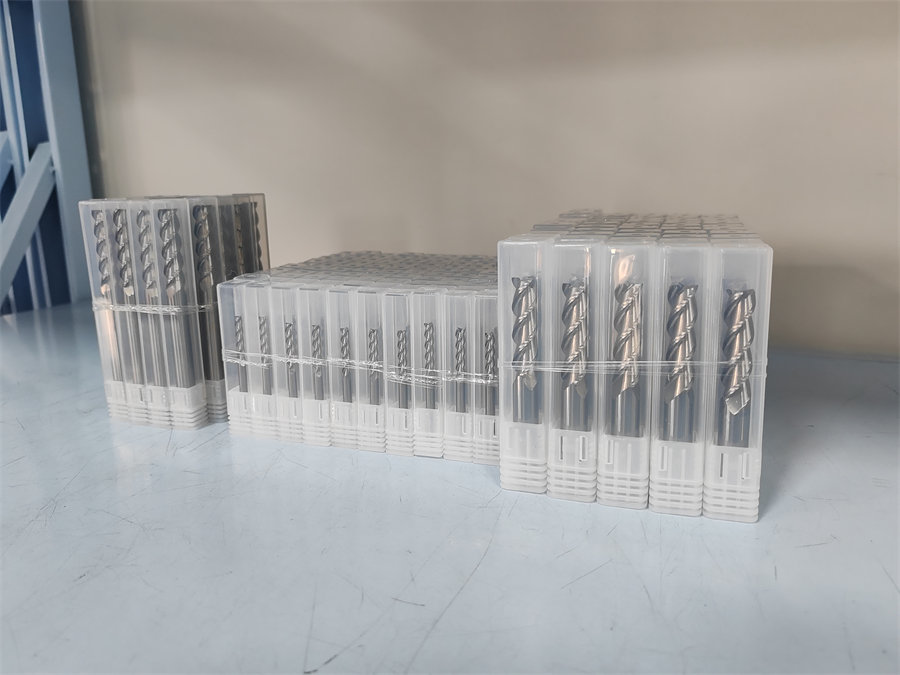
Precision solid carbide tools are not isolated components—they are integrated into complex manufacturing workflows. At Suzhou Tier Tool, we develop tailored tool geometries that resolve material-specific machining challenges across key global sectors:
High-volume manufacturing of internal combustion engine blocks, transmissions, and electric vehicle battery casings requires reliable tool life. Our multi-stage carbide step drills cut and chamfer multi-diameter ports in one action, minimizing tool changes and keeping cycle times within strict parameters.
Machining carbon fiber reinforced polymers (CFRP) stacked with aerospace-grade aluminum or titanium poses a risk of delamination and galvanic corrosion. Tier Tool offers customized geometries with specialized rake and clearance profiles, preventing delamination and ensuring smooth, clean hole transitions.
Ejector pin holes, cooling channels, and core inserts demand precise dimensional tolerances and high surface finishes. Our solid carbide flat-bottom counterboring tools provide smooth cutting action, even on inclined surfaces or hardened tool steels up to HRC65.
Quality is the cornerstone of Tier Tool's market success. We follow the principle of "Quality First, Continuous Improvement", applying strict control measures throughout the production cycle. From selecting raw materials to the final inspection, each tool undergoes dimensional, geometrical, and performance assessments to ensure compliance with targeted tolerances.
In addition to manufacturing, we offer technical support and application engineering services. Our technical specialists collaborate with customer teams to analyze machining conditions, recommend tooling strategies, and optimize machining parameters to control costs. By understanding our customers' production needs, we focus on establishing long-term technical partnerships.
To support global supply chains, our tools conform to international quality certifications. We provide trace data for every batch of raw carbide material, detailing cobalt content, grain size distribution, and transverse rupture strength. This documentation helps aerospace and medical manufacturers maintain compliance with regulatory audits.
Looking ahead, Suzhou Tier Tool Co., Ltd. will continue to focus on developing high-performance solid carbide cutting tools and deep-hole drilling systems. Driven by innovation, we are investing in research and development to align with emerging industrial practices:
Our goal is to remain a reliable global partner in precision cutting, helping manufacturers achieve higher productivity and maintain process reliability in a changing market.
Counterboring creates a flat-bottomed enlargement of a pre-existing hole, typically used for socket head cap screws. It requires a pilot section (either fixed or replaceable) to maintain concentricity. Countersinking produces a conical enlargement, designed for flat-head screws, with standard profile angles of 82°, 90°, or 120°. Tool designs differ; counterboring tools feature flat face cutting edges with axial relief, while countersinking tools rely on conical cutting surfaces.
Calculating parameters for multi-stage drills requires calculating cutting speed based on the largest diameter step of the tool, to prevent overheating the outer edges. Conversely, feed rates are calculated based on the pilot diameter to avoid overloading the smaller core section. Our technical team uses advanced software to simulate cutting forces and optimize parameters for each application.
Radial run-out causes uneven chip load distribution among the cutting flutes, leading to faster tool wear, chip packing, and out-of-tolerance holes. For precise counterboring, we maintain run-out tolerances within 0.002mm at the spindle interface. This consistency ensures balanced cutting action and predictable tool life.
DLC coatings are recommended for non-ferrous metals, particularly aluminum, copper, and carbon fiber composites. DLC offers low friction and resists built-up edge (BUE) formation. However, DLC coatings degrade above 400°C when machining ferrous metals, where TiAlN or AlTiN coatings are better suited due to their thermal stability.
To design a custom tool, we require the workpiece material grade, hardness, pilot hole diameter, counterbore diameter, depth, shank style (e.g., straight, Weldon, Whistle Notch), through-coolant requirements, and spindle interface details. Our engineering department can also design tools based on your component drawings.
 Tier Tool