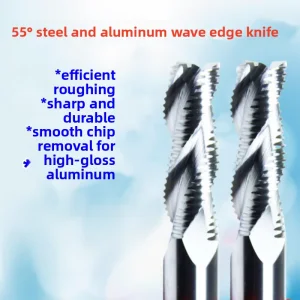
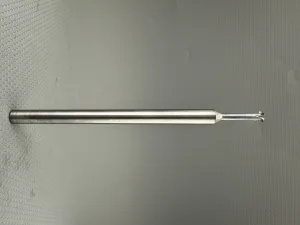
OEM/ODM Routing Tools Factory & Supplier

Precision Solid Carbide Solutions for Advanced Global Manufacturing. Suzhou Tier Tool Co., Ltd. delivers high-performance industrial cutting, milling, and drilling tools.

Industrial Whitepaper: The Evolution of Solid Carbide Routing Technology

An in-depth analysis of metallurgical advancements, coating innovations, and global demand dynamics in high-speed subtractive manufacturing.

2008
Established Year
0.002mm
Precision Tolerance
HRC65
Maximum Machining Hardness
50+
Global Export Markets

1. Executive Overview: Suzhou Tier Tool Co., Ltd.

Established in 2008, Suzhou Tier Tool Co., Ltd. is a national high-tech enterprise dedicated to the design, engineering, and manufacturing of precision solid carbide cutting and routing tools. Over nearly two decades of intensive development, Tier Tool has solidified its reputation as an authority in high-performance metalworking, micro-hole drilling, and thread profile milling. Our facility implements integrated production systems, allowing us to manage the entire tool lifecycle—from custom CAD design and finite element simulation to high-precision CNC grinding, physical vapor deposition (PVD) coating, and automated optical inspections.

By focusing on substrate metallurgy and cutting edge microroughness, Tier Tool produces routing and drilling configurations that satisfy the strict requirements of modern aerospace, automotive, die & mold, and 3C electronics manufacturing. As a dedicated OEM/ODM partner, we customize tools to specific mechanical properties and spindle speeds, ensuring that every tool delivered minimizes cost-per-part while maximizing dimensional repeatability.

2. Global Commercial & Industrial Landscape of Routing Tools

The global market for industrial routing and cutting tools is undergoing a profound transformation. As downstream sectors like electric vehicle (EV) manufacturing, lightweight aerospace structuring, and miniature medical instrumentation evolve, standard tools no longer suffice. Advanced manufacturing systems demand custom-tailored geometries that can handle high-silicon aluminum, nickel-based superalloys, titanium alloys, and reinforced carbon fiber composites (CFRP).

In North America and Europe, the push toward near-net-shape manufacturing and High-Speed Machining (HSM) has heightened the need for tool suppliers capable of rapid prototyping and offering complete process control. Meanwhile, industrial hubs in the Asia-Pacific region are focusing on automation-driven mass production, demanding exceptional tool consistency to minimize downtime. This dual pressure has made OEM/ODM partnerships critical. Factories no longer buy catalog tools; they co-engineer customized tooling configurations that match specific CNC setups, cutting fluids, and feed rates.

Advanced Production Facility & Quality Systems

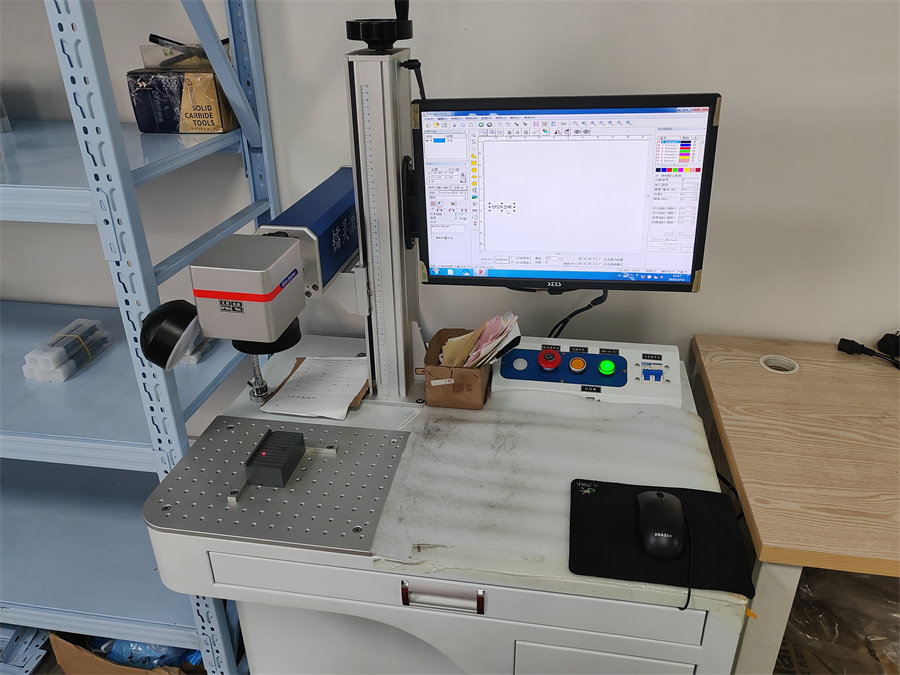
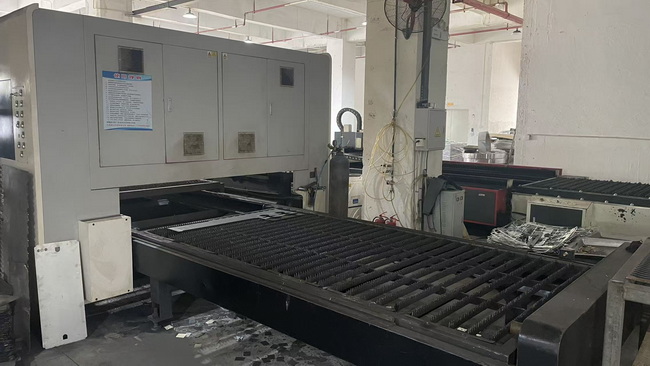
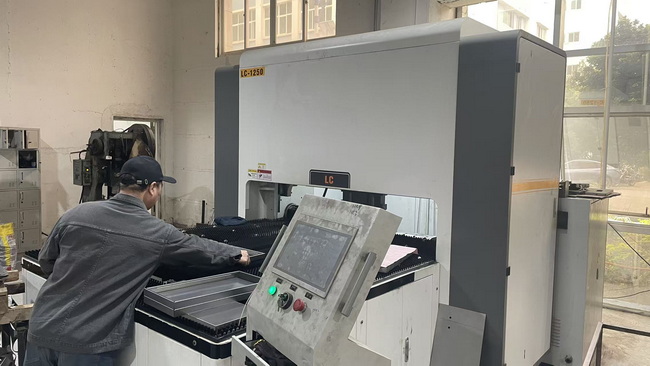
Inside Suzhou Tier Tool: A look at our high-precision machining, multi-axis grinding, bending, welding, and laser marking lines.
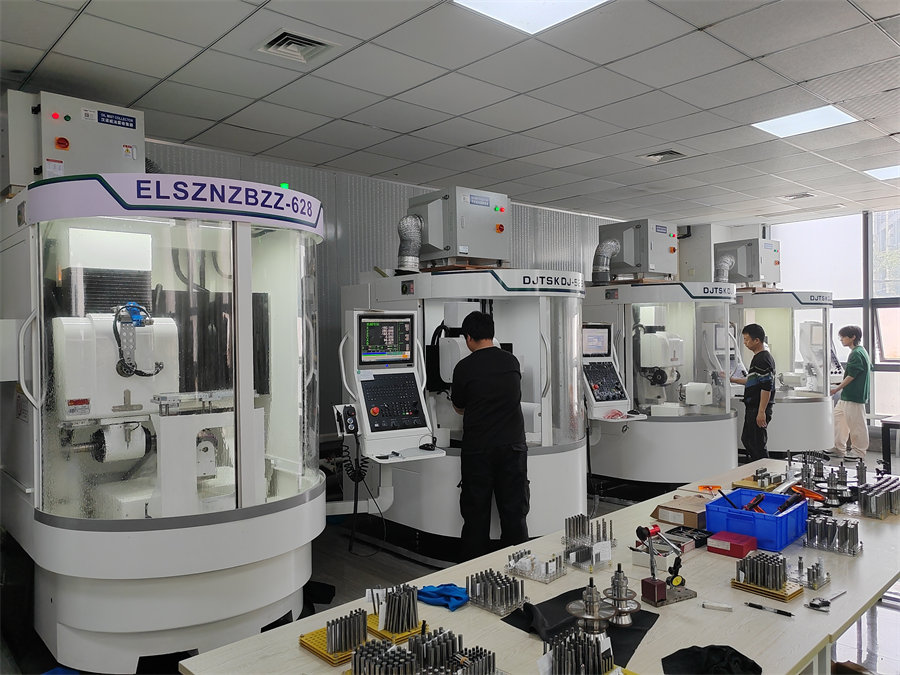
Precision Machining Process
Machining
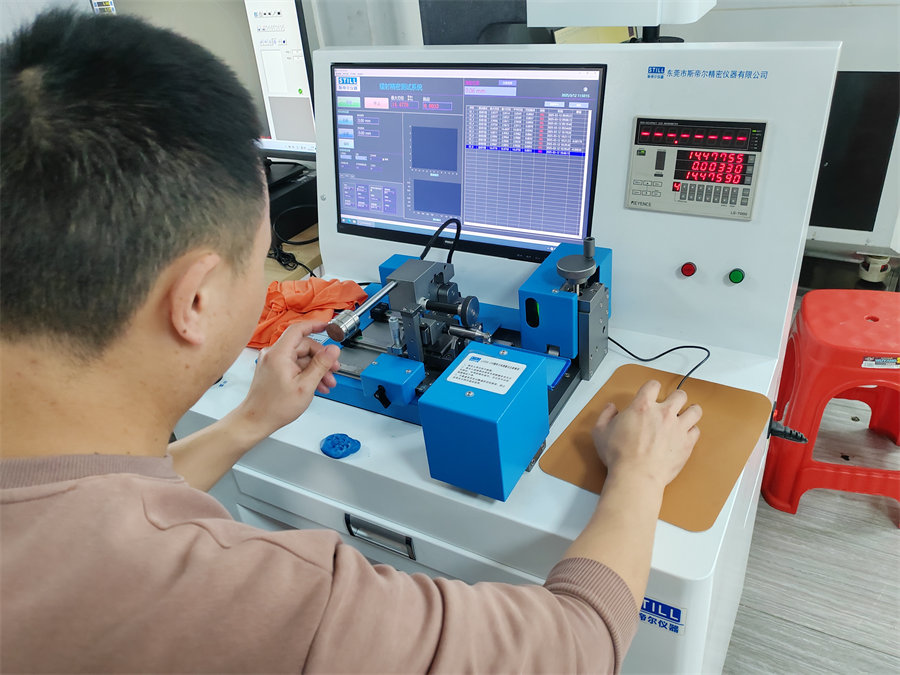
Advanced Quality Inspection
Inspecting
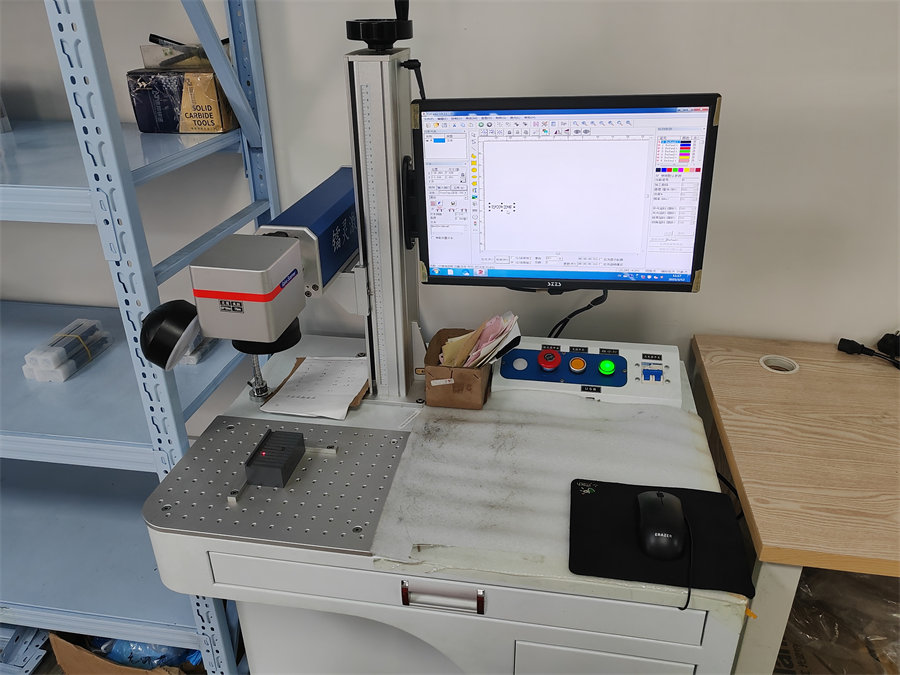
Automated Logo Marking
Logo Marking
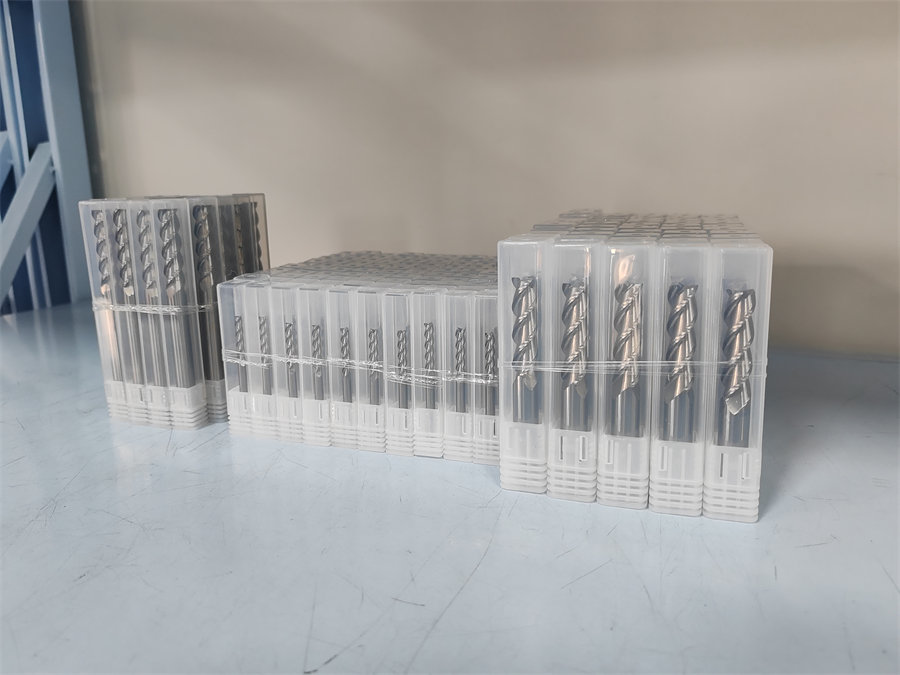
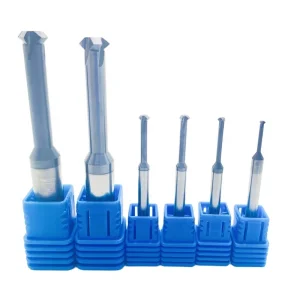
Packaged Carbides Tooling
Packaged Products
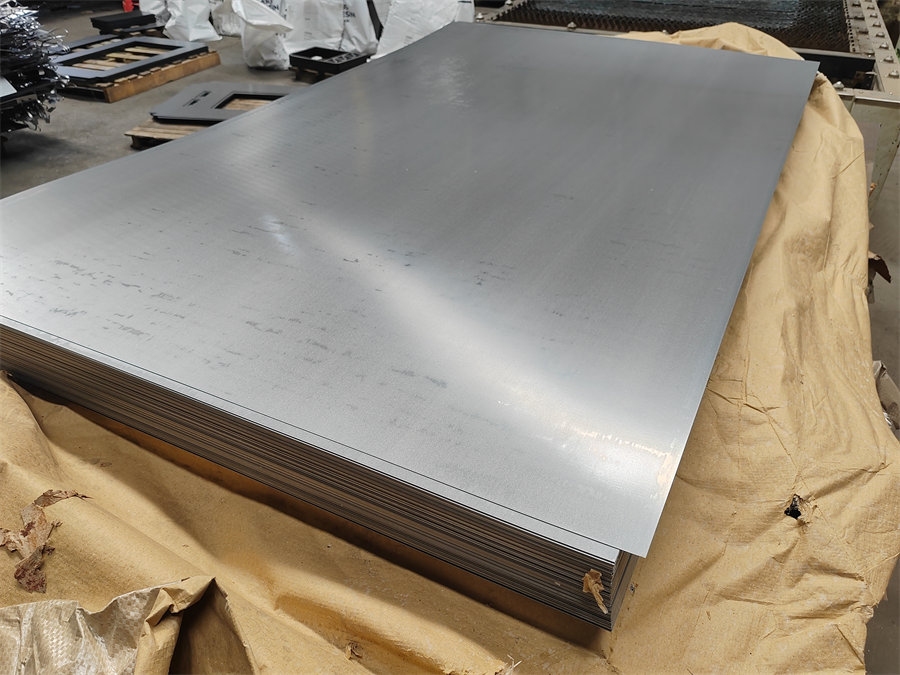
Raw Steel and Alloy Sheets
Steel Sheets
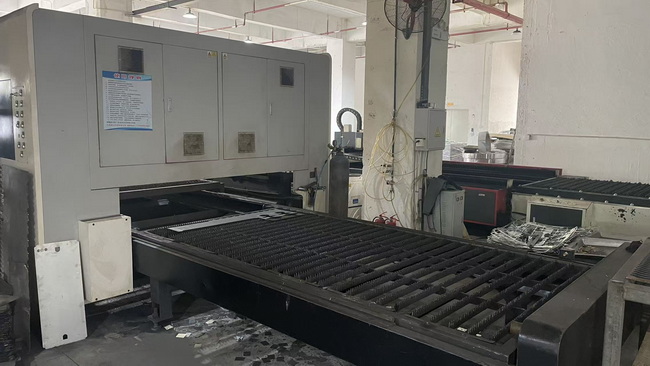
Laser Cutting Machine
Laser Cutting
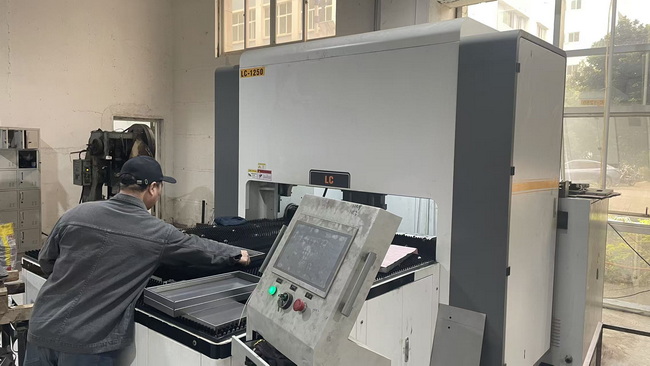
Bending Process
Bending
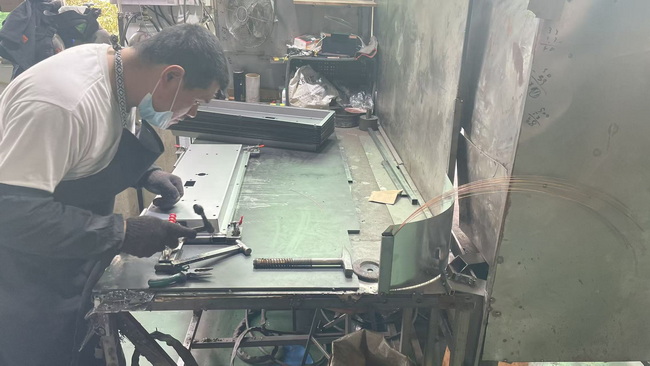
Welding Process
Welding
Finished Products Packing
Packaged Products 2
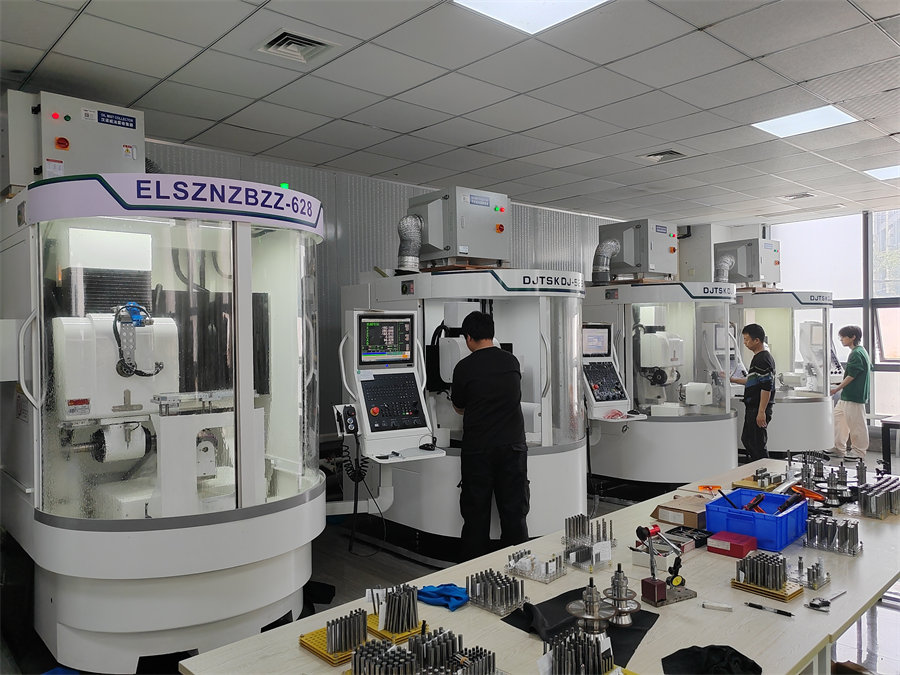
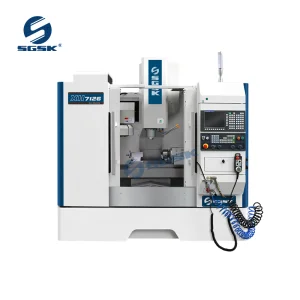
Machining Center Equipment
Machining Machine
Logo Laser Marking Machine
Logo Marking Machine
Industrial Laser Cutter Unit
Laser Cutting Machine
Automatic Bending Center
Bending Machine

3. Industrial Trends: The Rise of Smart Micro-Grain Tungsten Carbide

The material backbone of high-performance tooling has shifted toward ultra-fine and micro-grain tungsten carbide (WC-Co). Submicron substrates with grain sizes below 0.5 microns provide a unique combination of high hardness (for wear resistance) and toughness (for fracture resistance). This is critical for tools like single-point thread mills and gun drills, where cutting edges are subject to extreme cyclical mechanical loads.

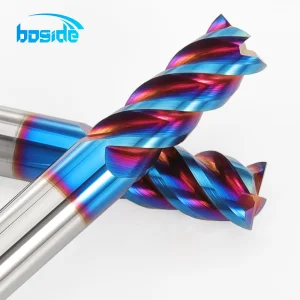
Alongside substrate improvements, tool coating technology has advanced significantly. Silicon-doped nano-composite coatings like TiAlN and AlTiN form a protective aluminum-oxide layer under high temperatures. This barrier blocks heat transfer to the carbide core, allowing dry machining and high-speed cutting. By optimizing coating thickness and adhesion, modern tools can operate at speeds exceeding 10,000 RPM, maintaining dimensional stability and surface finishes below Ra 0.4.

Variable Helix Geometries

Unequal index spacing and varying helix configurations disrupt harmonics, significantly reducing vibration during deep slotting and roughing operations.

Advanced PVD Coating

We use magnetron sputtering to apply uniform coatings (AlTiN, TiAlN, DLC) with low coefficient of friction and high oxidation thresholds (up to 1100°C).

Sub-Micron Substrates

Using premium 0.4μm grain size carbide rods with 10%-12% Cobalt concentration ensures balanced mechanical toughness and edge wear resistance.

4. Localized Application Scenarios

Industrial cutting and routing tools operate in diverse local manufacturing environments. Our custom OEM/ODM solutions are optimized for these specific operational dynamics:

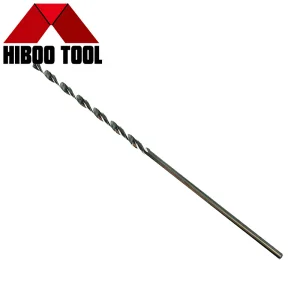
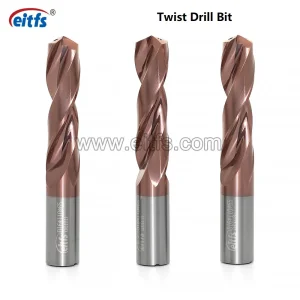
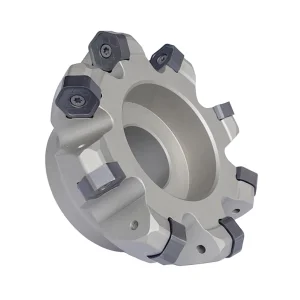
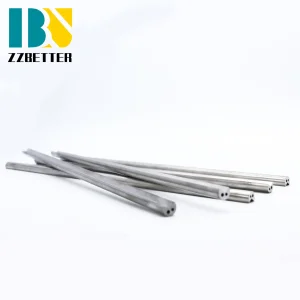
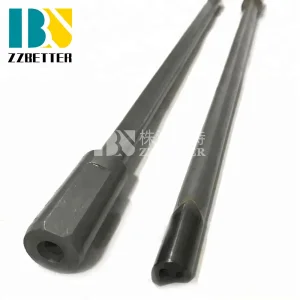
  • Automotive Powertrains (Die-Cast Aluminum & Cast Iron): High-volume engine block manufacturing relies on custom BTA deep hole drill bits and indexable face mills. The focus here is on tool life and chip evacuation, preventing chip nesting that can scratch workpiece surfaces.
  • Aerospace Component Machining (Titanium & Nickel Superalloys): Structural aircraft parts require machining tough metals that generate high heat. Solid carbide roughing end mills with wave-edge profiles reduce heat buildup by breaking chips into smaller, manageable fragments.
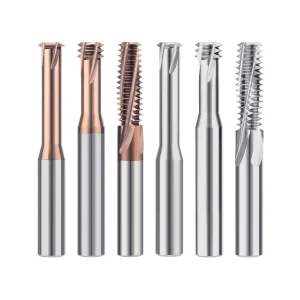
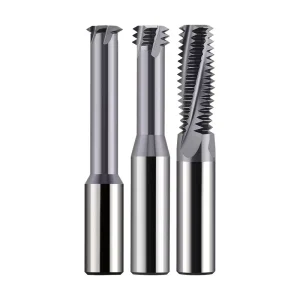
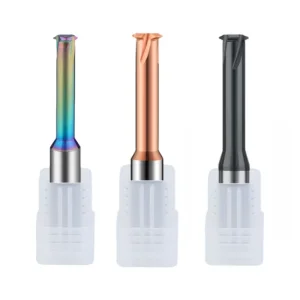
  • Medical Equipment and Implants (Cobalt-Chrome & 316L Stainless Steel): Bone screws and joint replacements require highly precise micro-threads. Our single-tooth and full-profile solid carbide thread mills cut burr-free profiles to prevent tissue irritation.
  • High-End Plastic and Wood Component Routing: For high-speed routing in construction, furniture, and plastic panels, our double-flute and spiral down-cut routing tools leave clean edges without delamination.

5. Technical Roadmap & Future Outlook

Tier Tool's development roadmap focuses on the integration of manufacturing technology with material science:

  • AI-Assisted Micro-Geometry Optimization: By feeding tool wear data into finite element models, we optimize rake angles, relief clearances, and core diameters for specific workpiece materials, extending tool life by up to 30%.
  • Sustainable Machining Tools: As companies transition to dry machining or Minimum Quantity Lubrication (MQL), we design tools with specialized internal coolant channels (oil-hole configurations) to deliver coolant directly to the cutting zone.
  • Ultra-Hard Hybrid Coatings: We are testing Diamond-Like Carbon (DLC) and CVD diamond coatings for non-ferrous and composite machining, achieving hardness levels approaching 80 GPa for challenging composite routing applications.

Expert Q&A: Industrial Solid Carbide Routing

Technical guidance and engineering insights from Suzhou Tier Tool's application engineering team.

What are the key advantages of thread milling compared to traditional tapping?
Thread milling provides significant advantages over traditional tapping:
1. Reduced Risk of Tool Breakage: If a tap breaks, it remains lodged in the hole, often ruining the workpiece. If a thread mill breaks, its diameter is smaller than the hole, making extraction easy.
2. Adjustable Thread Tolerance: A single thread mill can adjust pitch diameter via CNC offsets to achieve precise H-class tolerances.
3. Versatility: A single tool can machine different diameters of the same pitch, cutting down on tool inventory requirements.
Why is micro-grain carbide superior to standard tungsten carbide for high-precision routing?
Micro-grain carbide substrates (grain size < 0.6 μm) feature a finer distribution of tungsten carbide grains within the cobalt matrix. This increases both hardness (HV30) and Transverse Rupture Strength (TRS). The finer structure supports a sharper, more stable cutting edge, which reduces micro-chipping and maintains dimensional stability during high-speed machining.
What parameters dictate the selection between AlTiN and TiAlN coatings?
Selecting the right coating depends on your target material and cutting speeds:
- TiAlN (Titanium Aluminum Nitride): Features high surface hardness and is ideal for steel, stainless steel, and iron under standard machining conditions.
- AlTiN (Aluminum Titanium Nitride): Contains higher aluminum content, raising its oxidation temperature limit (up to 900°C). This makes AlTiN ideal for high-speed machining, dry cutting, and machining hard alloys above HRC55, where thermal stress is elevated.
How does Suzhou Tier Tool handle custom OEM/ODM requests?
Our OEM/ODM workflow is structured for precision and speed:
1. Technical Consulting: We review the customer's CAD models, target materials, cutting parameters, and production goals.
2. Tool Design: Our engineers use specialized software to design custom tool geometries and choose appropriate carbide grades.
3. Prototyping & Simulation: We simulate tool engagement to eliminate geometry flaws before grinding.
4. Precision Manufacturing: Custom tools are ground on advanced 5-axis CNC grinding centers and coated in-house.
5. Quality Verification: Every batch undergoes full dimensional inspections on Zoller non-contact measurement systems.