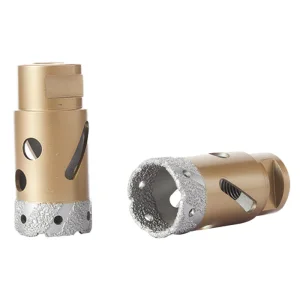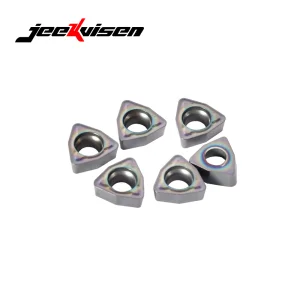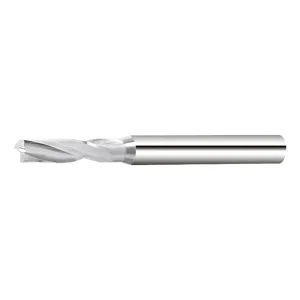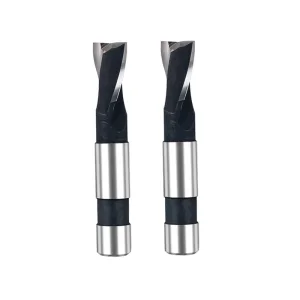
Top Trusted Screw Machine Tools Manufacturer & Factory

Precision Engineering, Micro-Geometry Innovation & High-Performance Solid Carbide Systems

Redefining Precision: The Advanced Paradigm of Screw Machine Tooling

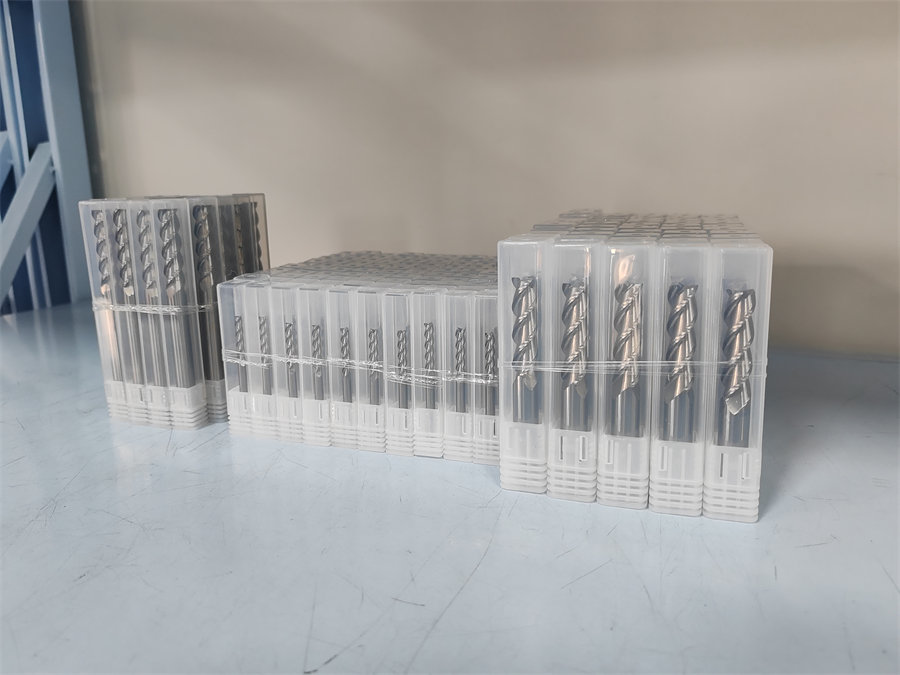
In the modern industrial manufacturing ecosystem, the efficiency of mass production is directly correlated with the performance metrics of cutting tools. As a premier screw machine tools manufacturer, Suzhou Tier Tool Co., Ltd. leads the engineering of advanced solid carbide solutions that meet the challenges of Industry 4.0. Screw machines—whether classic multi-spindle cams or modern CNC Swiss-turn centers—demand tools that maintain geometric integrity over hundreds of thousands of cycles.

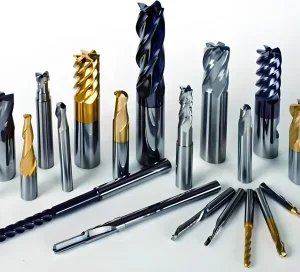
To address these strict manufacturing tolerances, our solid carbide tools are manufactured from premium submicron tungsten carbide substrates, combined with advanced coatings (such as TiAlN, TiN, and specialized Diamond layers). This maximizes tool life, reduces thermal deformation, and guarantees outstanding dimensional repeatability.

Information Gain Insight: Micro-Geometry Optimization

Our tooling design incorporates variable helix angles and unequal index flutes to suppress harmonic vibrations in high-speed Swiss-turn environments. This design reduces tool wear and produces a superior surface finish (Ra < 0.4μm) on difficult-to-machine alloys.
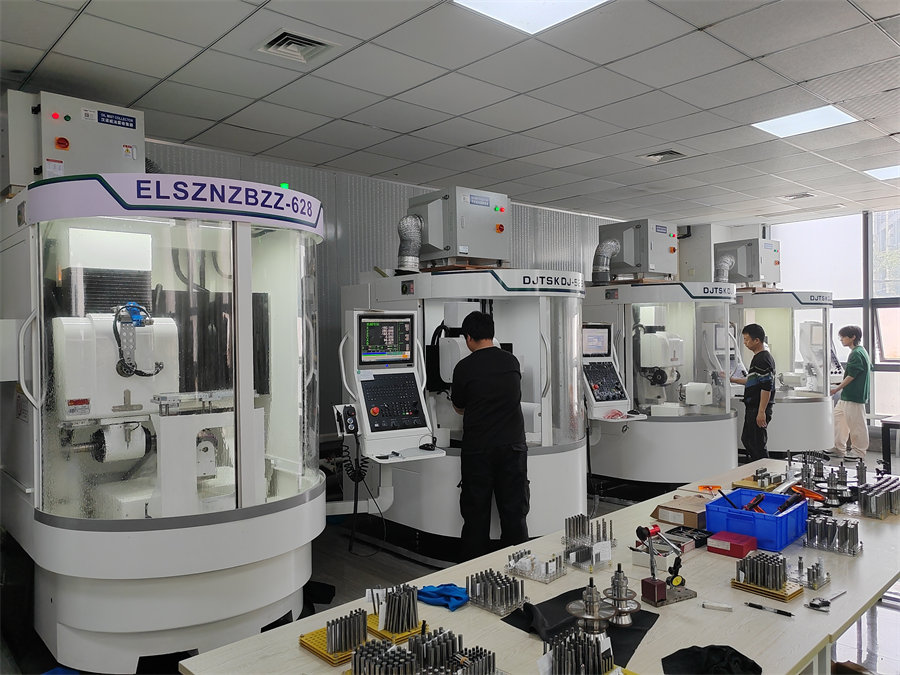
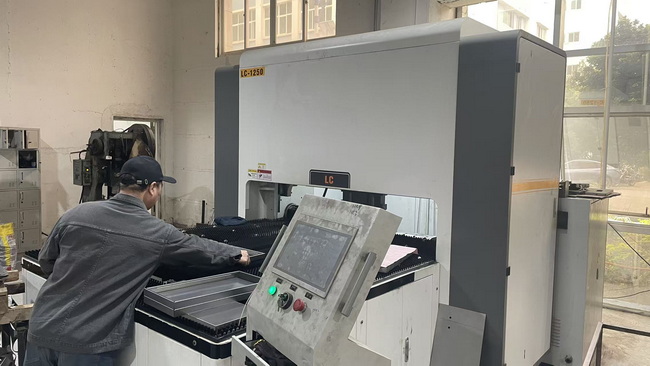
Precision Machining at Tier Tool Factory
2008
Established Year
HRC 65
Max Cutting Hardness
100%
German Zoller Inspection
0.002mm
Runout Accuracy Limit

Global Trends in Screw Machine Tooling & Swiss-Type Turning

The global demand for micro-components in the medical, aerospace, and automotive sectors has accelerated the transition from conventional machining to Swiss-type lathe manufacturing. Consequently, this shift has transformed requirements for screw machine tools:

Advanced Micro-Geometries

Chip breaking is critical in unattended Swiss turning. Specialized ground geometries are designed to break long, stringy chips into tight curls, preventing tool damage and surface marking.

Dry & High-Pressure Coolant

Eco-friendly manufacturing trends demand dry cutting or MQL (Minimum Quantity Lubrication). Our high-hardness coatings are optimized to withstand high thermal loads.

Submicron Tungsten Carbide

By using submicron and ultra-fine grain substrates with high cobalt content, we achieve high toughness and wear resistance, preventing edge chipping under interrupted cuts.

Global Procurement Strategies: What Purchasing Departments Prioritize

Industrial purchasing managers evaluate tooling vendors based on total cost per part, rather than just the unit price. A cheap tool that causes frequent machine downtime for replacement increases overall costs. At Tier Tool, we optimize this equation for international procurement teams:

  • Consistently High Lifetime Yield: Stable tool life is essential for unattended night shifts. Our multi-spindle automatic screw machine tools are engineered to deliver consistent performance from the first part to the last.
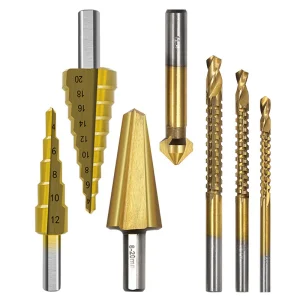
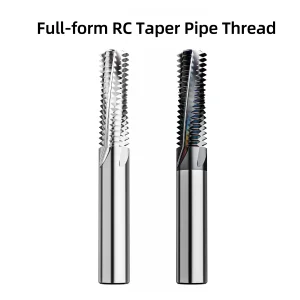
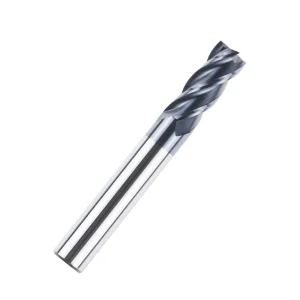
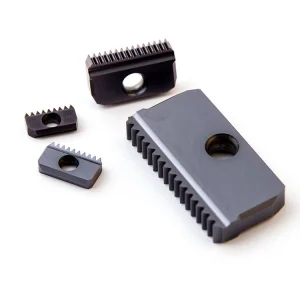
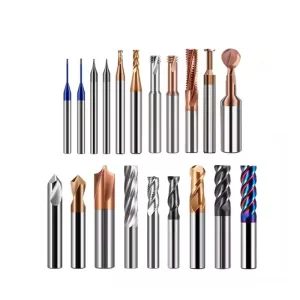
  • Shorter Lead Times: With extensive stock of standard end mills, step drills, and thread mills, we ensure your production lines stay up and running.
  • Comprehensive Traceability: Our ISO 9001-certified processes document raw material batches, grinding parameters, and coating thicknesses for every tool batch.

China Industry 4.0: Supply Chain Resilience & Production Efficiency

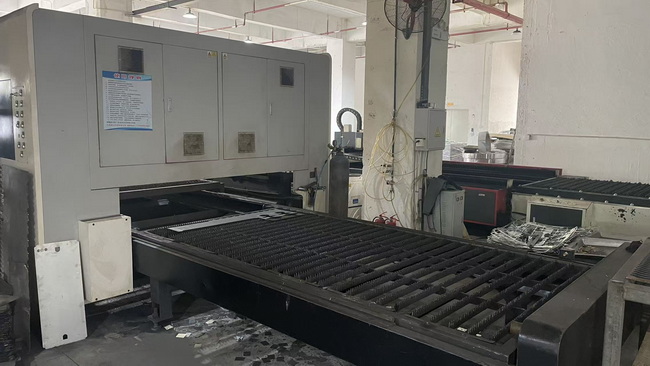
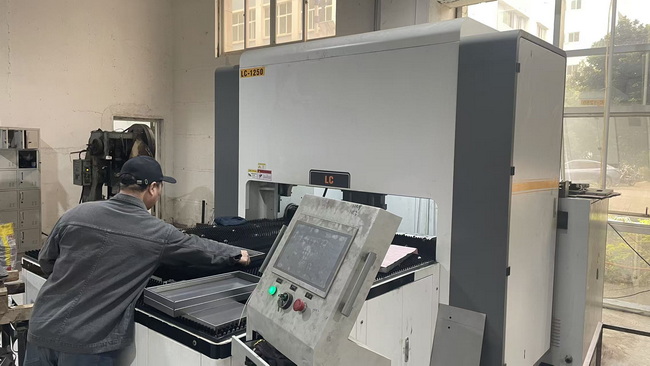
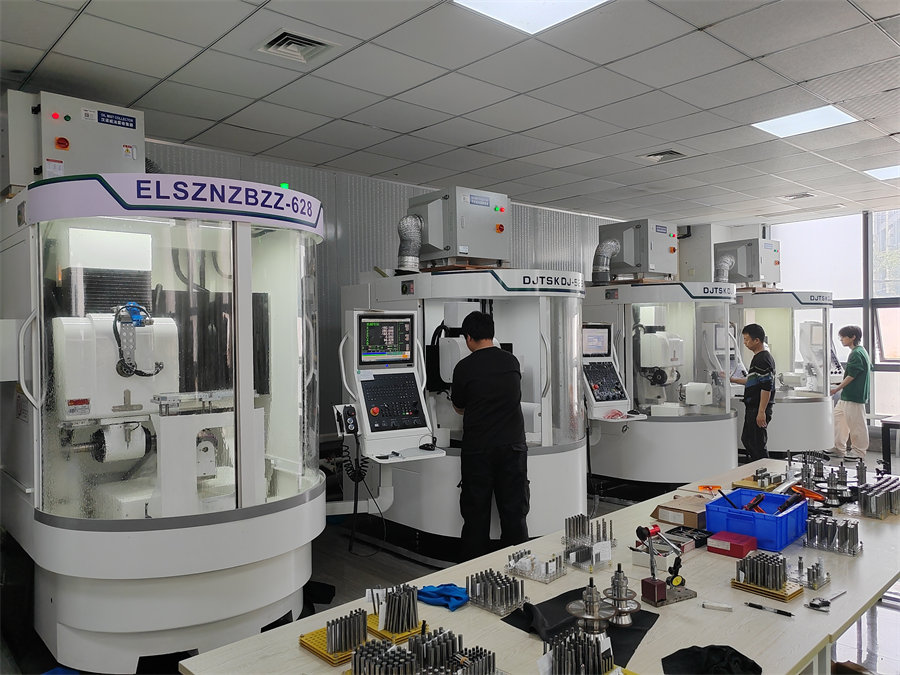
Suzhou Tier Tool represents the next generation of Chinese high-tech manufacturing. Based in Suzhou’s advanced industrial zone, we utilize a highly responsive localized supply chain for raw materials, heat treatment, and surface coating. Our factory is equipped with automated tool grinding centers and high-precision inspection equipment, allowing us to rapidly scale production. This ensures stable supply security and cost benefits for global buyers navigating challenging economic environments.

Localized Application Scenarios

Our solid carbide tooling systems are optimized for specific industrial challenges worldwide:

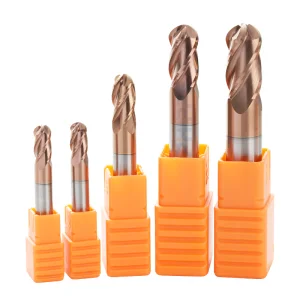
  • Aerospace Manufacturing: Machining titanium alloys, Inconel, and composite materials requires tools that can withstand high temperatures. Our TiAlN-coated carbide end mills feature optimized flute geometries to minimize work hardening.
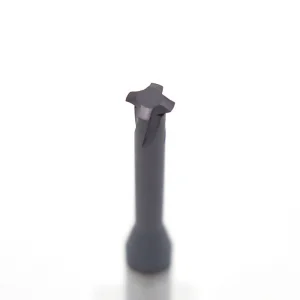
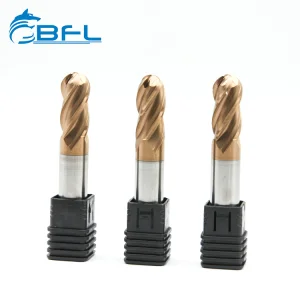
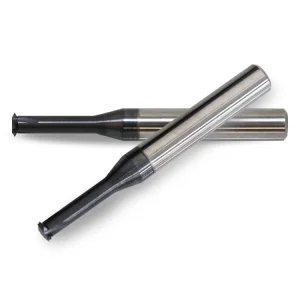
  • Medical Component Micro-Machining: Producing bone screws and dental implants from 316L Stainless Steel and Titanium demands extremely sharp cutting edges and precise tolerances. Our miniature thread mills and ball nose cutters deliver the necessary precision.
  • Automotive Parts Production: For high-volume automotive parts, including fuel injector nozzles and transmission shafts, our custom-designed step drills and multi-flute end mills help reduce cycle times.

Advanced Manufacturing and Process Inspection Capabilities

Suzhou Tier Tool Co., Ltd. was established in 2008 and is a national high-tech enterprise specializing in the design, manufacturing, and technical support of precision solid carbide cutting tools. Since our foundation, we have focused on delivering high-performance, high-efficiency cutting solutions for hole-making and metalworking applications.

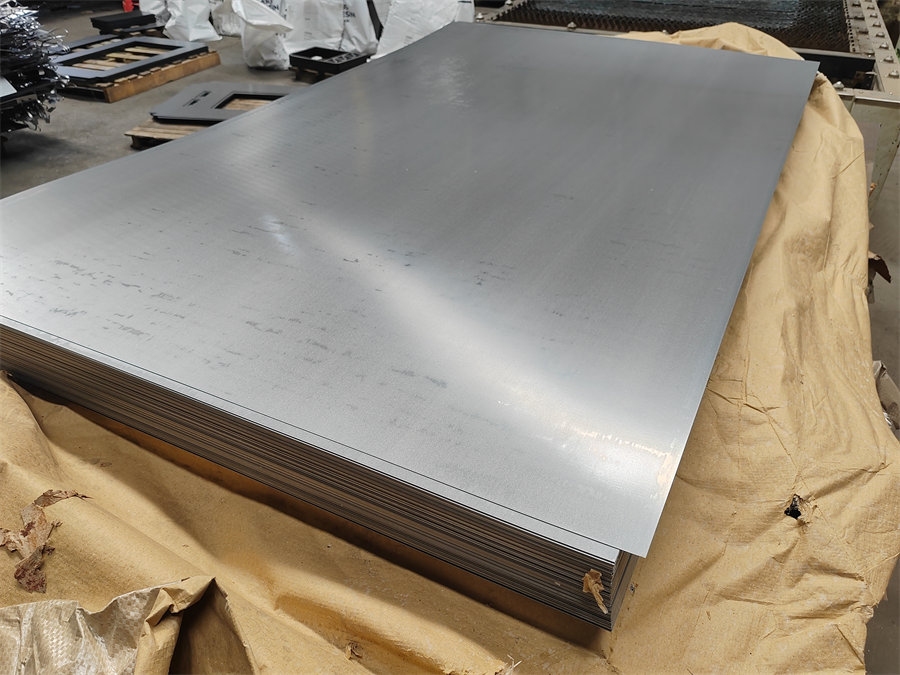
To ensure high precision and consistency, Tier Tool has invested extensively in advanced manufacturing equipment and production technologies. Operating multiple imported CNC tool grinding machines and precision inspection systems, we handle all stages of production in-house: from initial tool design and prototyping to small-batch testing and large-scale manufacturing.

Our Quality Assurance Promise: "Quality First, Continuous Improvement"

From raw material selection and incoming inspection to final product verification, every tool undergoes comprehensive quality checks to ensure it meets strict dimensional, geometrical, and performance requirements. We understand that in precision manufacturing, stable quality is key to maintaining our customers' productivity and competitiveness.

Additionally, our technical support and application engineering services help customers optimize their machining processes. Our technical specialists work directly with your engineering team to analyze machining conditions, recommend suitable tooling strategies, and develop solutions that maximize efficiency and cost-effectiveness.
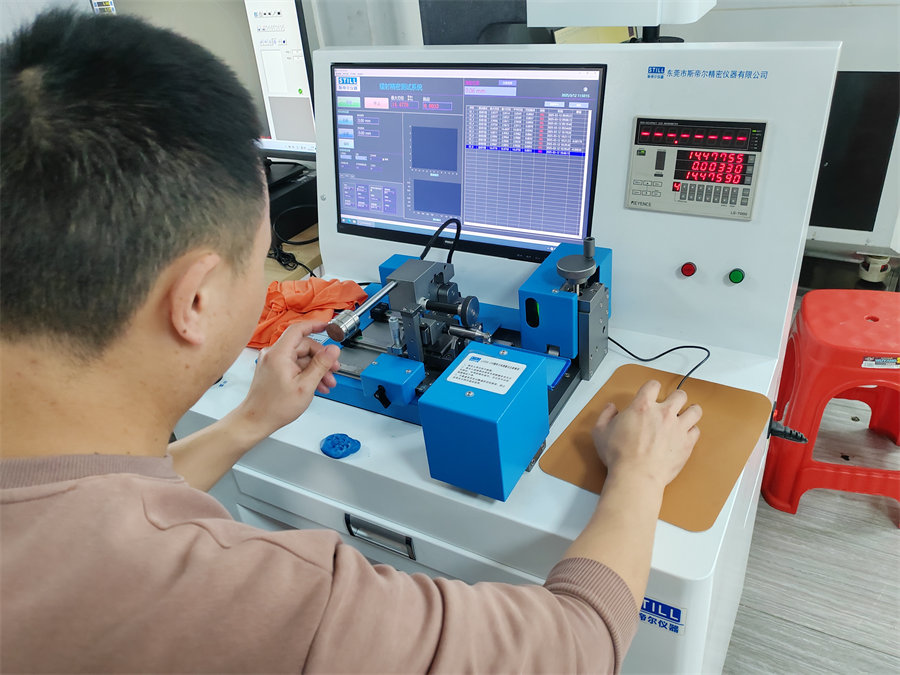
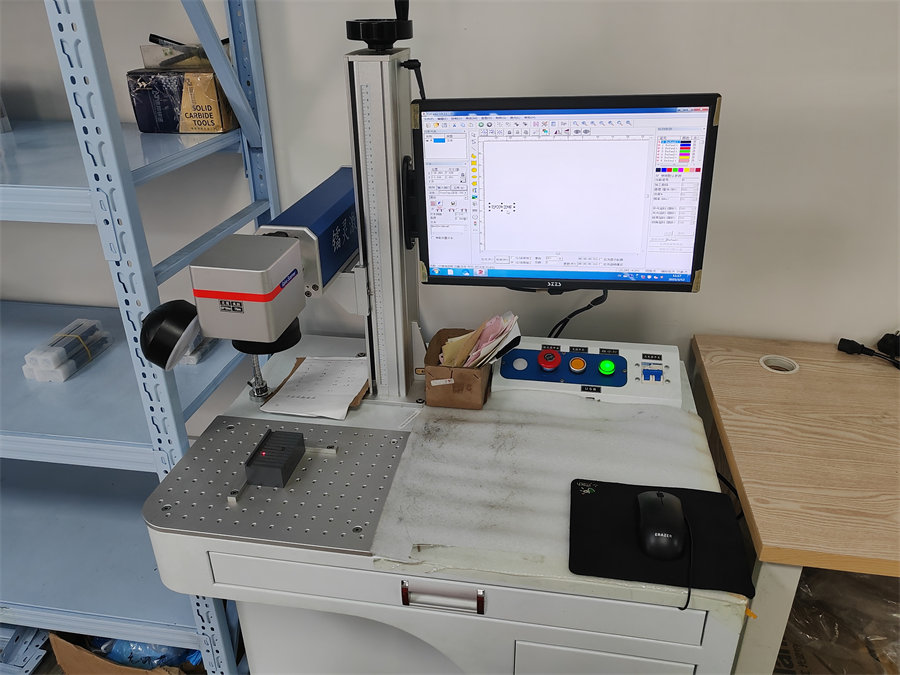
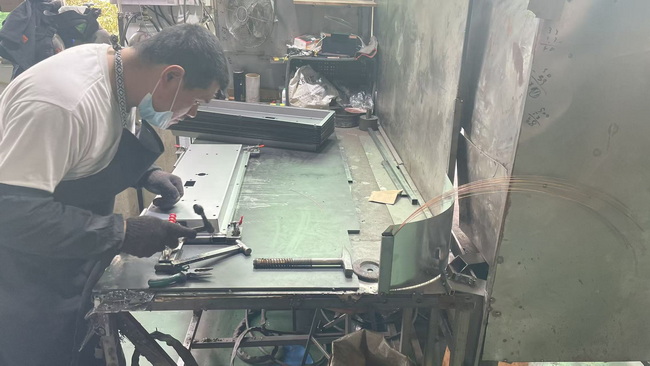
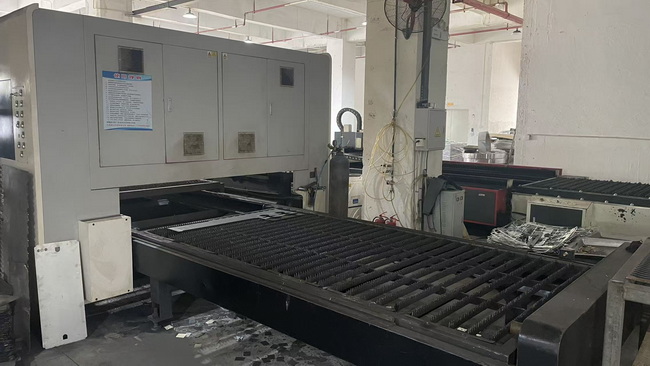
Interactive Factory Tour: Manufacturing & Quality Control Processes

Technical Q&A: Solved by Tooling Engineering Experts

How does raw carbide grain size affect screw machine tool performance?
The grain size of the tungsten carbide substrate directly determines the balance between hardness and toughness. At Suzhou Tier Tool, we use submicron (0.5–0.8 μm) and ultra-fine (0.2–0.5 μm) carbide structures. Finer grain sizes allow for sharper cutting edges and higher wear resistance. This is essential for Swiss lathe operations where the tool is subjected to continuous contact and high frictional temperatures.
When should we select a TiAlN coating versus a TiN or Diamond-Coating?
The choice of coating depends on the workpiece material:
  • TiN (Titanium Nitride): Ideal for general steel, brass, and roughing aluminum applications. It provides excellent surface lubricity.
  • TiAlN (Titanium Aluminum Nitride): Best suited for aerospace alloys, stainless steels, and hardened steels (up to HRC 55). The addition of aluminum forms a protective aluminum oxide layer at high temperatures, increasing heat resistance.
  • Diamond-Coating: Essential for abrasive materials like carbon composites, glass, ceramics, and high-silicon aluminum alloys, as it offers maximum abrasion resistance.
How does variable helix angle design prevent vibration during high-speed milling?
During high-speed milling, uniform flute placement can cause harmonic vibrations, resulting in chatter marks and reduced tool life. A variable helix angle disrupts this resonance by changing the chip evacuation load and timing. This stabilizes the tool, allowing for higher feed rates and cleaner surface finishes.
What parameters should be adjusted when transitioning from steel to aluminum machining?
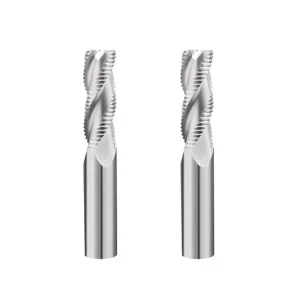
Aluminum requires sharp cutting edges and polished flutes to prevent material adhesion. We recommend using a 2 or 3-flute end mill with a higher helix angle (typically 45° to 55°), higher spindle speeds, and lower feed rates. When machining steel, a 4-flute design with a lower helix angle (35° to 38°) is preferred to improve structural strength and handle high cutting pressures.
How does Suzhou Tier Tool support custom OEM/ODM requests?
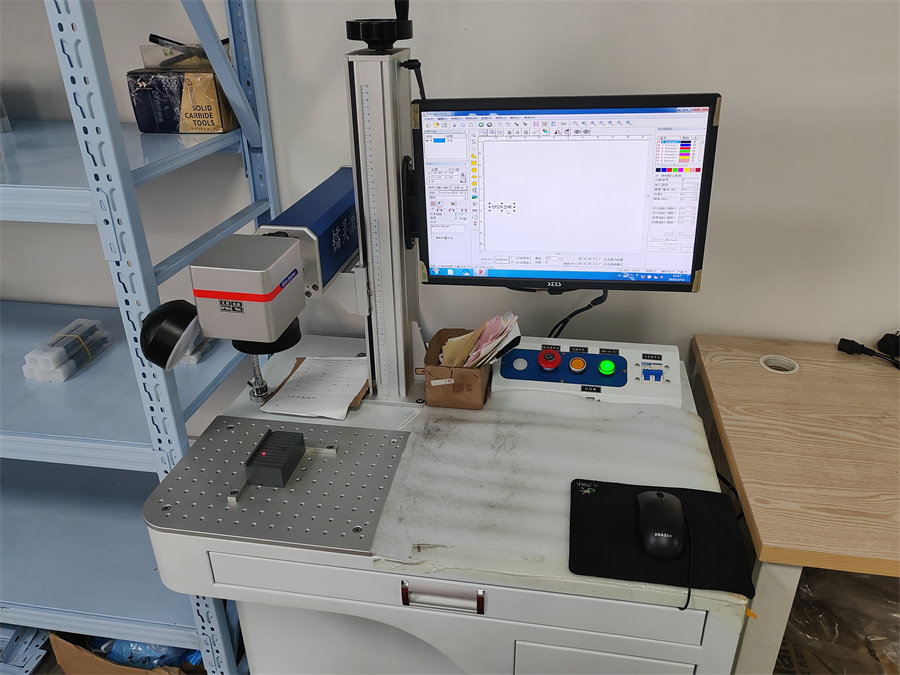
We offer comprehensive OEM/ODM services. Customers can provide technical drawings, cad files, or workpiece samples. Our engineering team designs the tool geometry, runs simulations, selects the substrate and coating, and produces prototype batches for customer testing. We also offer custom shank sizing, laser marking, and specialized packaging.