Tier Tool
1 / 5
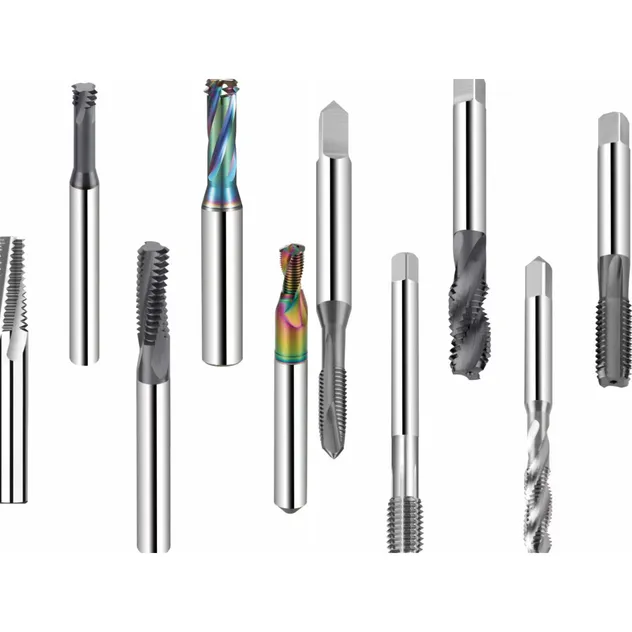
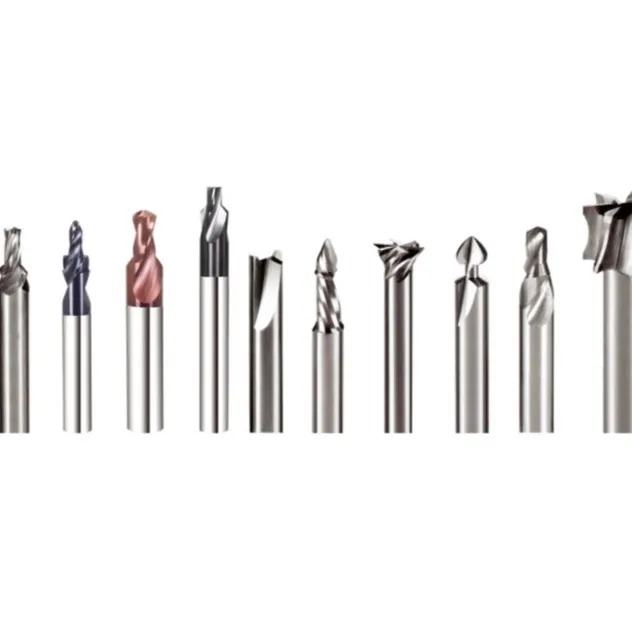
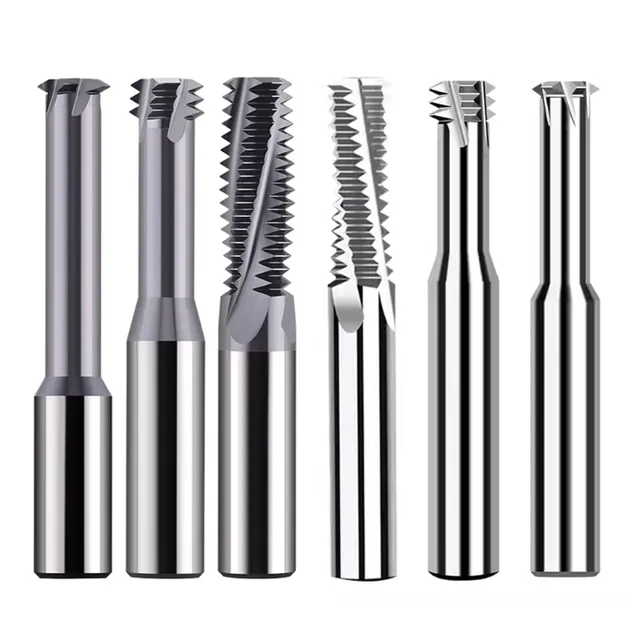
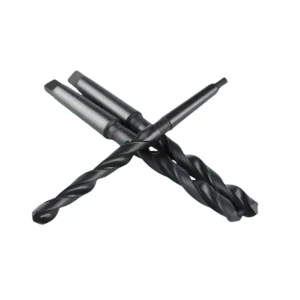
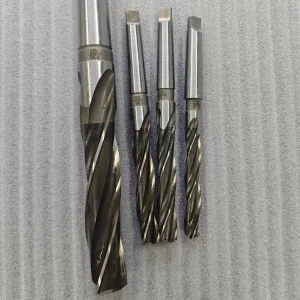
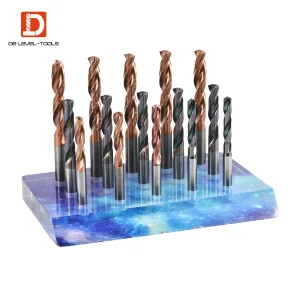
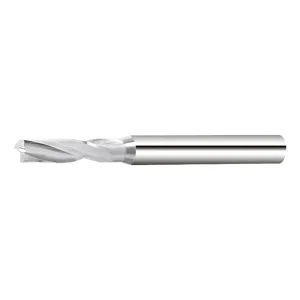
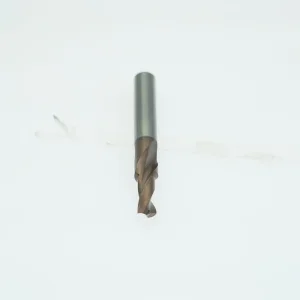
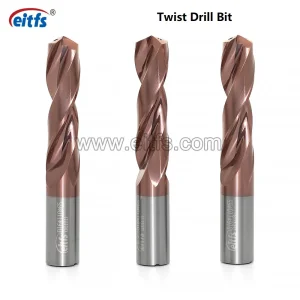
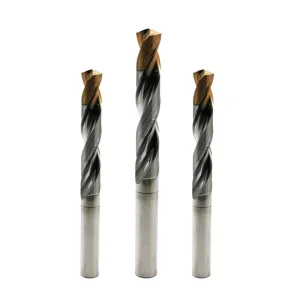
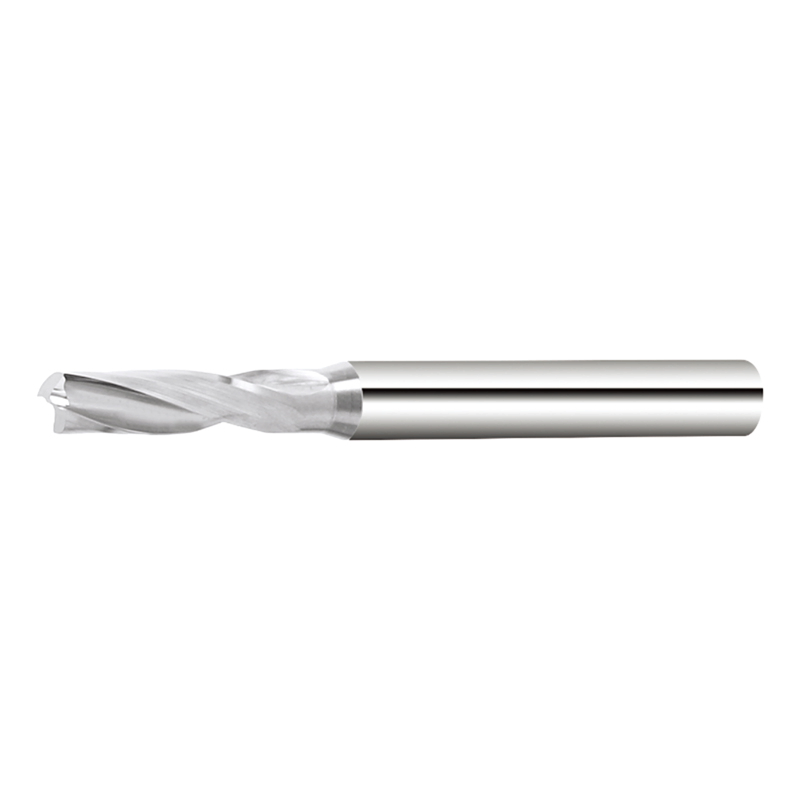
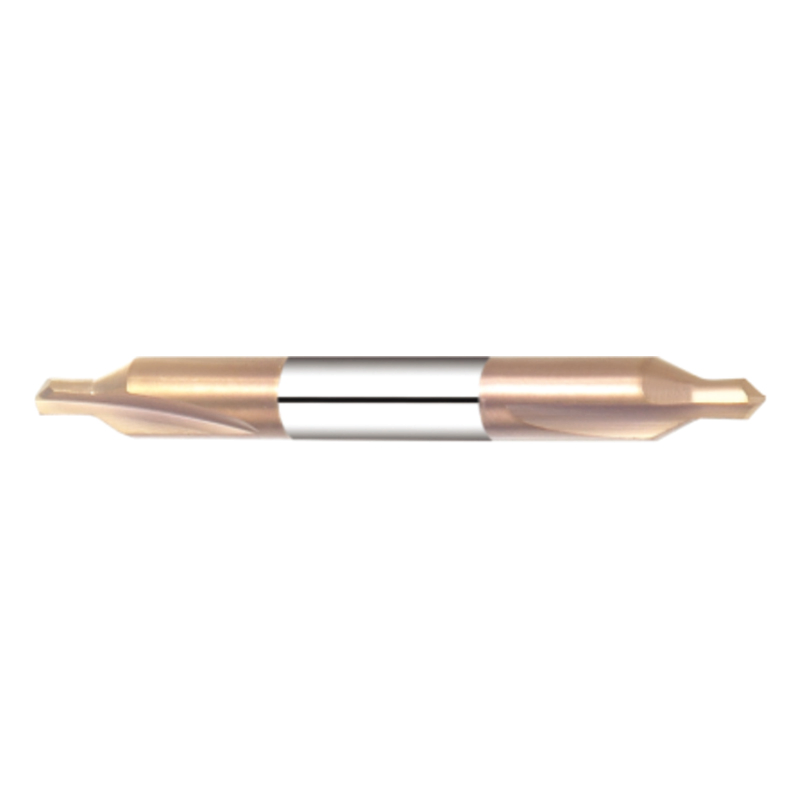
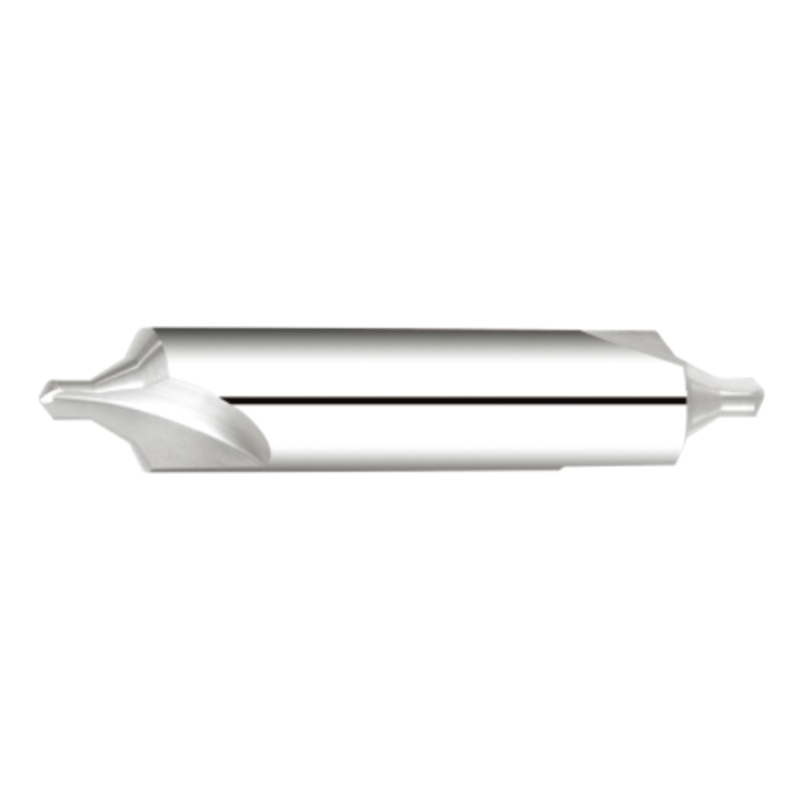
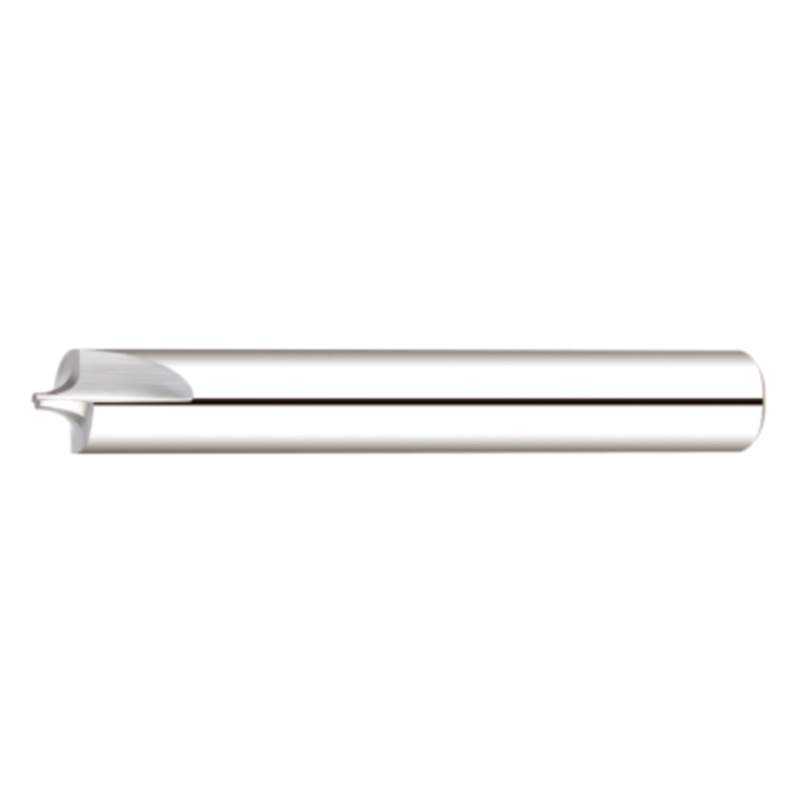
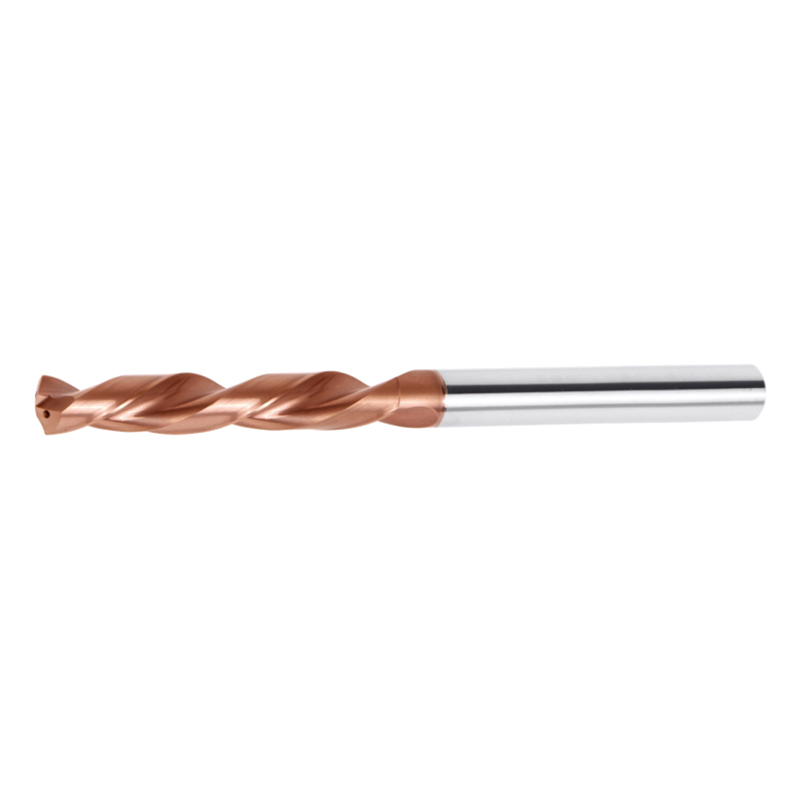
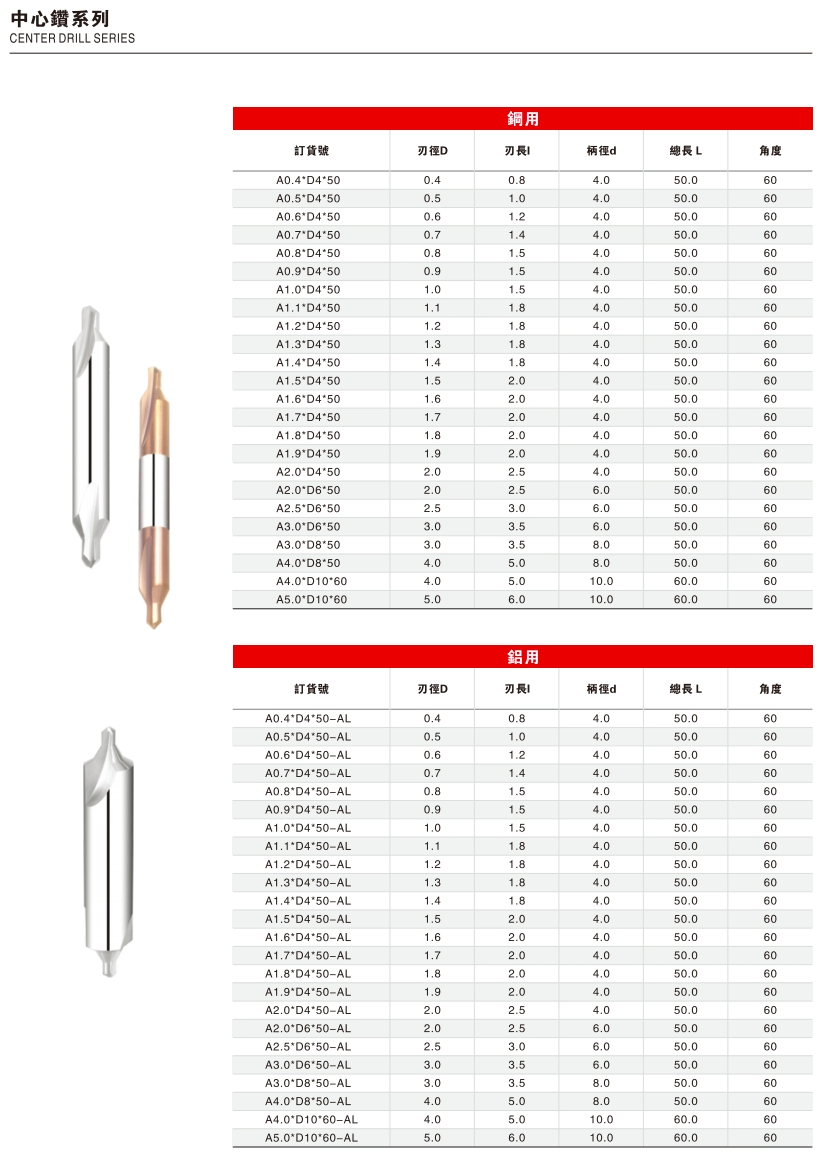
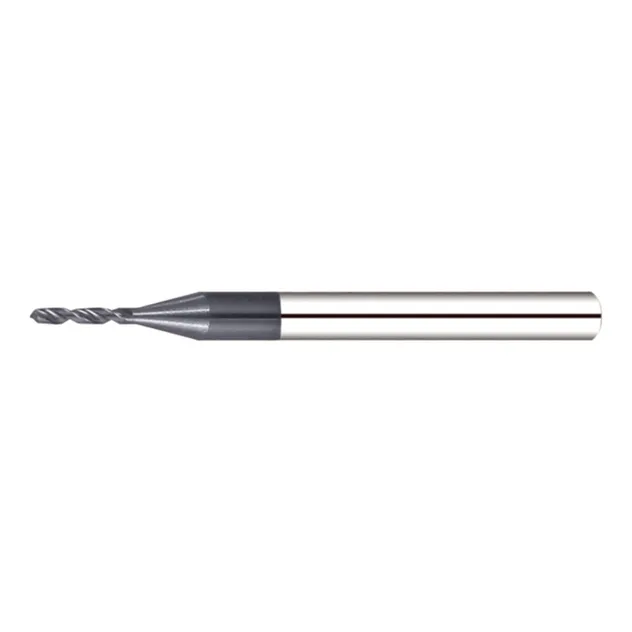
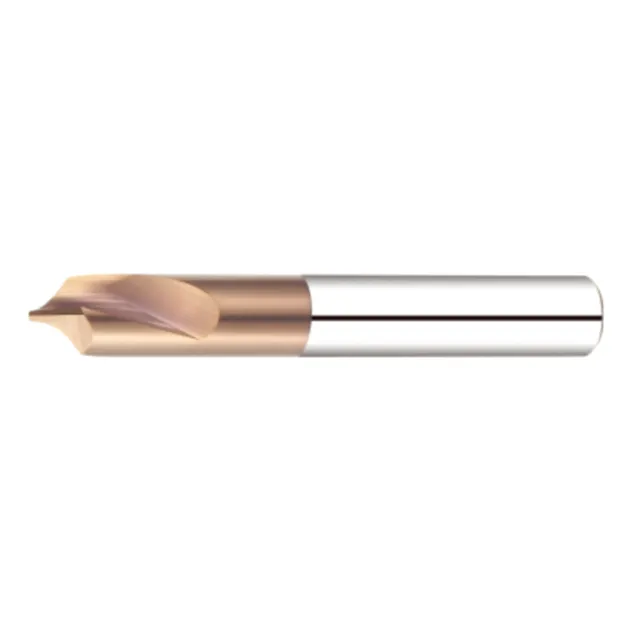
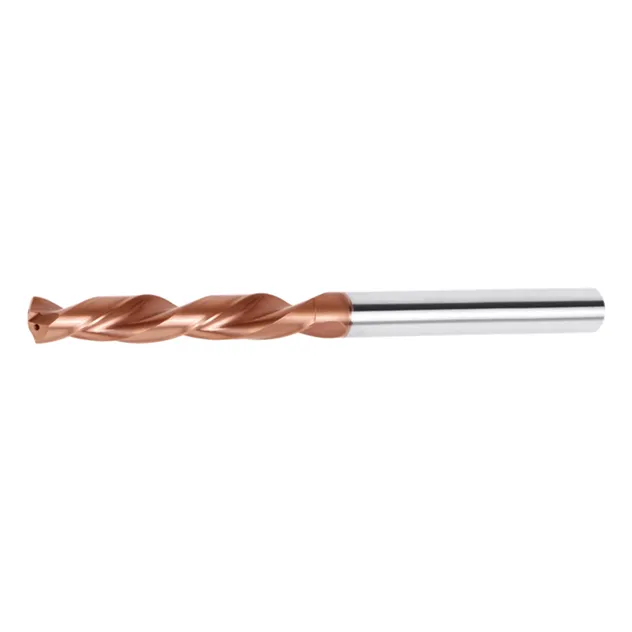
A drill bit is a rotating cutting tool designed to create holes in various materials, including metal, wood, plastic, and concrete. Characterized by its sharp, spiral-shaped (helical) cutting edges, it is widely used in machining, construction, woodworking, and DIY projects.
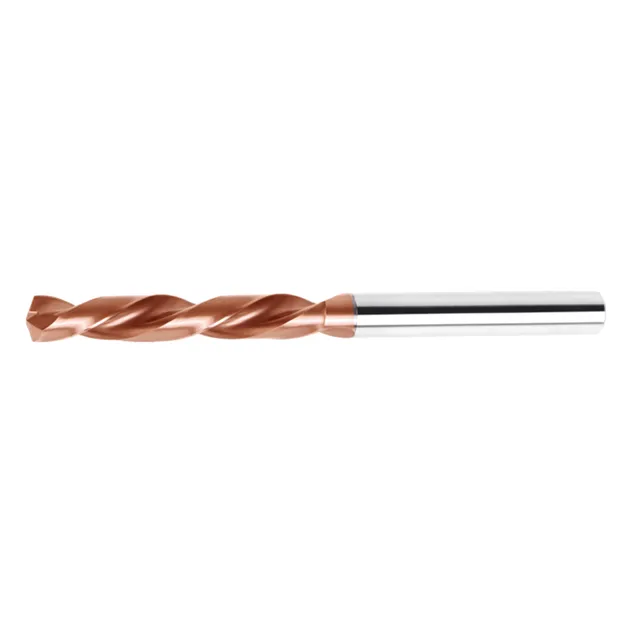
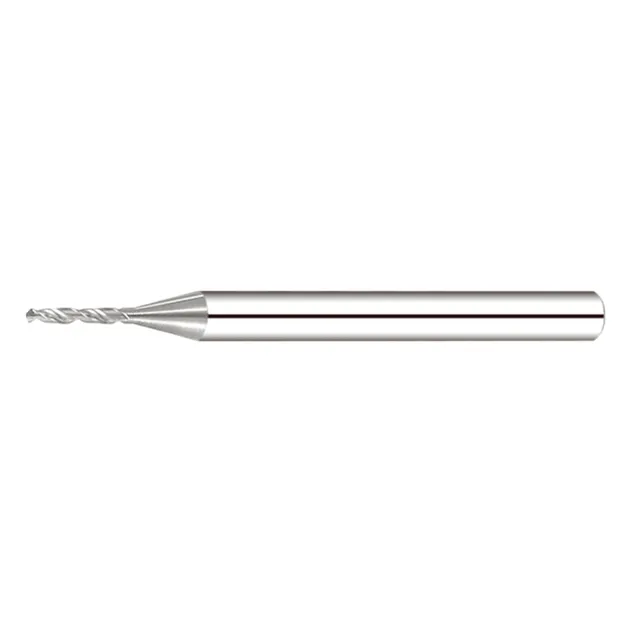
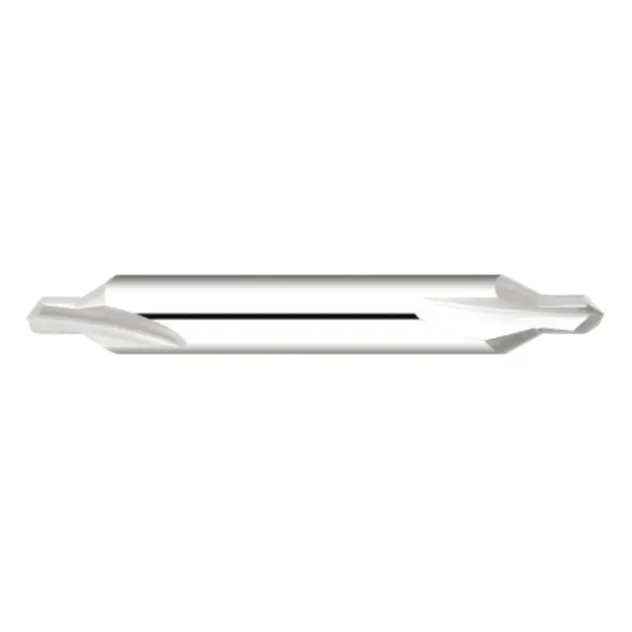
From drilling pilot holes in metal fabrication to creating anchor holes in construction, drill bits are indispensable. In CNC machining, precision drill bits ensure tight tolerances, while in woodworking, brad point bits deliver clean, splinter-free holes.
| Parameter Category | Key Specifications & Details |
|---|---|
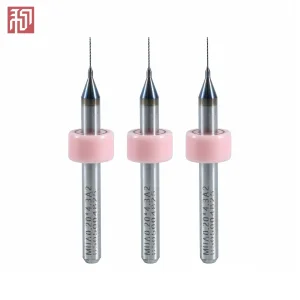
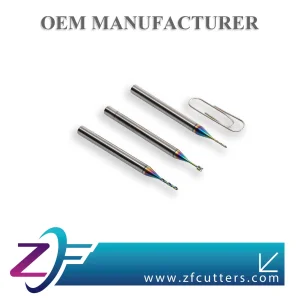
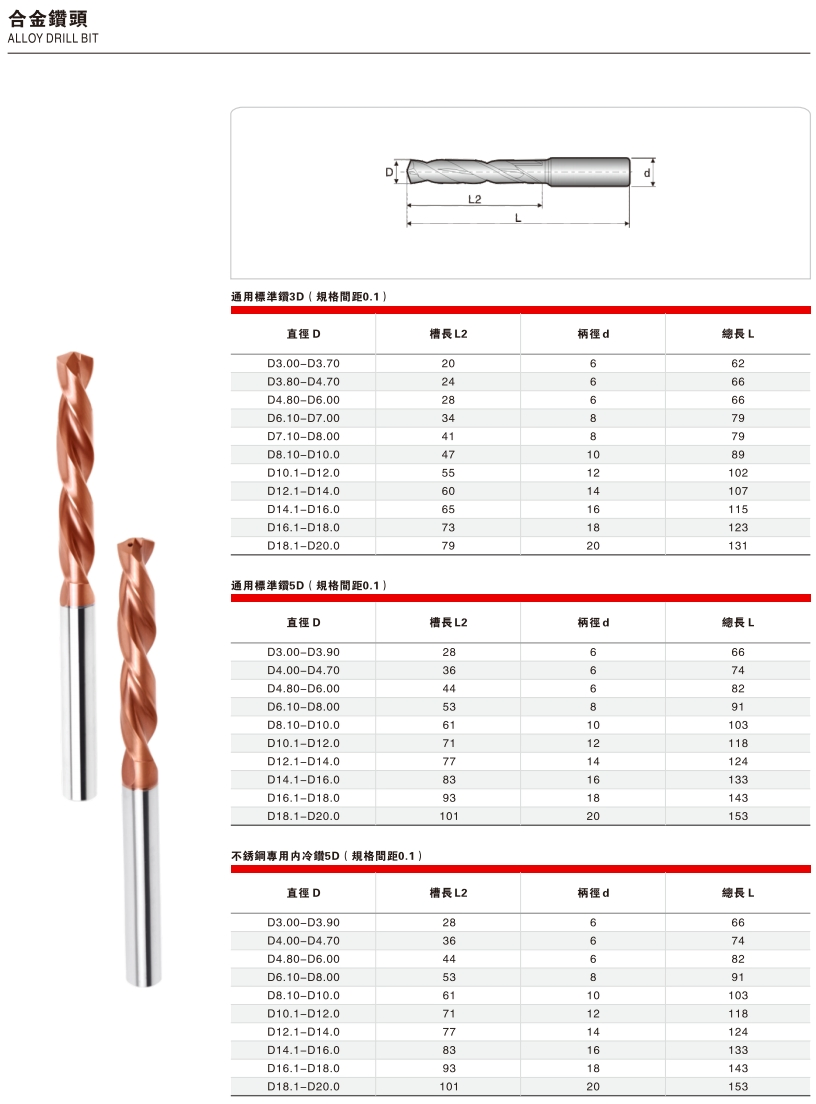
| 1. Basic Geometry | - Diameter: Range from 0.01mm (micro-drills) to 100mm+; metric/imperial. - Overall Length (OL): Total length from shank to tip. - Flute Length (FL): Recommended > workpiece thickness +1~2mm. - Point Angle: 118° (general), 135° (stainless steel/hard metals), 90° (wood/plastic). - Helix Angle: 10°~20° (brittle materials), 30°~40° (ductile materials). |
| 2. Shank Type | - Round Shank: Universal, fits standard chucks. - Hex Shank: Anti-slip, for cordless drills. - Morse Taper (MT): Heavy-duty drilling (MT1~MT5). - SDS Shank: For hammer drills (SDS-plus/SDS-max). |
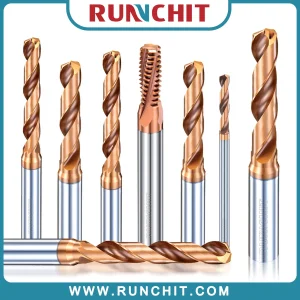
| 3. Material & Coating | - Base Materials: HSS (general), HSS-Co (stainless steel), Carbide (hard materials), PCD (non-ferrous), CBN (hardened steel). - Coatings: TiN (gold), TiCN (blue-gray), TiAlN (purple-black), DLC (black), ZrN (gold, titanium). |
| 4. Tolerance & Precision | - Tolerance Class: H7 (precision), H8/H9 (general). - Surface Finish: Ra 0.4~6.3μm. - Runout: Typically ≤0.01mm for precision drills. |
| 5. Application & Performance | - Workpiece Materials: Steel, aluminum, stainless steel, wood, plastic, concrete. - Drill Depth Capacity: L/D ratio ≤5 (standard), 5~10 (deep hole), >10 (extra-deep hole). - Coolant Type: External (standard), through-hole (deep hole). |
| 6. Operational Parameters | - Cutting Speed: 100~1500m/min. - Feed Rate: 0.05~0.8mm/rev. - Max RPM: Dependent on diameter (e.g., 10mm carbide drill: ~6000 RPM for steel). |
| Diameter Range | From micro diameters (e.g., 0.5mm) to standard sizes (e.g., 16mm) and custom specifications. |
| Applicable Materials | Steel, Stainless Steel, Cast Iron, Aluminum, Copper, Titanium, and more. |
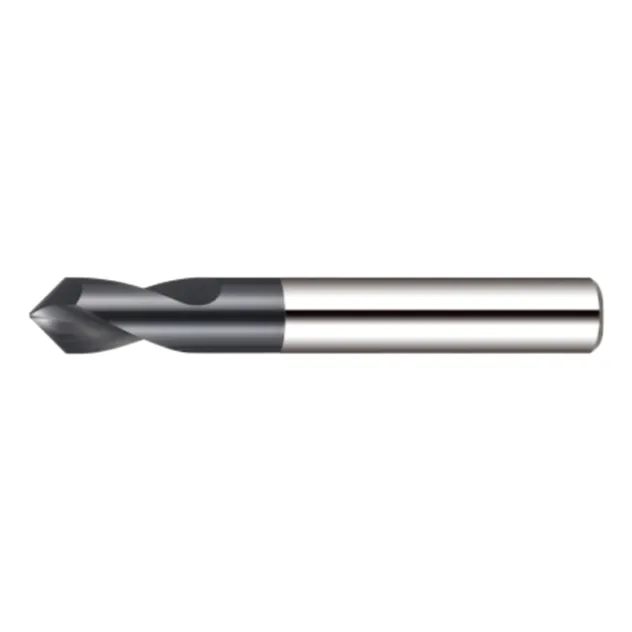
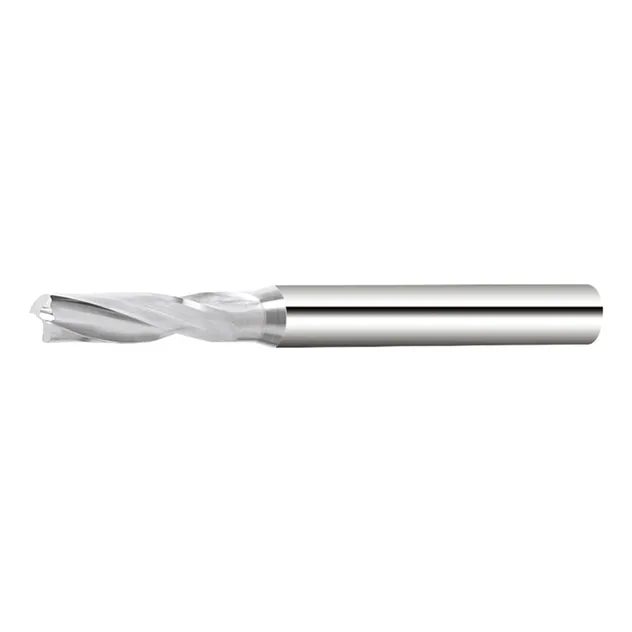
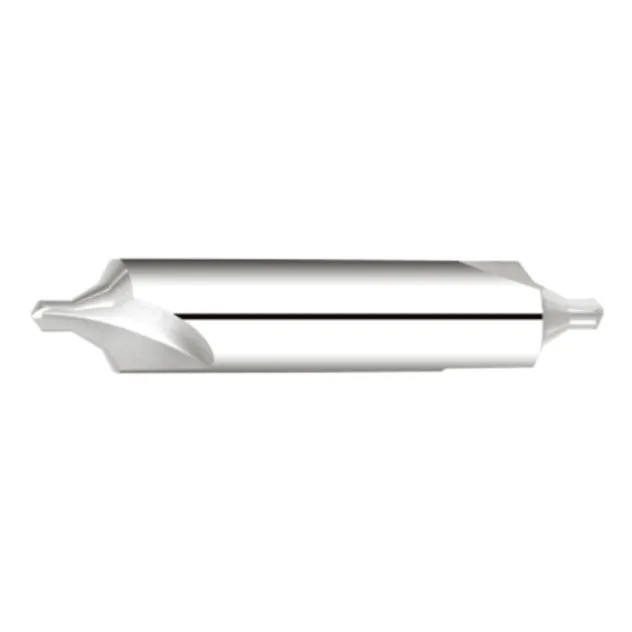
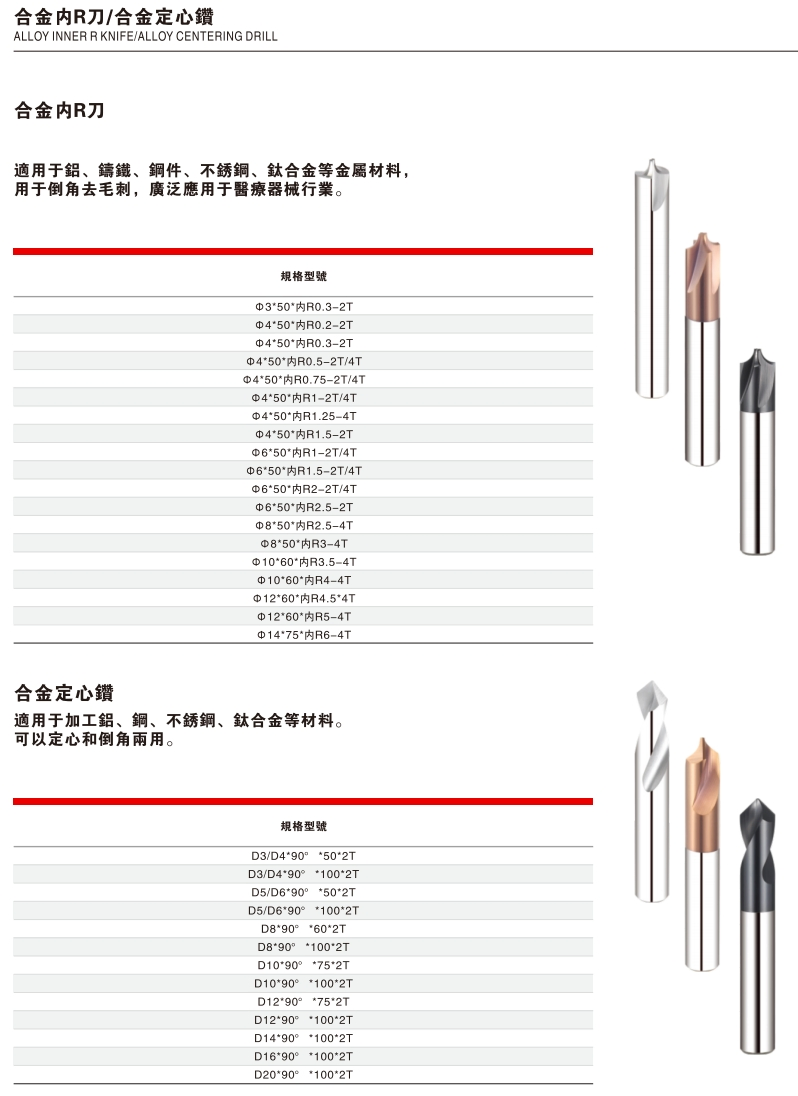
Focus on matching the bit's design to the material's key properties:
Always prioritize compatibility between the bit's material, coating, geometry, and the workpiece's hardness, toughness, and chip-forming characteristics.