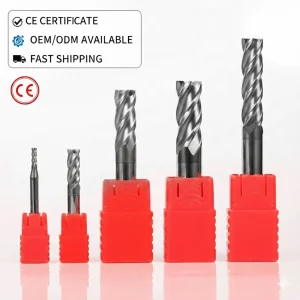
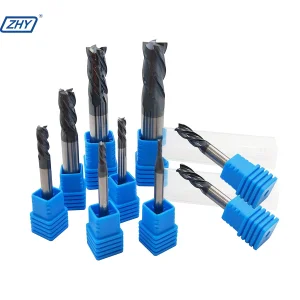
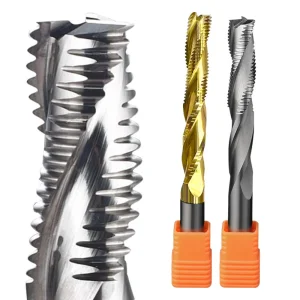
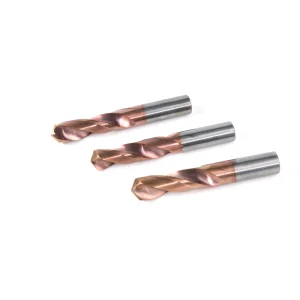
Premium industrial milling tools selected to handle tough metal alloys and heavy machinery applications in North Korea's growing manufacturing sectors.
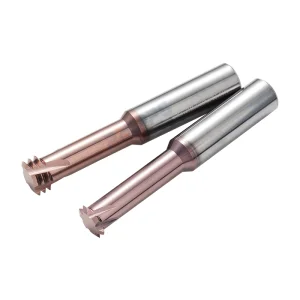
In modern precision subtractive manufacturing, the production of internally and externally threaded components stands as a vital process. Traditional methods, including tapping and thread turning, have served industrial machining for decades. However, the emergence of Solid Carbide Full Profile Thread Mills represents a major leap forward in terms of process stability, surface finish, chip control, and geometric accuracy.
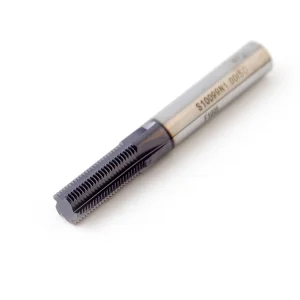
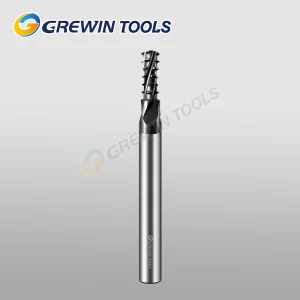
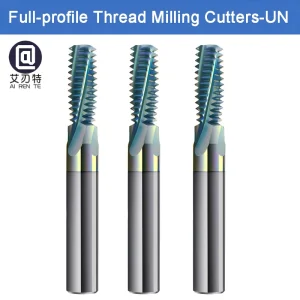
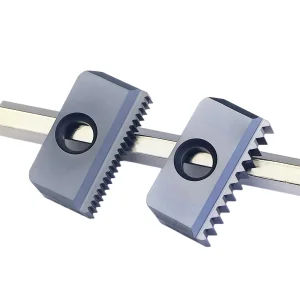
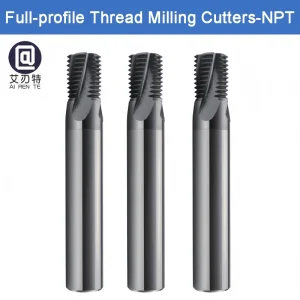
Unlike partial profile thread mills, which possess a V-shaped cutting edge without defined crest truncation, a full profile thread mill is engineered with a grinding geometry that cuts the complete profile of the thread, including the crest (outer diameter for external threads, inner diameter for internal threads) and root. This dedicated design ensures that the finished thread conforms exactly to strict industrial standards (such as ISO Metric, Unified National UN, Whitworth W-55, or NPT National Pipe Thread) without leaving burrs or inconsistent thread heights.
| Performance Feature | Full Profile Thread Mills (Solid Carbide) | Partial Profile Thread Mills | Traditional Taps / Dies |
|---|---|---|---|
| Thread Profile Accuracy | Excellent (Cuts root & crest simultaneously) | Moderate (Depends heavily on pre-drill diameter) | Low-Moderate (High risk of axial pitch deviation) |
| Process Flexibility | Variable diameters with the same pitch | Variable pitches and diameters | Fixed single diameter and pitch |
| Risk of Tool Breakage | Very low (Short contact zone, helical path) | Low | High (High torque, chip binding risks) |
| Surface Finish (Ra) | Superior (CNC helical milling interpolation) | Good | Poor to Moderate |
| Chip Management | Excellent (Short, segmented chips easily flushed) | Excellent | Difficult (Long continuous stringy chips) |
The industrial structure of North Korea (DPRK) centers heavily on heavy machinery, resource extraction (such as coal, iron ore, and magnesite mining), transport infrastructure, and metal processing hubs located across major areas like Huichon, Hamhung, Nampo, and Pyongyang. In these environments, machining shops face the challenge of processing high-tensile steels, cast irons, and structural alloys under varying production environments.
For heavy industries in North Korea, such as the manufacture of mining machinery components, locomotives, and electrical generation turbines, structural fasteners and heavy thread interfaces must withstand intense physical stresses. Traditional tapping methods frequently fail when machining large-diameter, deep-hole threads in materials like manganese steel or cast iron. A broken tap lodged inside a nearly completed, high-value cast housing can result in expensive rework or complete scrapping of the part.
By integrating advanced CNC machines and solid carbide full-profile thread mills into these production flows, local workshops achieve a significant upgrade in output. Solid carbide's high thermal hardness allows it to cut through hardened materials without thermal degradation. In addition, because thread milling utilizes helical interpolation on 3-axis CNC machines, the cutting forces are significantly lower than those encountered in tapping. This preserves the spindle life of older CNC setups and guarantees high-grade threads even on machines with lower rigidity.
On a global scale, the metalworking industry is transitioning rapidly toward high-speed machining (HSM) and unattended automation. This shift requires cutting tools that offer reliable, predictable tool life. Solid carbide remains the material of choice due to its high elastic modulus, high wear resistance, and ability to hold extremely sharp cutting edges under severe mechanical load.
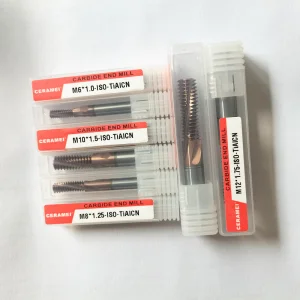
Modern coating technologies like Titanium Aluminum Nitride (AlTiN) and Diamond-Like Carbon (DLC) protect the underlying carbide substrate from thermal shock and abrasive wear. Under high-speed cutting conditions, the surface of an AlTiN-coated thread mill oxidizes to form a protective aluminum oxide layer. This layer conducts heat away from the tool and into the chip, maintaining the structural integrity of the carbide substrate. For non-ferrous metals like aluminum and copper alloys, DLC coatings provide a low friction coefficient (less than 0.1), preventing built-up edge (BUE) and ensuring smooth chip evacuation.
Across North Korean industrial zones, specific applications demand specialized thread milling profiles:
A national high-tech enterprise specializing in the design, manufacturing, and technical support of precision solid carbide cutting tools.
Established in 2008, Suzhou Tier Tool Co., Ltd. has been deeply committed to the precision machining industry, focusing on delivering high-performance, high-efficiency cutting solutions for hole-making and metalworking applications. Through continuous technological innovation and manufacturing excellence, the company has earned the trust of customers across a wide range of industries worldwide.
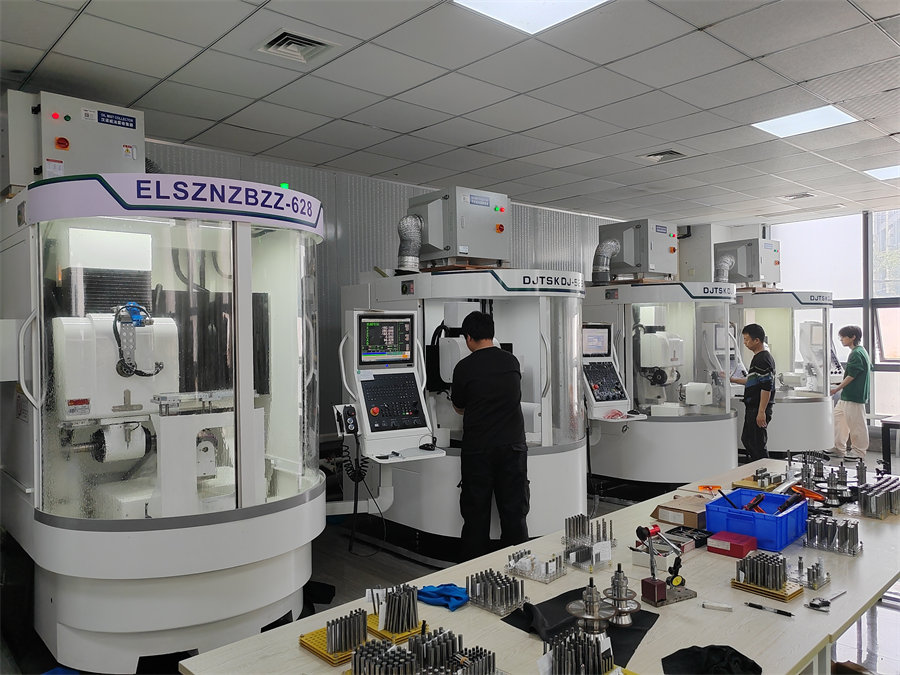
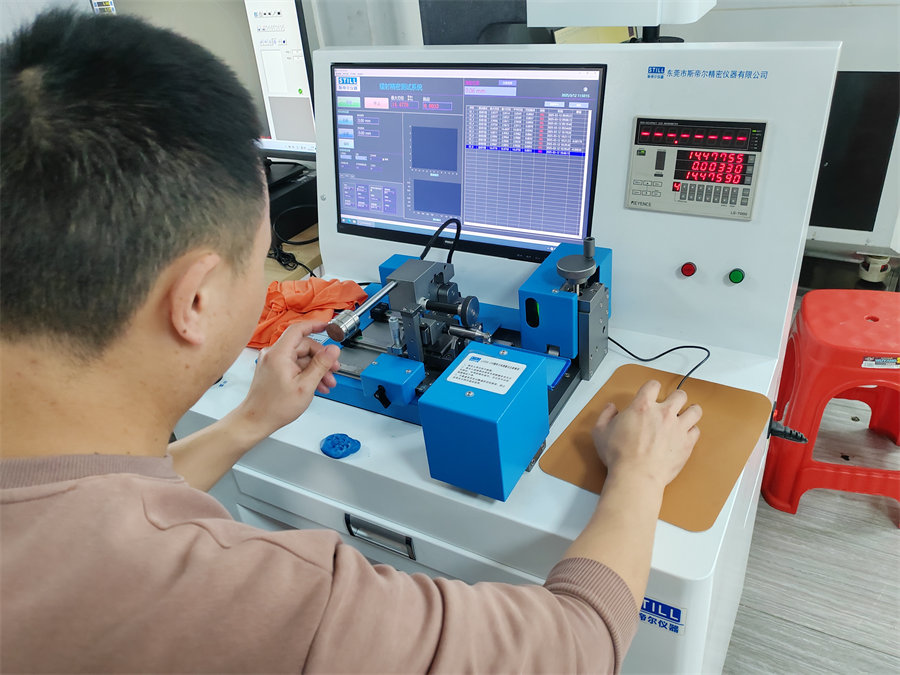
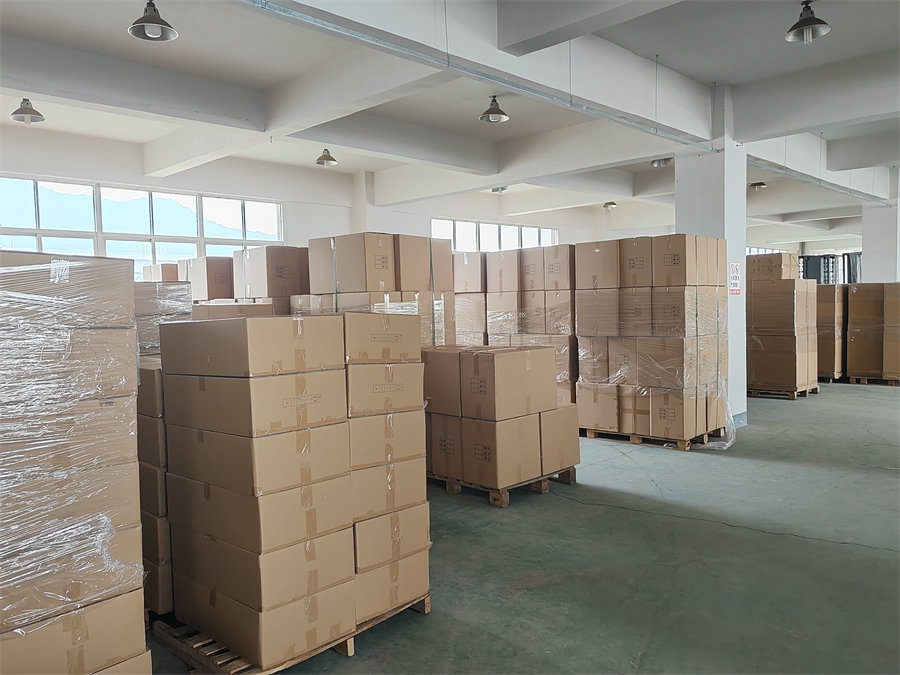
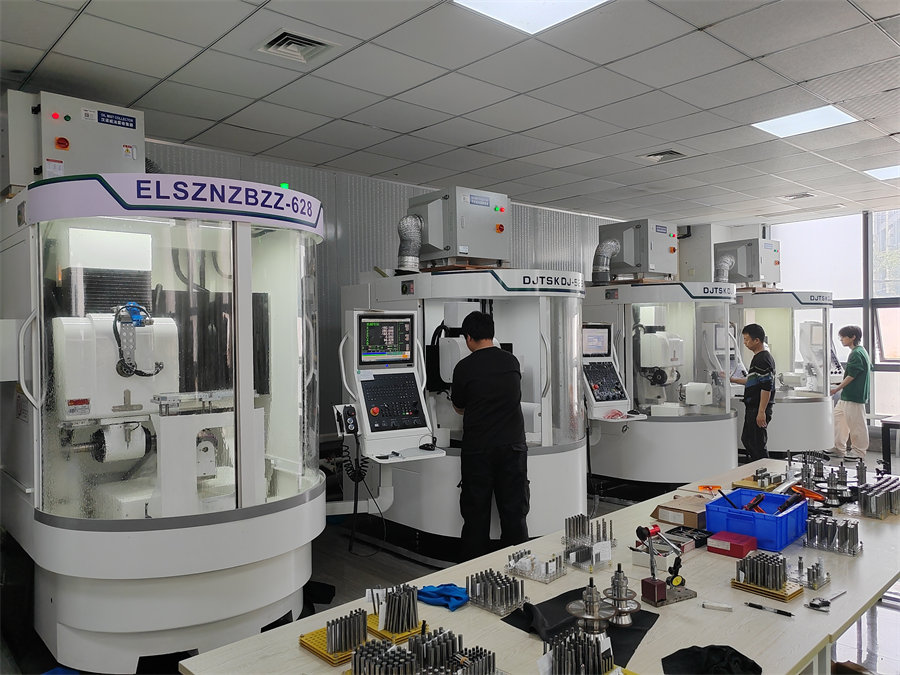
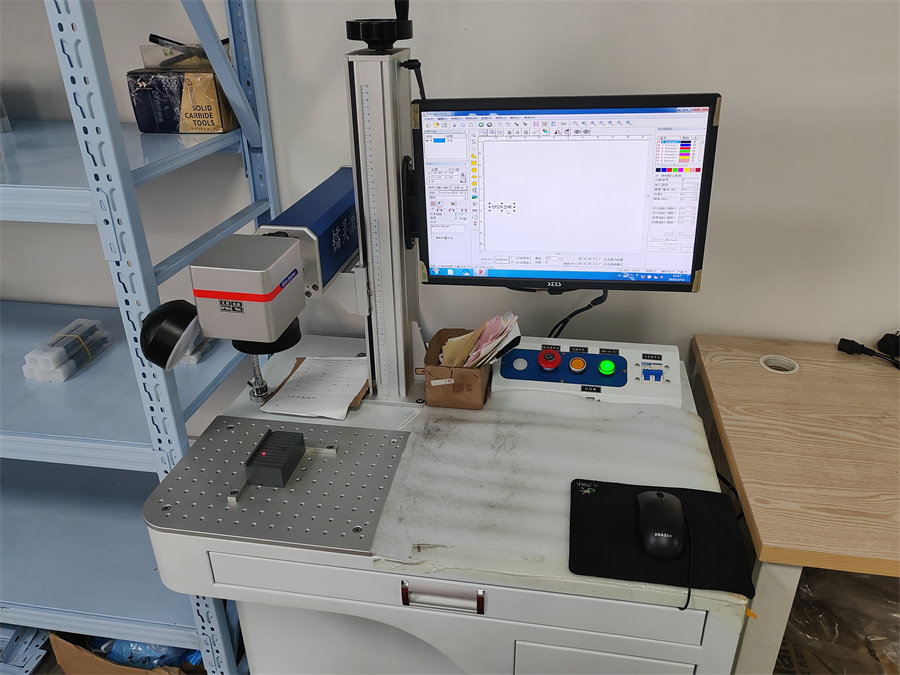
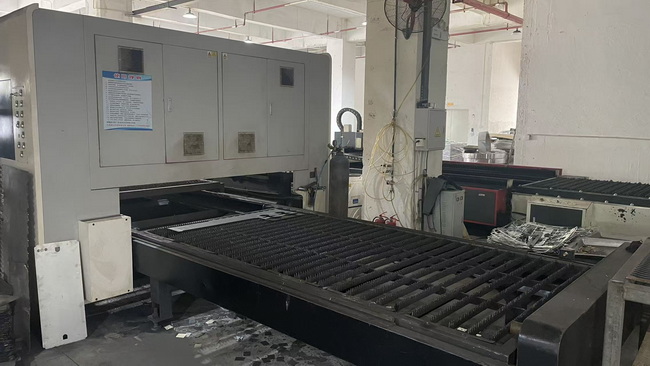
To ensure the highest levels of precision and consistency, Tier Tool has invested extensively in advanced manufacturing equipment and production technologies. The company operates multiple imported CNC tool grinding machines and precision inspection systems, enabling complete in-house capabilities from tool design and prototyping to small-batch testing and large-scale production.
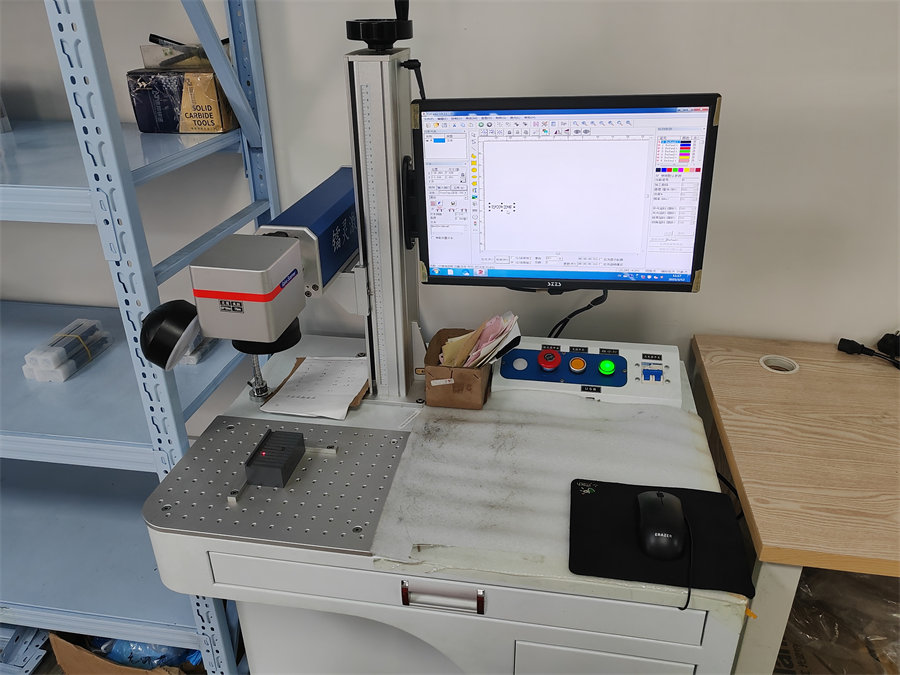
Our manufacturing process is built upon strict process control and traceability standards. Every production stage is carefully monitored to ensure repeatability, quality consistency, and reliable delivery performance. Through systematic process management and standardized operating procedures, Tier Tool has established a robust manufacturing system capable of meeting the demanding requirements of modern precision machining.
Quality is the foundation of Tier Tool's long-term success. We adhere to the principle of "Quality First, Continuous Improvement", implementing rigorous quality control procedures throughout the entire production cycle.
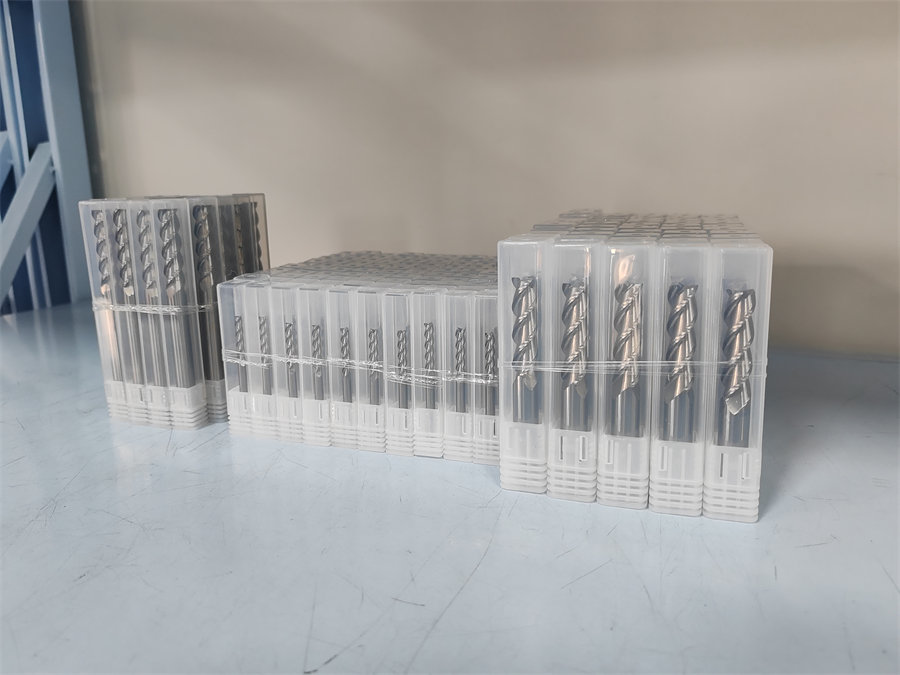
From raw material selection and incoming inspection to final product verification, every tool undergoes comprehensive quality checks to ensure it meets strict dimensional, geometrical, and performance requirements. By continuously optimizing our manufacturing and inspection processes, we deliver products that provide exceptional accuracy, reliability, and consistency in real-world machining applications. We understand that in precision manufacturing, stable quality is not only a requirement but also the key factor that determines our customers' productivity and competitiveness.
At Tier Tool, we believe that supplying cutting tools is only the beginning of our partnership with customers. Beyond delivering products, we provide comprehensive technical support and application engineering services to assist customers in optimizing their manufacturing processes.
Our technical specialists work directly with customers to analyze machining conditions, recommend suitable tooling strategies, and develop solutions that maximize efficiency, reliability, and cost-effectiveness. By understanding our customers' production goals and competitive challenges, we strive to become a trusted long-term manufacturing partner rather than simply a tooling supplier.
Looking ahead, Suzhou Tier Tool Co., Ltd. will continue to focus on the development of high-performance carbide cutting tools and deepen its expertise in automotive, aerospace, precision engineering, and advanced manufacturing industries. Driven by professionalism, innovation, and customer commitment, we are dedicated to creating greater value for our customers through reliable products, flexible services, and advanced manufacturing technologies.
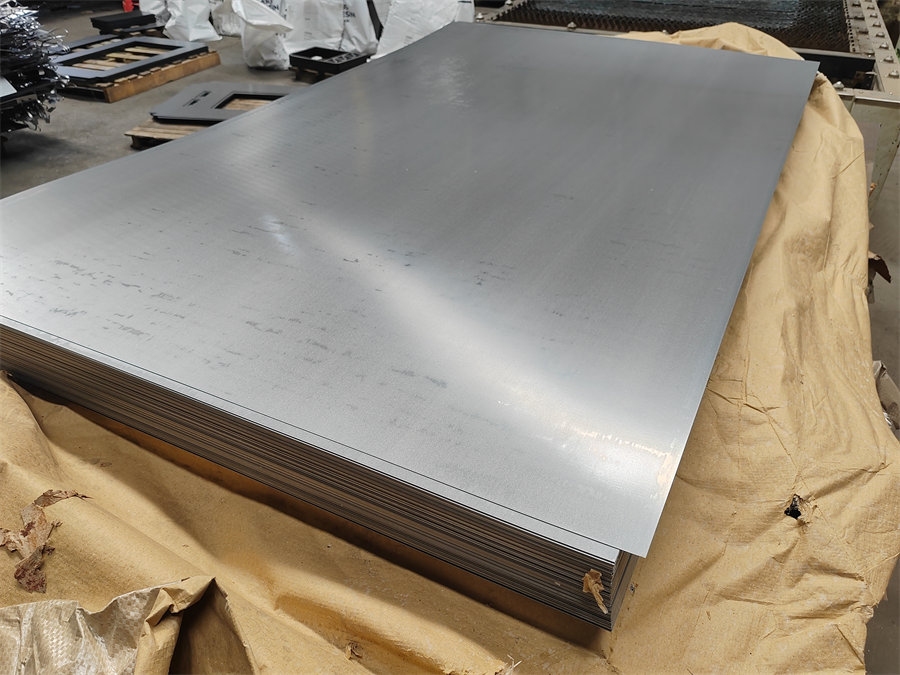
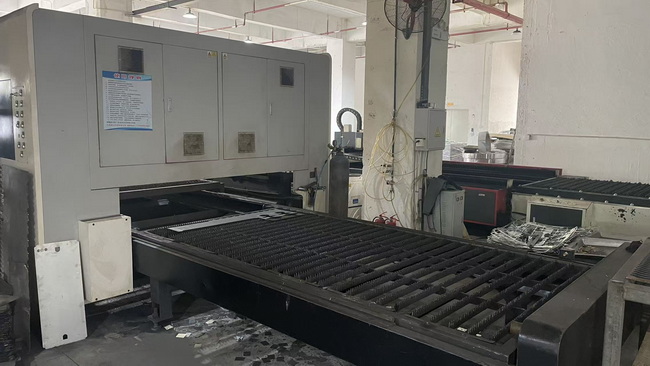
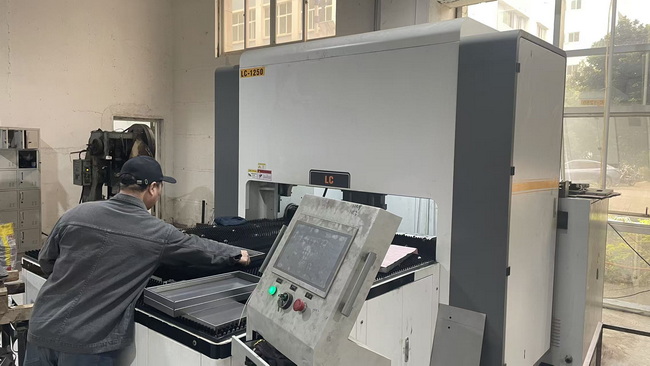
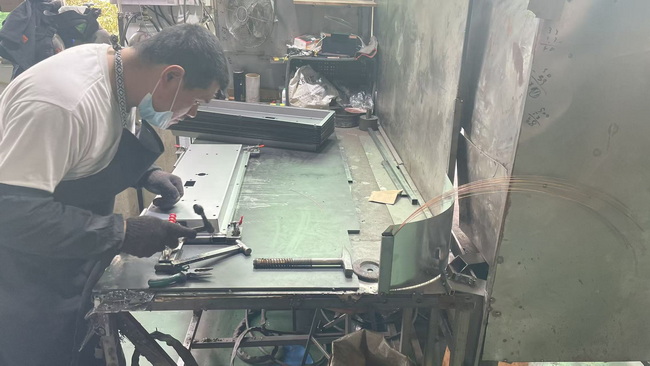
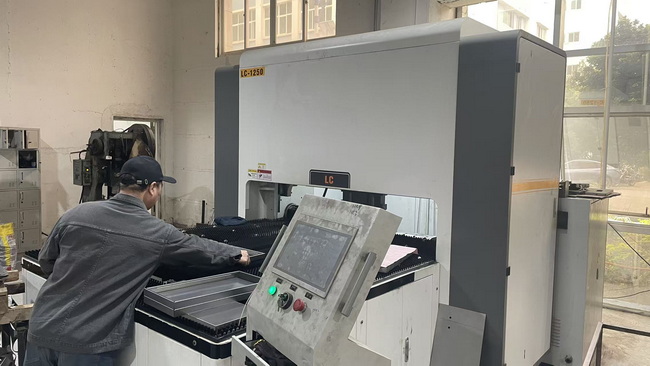
To maintain high quality standards under demanding field conditions, Suzhou Tier Tool employs a rigorous technical process focusing on three critical areas:
We use ultra-micrograin tungsten carbide with a grain size of 0.4–0.6 microns and a cobalt content of 10%–12%. This composition balances fracture toughness and abrasive wear resistance, preventing micro-chipping along the delicate thread profile flanks.
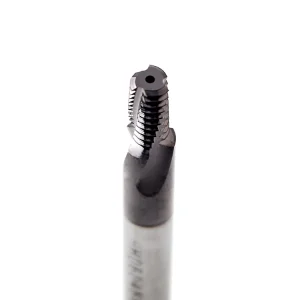
Our tools feature optimized helical flutes (ranging from 15° to 30°) that control cutting forces and promote upward chip flow in blind holes. The multi-tooth full profile layout allows workshops to cut complete threads in fewer passes, reducing cycle times and minimizing mechanical stress.
As a global supplier, we adhere strictly to international trade regulations, export control regimes, and quality management standardizations (ISO 9001:2015). We coordinate closely with logistics channels to ensure that all tool deliveries to local manufacturing plants in Nampo, Huichon, and Pyongyang are fully documented, packaged securely against environmental degradation, and shipped in compliance with all relevant export laws.
Detailed engineering answers to help production managers and CNC operators optimize their threading workflows.
Our complete range of ISO metric, UN, Whitworth, and NPT thread cutters engineered to deliver clean profiles, long tool life, and high process reliability.
Our technical engineering team can design custom solid carbide thread mills optimized for your specific spindle power, cutting speed, and material requirements.
Send Inquiry Now Tier Tool