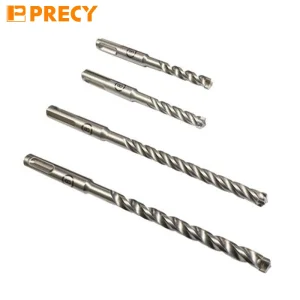
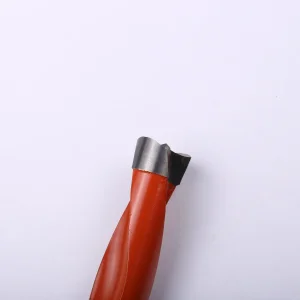
Direct supply line of optimized solid carbide drilling instruments built to tackle structural superalloys and high-speed carbon fiber machining.
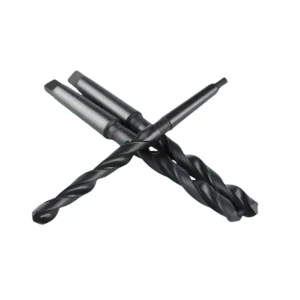
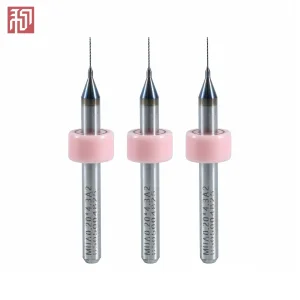
In the global manufacturing grid, the Pacific Northwest—specifically the Seattle-Tacoma-Bellevue metropolitan area—stands as a high-density epicentre for advanced aerospace engineering, marine manufacturing, and clean energy technology. To supply operations of this scale, tooling is not merely a consumable; it is a critical component of research, design, and manufacturing safety. The local aerospace cluster, driven by historic primes and modern commercial space giants, demands holemaking equipment that can meet the absolute threshold of tolerance and fatigue resistance.
Precision machining in Seattle frequently deals with complex, difficult-to-machine materials including Titanium Alloys (Ti-6Al-4V), Carbon Fiber Reinforced Polymers (CFRP), Inconel superalloys, and high-strength aluminum composites. The drilling of these structural components represents one of the most critical stages of assembly: a single out-of-tolerance hole or localized delamination can compromise structures valued at hundreds of thousands of dollars. As a result, the demand for premium Solid Carbide Drill Bits in Seattle has evolved from basic procurement to a need for collaborative, specialized engineering.
"Under modern manufacturing dynamics, holemaking accounts for up to 40% of all machining operations by volume. In tough aerospace materials like titanium-composite stacks, utilizing custom-engineered solid carbide geometries is the key to preventing micro-cracking and achieving predictable tool life."
While local inventory supports day-to-day requirements, the integration of global advanced tool grinding factories is reshaping Seattle's supply chain resiliency. Manufacturers like Suzhou Tier Tool Co., Ltd. bridge the gap between custom product design and mass production economics. By maintaining direct integration with Seattle-based machining shops, Tier Tool offers custom tool prototyping, specialized coatings tailored to Pacific Northwest alloy grades, and direct factory-to-port logistics. This global-local synergy ensures Seattle's precision workshops get high-tier cutting tools without the inflated overhead of intermediate layers.
Suzhou Tier Tool Co., Ltd. was established in 2008 and is a national high-tech enterprise specializing in the design, manufacturing, and technical support of precision solid carbide cutting tools.
Since its foundation, Tier Tool has been deeply committed to the precision machining industry, focusing on delivering high-performance, high-efficiency cutting solutions for hole-making and metalworking applications. Through continuous technological innovation and manufacturing excellence, the company has earned the trust of customers across a wide range of industries worldwide.
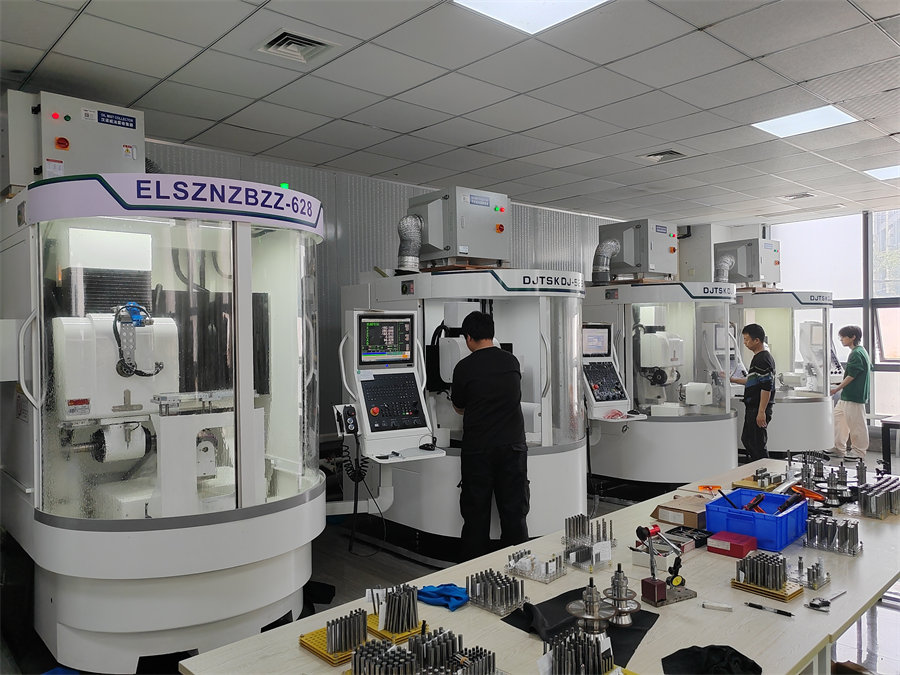
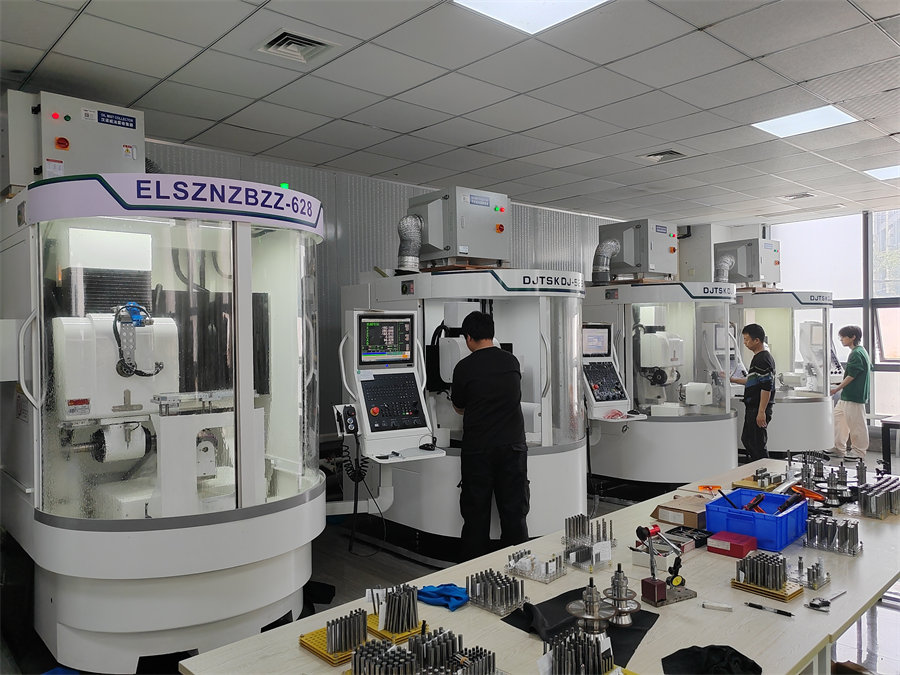
To ensure the highest levels of precision and consistency, Tier Tool has invested extensively in advanced manufacturing equipment and production technologies. The company operates multiple imported CNC tool grinding machines and precision inspection systems, enabling complete in-house capabilities from tool design and prototyping to small-batch testing and large-scale production.
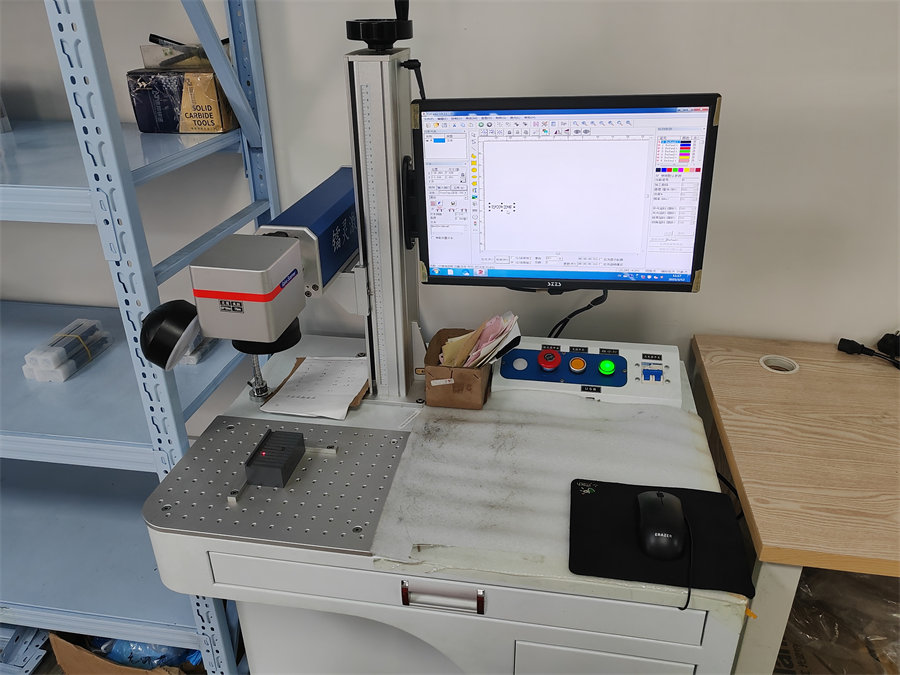
Our manufacturing process is built upon strict process control and traceability standards. Every production stage is carefully monitored to ensure repeatability, quality consistency, and reliable delivery performance. Through systematic process management and standardized operating procedures, Tier Tool has established a robust manufacturing system capable of meeting the demanding requirements of modern precision machining.
Quality is the foundation of Tier Tool's long-term success. We adhere to the principle of "Quality First, Continuous Improvement", implementing rigorous quality control procedures throughout the entire production cycle.
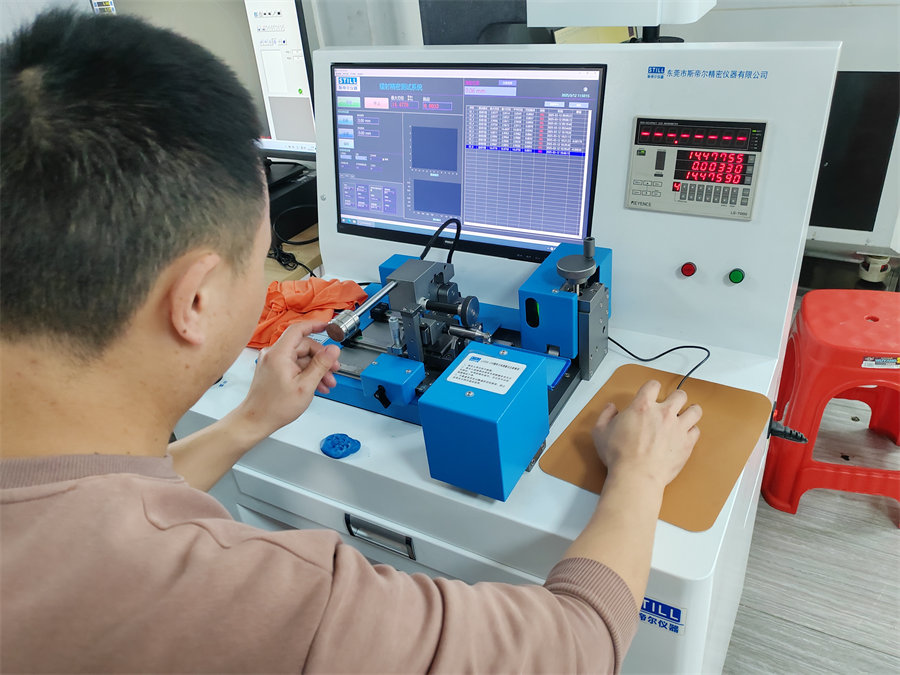
From raw material selection and incoming inspection to final product verification, every tool undergoes comprehensive quality checks to ensure it meets strict dimensional, geometrical, and performance requirements. By continuously optimizing our manufacturing and inspection processes, we deliver products that provide exceptional accuracy, reliability, and consistency in real-world machining applications.
We understand that in precision manufacturing, stable quality is not only a requirement but also the key factor that determines our customers' productivity and competitiveness.
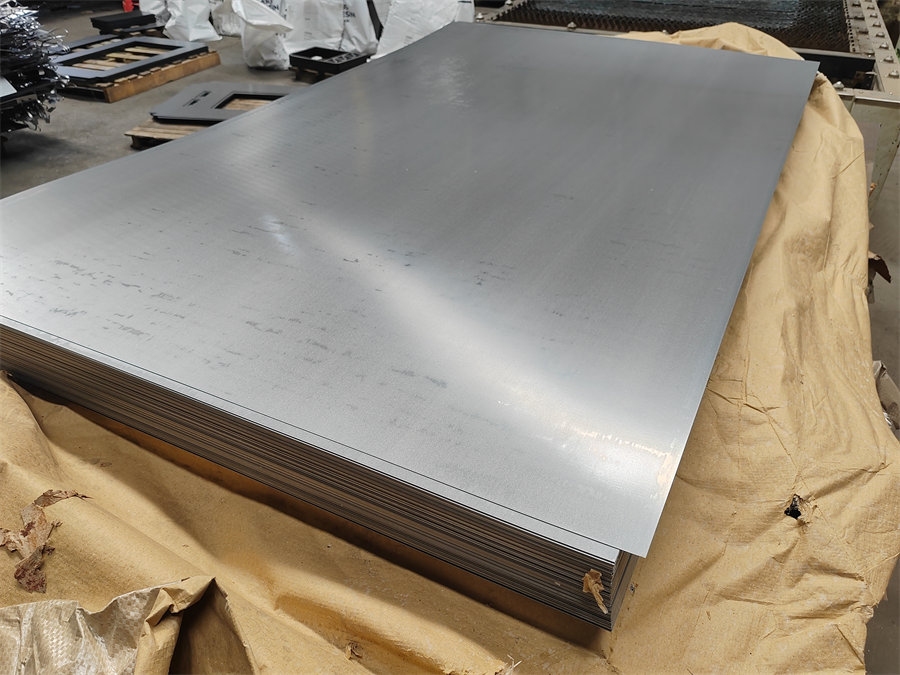
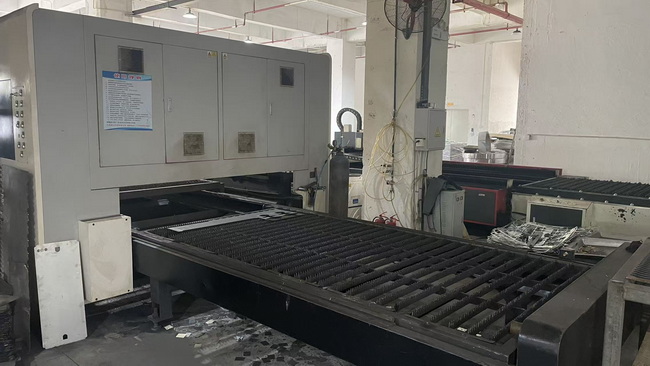
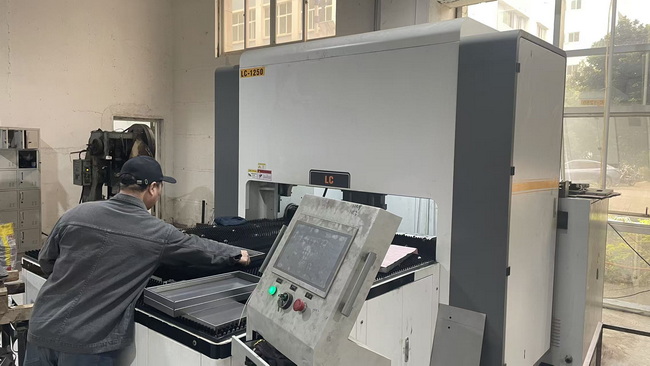
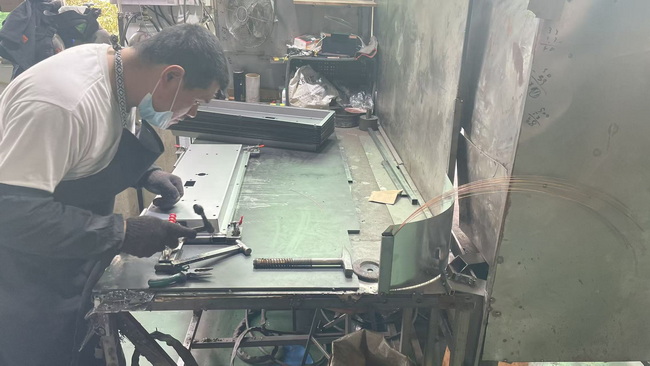
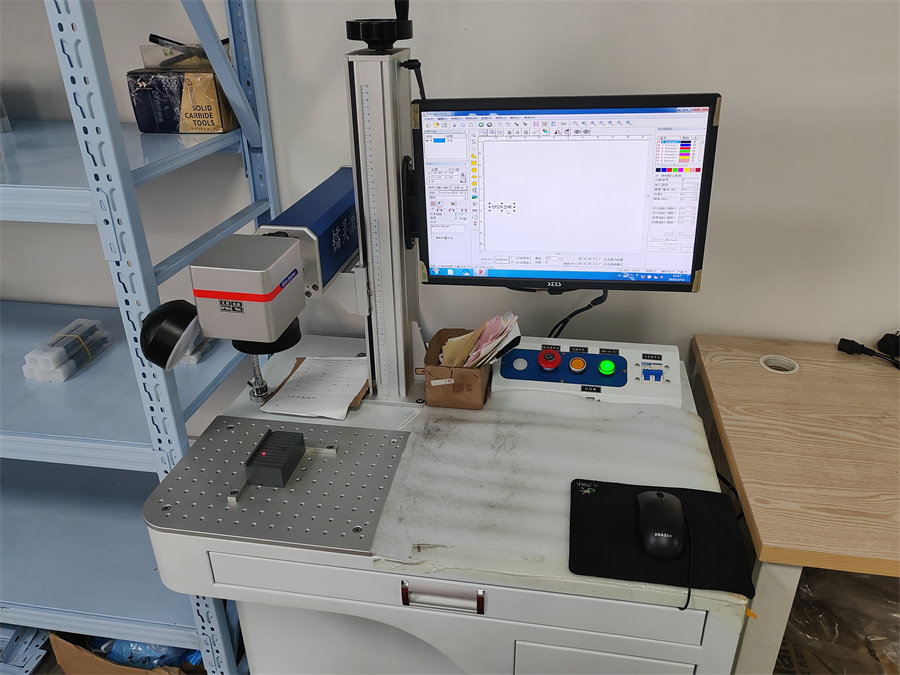
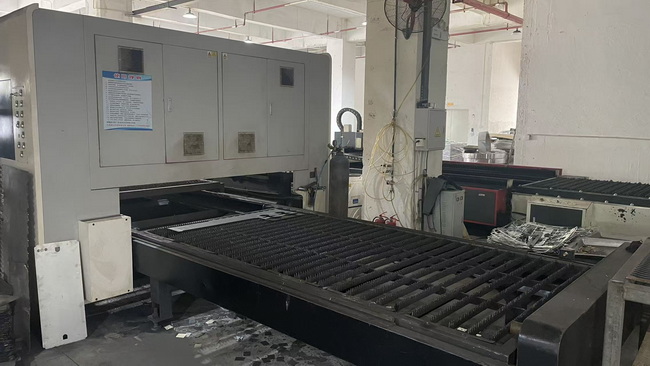
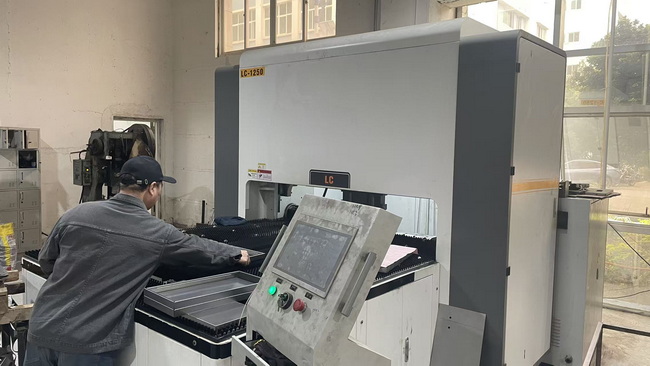
Explore our advanced manufacturing center where ultra-fine grain tungsten substrates are shaped, coated, and inspected under strict tolerances.

The manufacturing sector is progressing through a phase of integration involving dry machining, minimal quantity lubrication (MQL), and high-feed processing. Solid carbide drill bits have adapted in several areas to support these techniques:
The performance limit of a solid carbide tool is determined by its sintering chemistry. Modern tools utilize sub-micron and nano-grain tungsten carbide (WC) substrates mixed with a Cobalt (Co) binder. By reducing the WC grain size to below 0.5 microns, the tool achieves a combination of high hardness and toughness. This helps prevent micro-chipping on the cutting edge when drilling challenging materials like Inconel or hardened steel.
To reduce thrust forces in aerospace assembly, contemporary drill designs incorporate complex geometries. Features such as self-centering split point geometries (commonly 135° to 140°) and variable helix angles help manage dynamic vibration harmonics. Accurate edge preparation—using brush honing or micro-blasting to apply a controlled radius (typically 10 to 30 microns)—strengthens the cutting edge, reducing the risk of chipping under high thermal loads.
Coatings act as a thermal barrier between the carbide substrate and the workpiece. For high-speed machining of aluminum and composites, Diamond-Like Carbon (DLC) and PCD coatings provide high hardness and a low friction coefficient, which helps prevent workpiece sticking and material buildup. For titanium and steel alloys, AlCrN and TiAlN coatings offer high oxidation temperatures, protecting the tool substrate even under dry cutting conditions.
"Optimizing internal coolant configurations (like 3D, 5D, and 8D geometries) ensures fluid reaches the drill tip directly. This assists with chip evacuation and cooling, which helps prevent chip packing—a primary cause of micro-drill failure in deep hole drilling."
High-hardness coatings and customized micro-geometries engineered to extend tool life in continuous manufacturing runs.
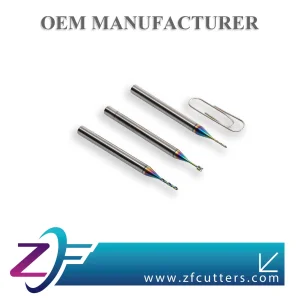
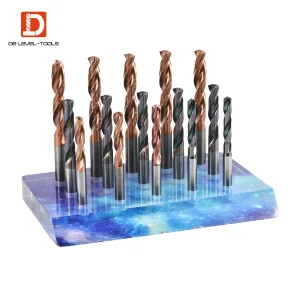
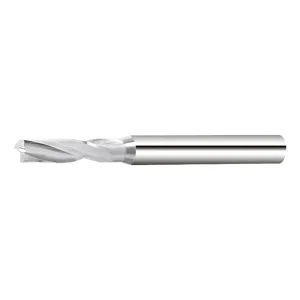
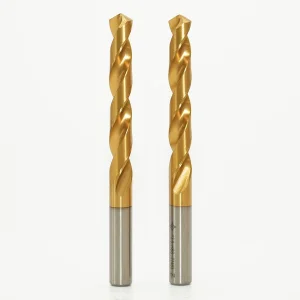
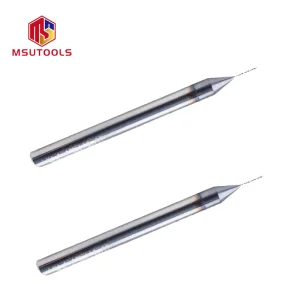
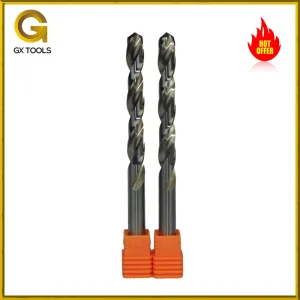
Browse our complete selection of solid carbide tooling options, including internal coolant drills, thread mills, micro-drills, and PCD reamers.
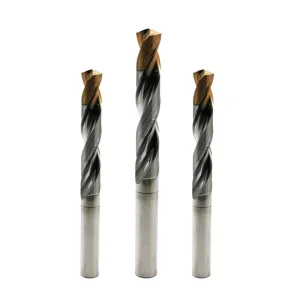
In-depth answers to typical technical questions from CNC operators and procurement engineers regarding solid carbide tooling.
Solid carbide drill bits provide significantly higher hardness and elastic modulus compared to High-Speed Steel (HSS) and Cobalt alloys. This allows carbide tools to maintain their cutting edge sharpness at higher operating temperatures and cutting speeds. In aerospace materials like Titanium (Ti-6Al-4V) or Carbon Fiber (CFRP), carbide helps prevent tool deflection and reduces the rate of thermal wear, leading to more consistent dimensional tolerance and finish quality.
Internal coolant channels deliver cutting fluid or air directly to the drill point, bypassing the restriction of the chip flutes. This localized cooling helps control temperatures at the cutting edge and aids in continuous chip evacuation. Direct chip flushing is particularly useful for preventing chip clogging when drilling deep holes (5D to 8D depths) or machining long-chipping materials like stainless steel.
Delamination occurs when the thrust force of the drill exceeds the interlaminar strength of the polymer composite. To counter this, specialized carbide drills for composites feature high positive rake angles, reduced chisel edge lengths, and sometimes multi-angled points (like dagger or double-angle drills). These features shear the composite fibers cleanly rather than pushing them through the exit plane, which helps limit both exit delamination and fiber pull-out.
For titanium alloys, coatings like Titanium Aluminum Nitride (TiAlN) or Aluminum Chromium Nitride (AlCrN) are preferred due to their high oxidation resistance and hot hardness. For high-speed aluminum machining, coatings with a low friction coefficient and low affinity for aluminum, such as Diamond-Like Carbon (DLC) or Diamond (PCD), help prevent material adhesion (built-up edge) and maintain clean chip flow.
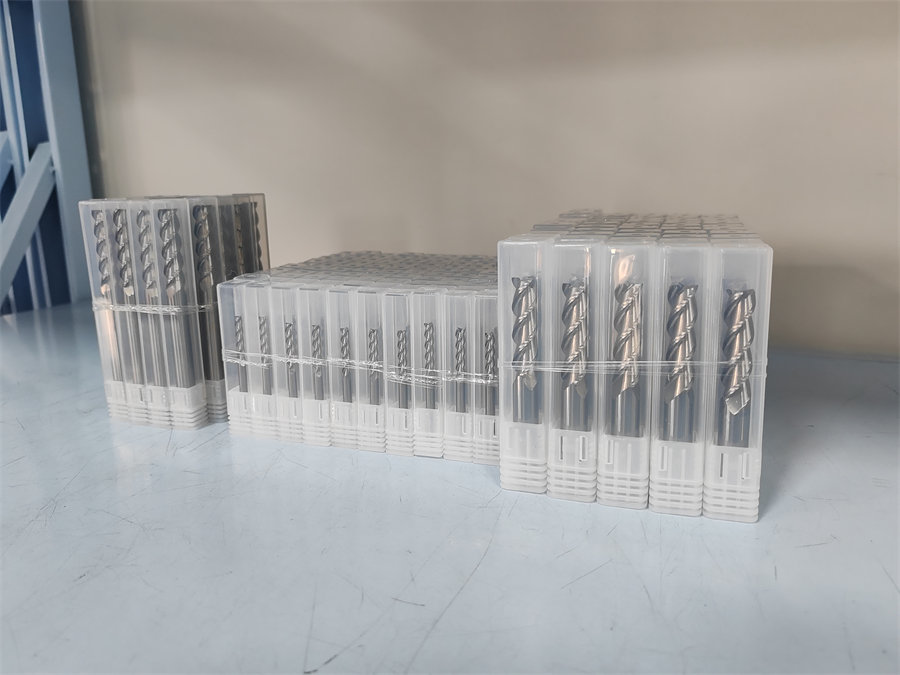
Our quality control process is based on automated multi-axis grinding setups and advanced metrology platforms. Every production run is monitored using 3D measuring systems like Zoller Genius, which verify critical features such as outer diameter, runout, and cutting edge radius. We maintain complete batch traceability for all tools, starting from the raw material substrate block through to the final packaging stage.
 Tier Tool