Explore our premium selection of industrial CNC tooling engineered for speed, finish quality, and extreme tool life.
In the modern era of high-speed manufacturing, high-precision subtractive machining demands tooling of unparalleled performance, durability, and resilience. As global supply chains undergo rapid decentralization and technological shifts, the requirement for premium-grade CNC router bits and carbide end mills has expanded far beyond basic material processing. Today, industries ranging from aerospace structures and automotive power units to micro-electronics, complex dental prosthetics, and architectural panel fabrication look to CNC tools to optimize their cycle times, surface finishes, and tooling longevity.
Historically, global procurement managers faced a structural trade-off: prioritize ultra-premium, high-cost tools manufactured in Europe and Japan, or opt for lower-cost, inconsistent tooling from developing markets that often resulted in premature tool failures and high scrap rates. However, the rise of advanced Chinese tool engineering has disrupted this dichotomy. Leading industrial exporters from China, such as Suzhou Tier Tool Co., Ltd., have established a new benchmark for high-performance cutting solutions. By integrating ultra-fine grain tungsten carbide substrates with proprietary chemical and physical vapor deposition (CVD/PVD) coating formulations, Chinese manufacturers now deliver tooling systems that match or exceed Western performance benchmarks while offering substantial cost-efficiencies.
Global procurement strategies are shifting towards "Value-Engineered Sourcing." Buyers are no longer seeking the cheapest tooling suppliers; instead, they are focusing on manufacturing partners capable of offering consistent tool life, customized geometry configurations, and localized engineering support. Key market drivers include:
The stereotype of labor-intensive tool production has been completely superseded by "China Factory 4.0"—a highly digitized, automated, and software-driven industrial ecosystem. By leveraging advanced Internet of Things (IoT) technologies, real-time telemetry, and smart factory integrations, Chinese tooling plants ensure extreme geometric consistency across millions of units.
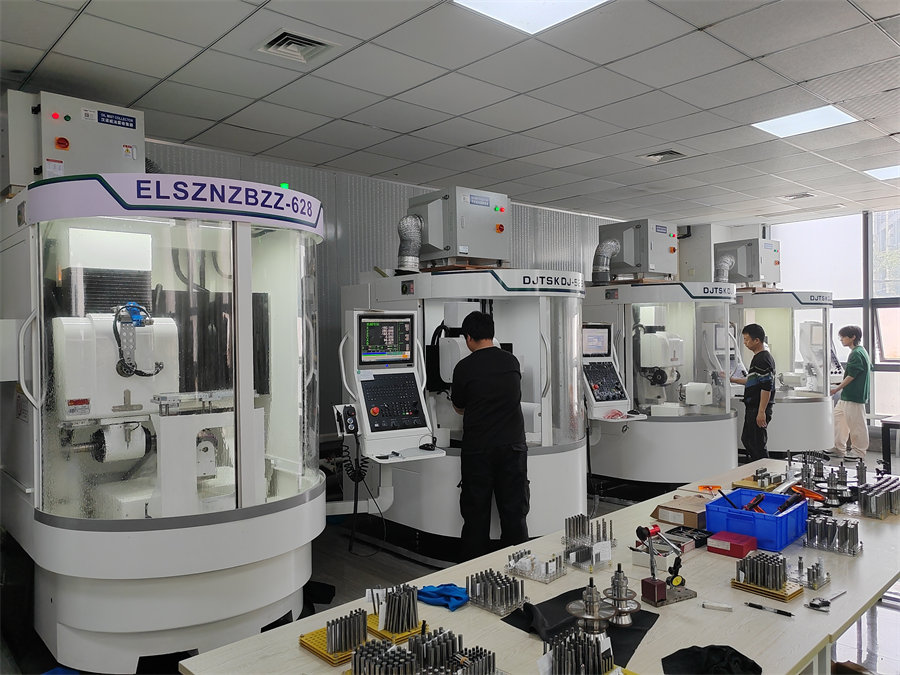
This manufacturing revolution is particularly evident in the production floor of specialized companies like Suzhou Tier Tool Co., Ltd. As a national high-tech enterprise established in 2008, Tier Tool has spent over a decade and a half focusing on the precision design, manufacture, and deployment of solid carbide cutting tools. The company’s production lines leverage automated CNC tool grinders integrated with closed-loop laser monitoring. If a tool's outer diameter shifts by even 2 microns due to thermal expansion on the grinding wheel, the machine’s automated control system makes micro-adjustments in real-time, completely eliminating off-tolerance products.
We source raw materials directly from leading chemical producers, utilizing sub-micrograin structures of tungsten carbide with varied cobalt content (typically 10% to 12%) optimized for hardness, resilience, and fatigue resistance.
Our tools feature variable helix configurations, unequal flute spacing, and specialized chip breakers designed to disrupt harmonic vibrations (chatter), resulting in superior surface finishes and extended machine spindle life.
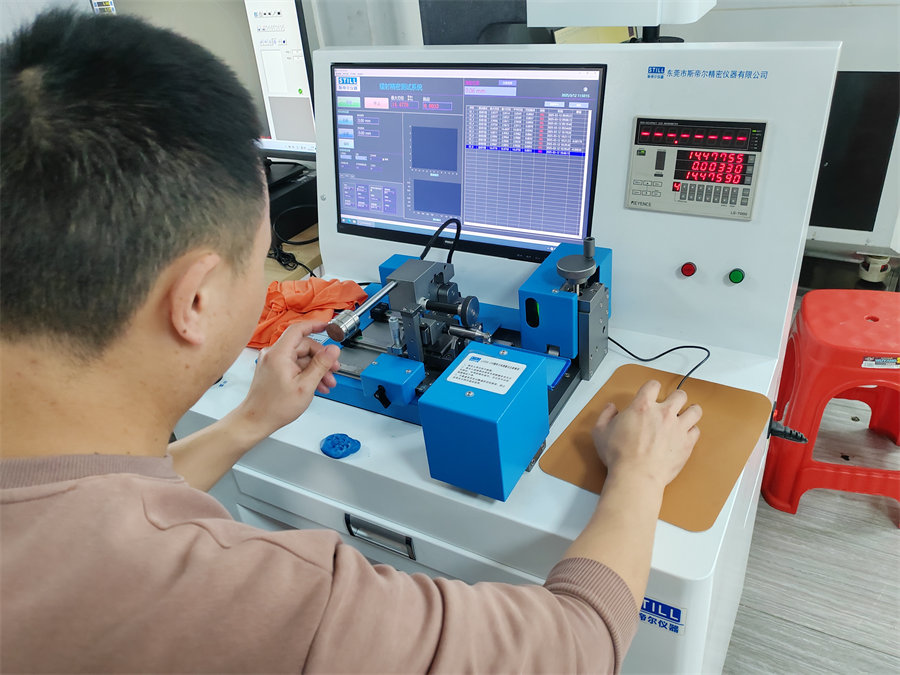
We enforce a strict 100% inspection standard. Every single tool batch is cross-referenced utilizing Zoller automated optical measuring systems, ensuring every dimension matches design schematics exactly.
Our manufacturing ecosystem spans two core operational facilities: the Solid Carbide Precision Tool Division and the Sheet Metal & Fabrication Machinery Division. This dual capabilities approach allows us to maintain a fully vertically integrated supply chain, from the raw material steel sheets, laser cutting, and bending structures, to the internal machining centers that design and test our cutters.
By maintaining complete control over tooling development and industrial sheet metal processing, Tier Tool can offer bespoke OEM services. Our dedicated technical support and application engineers analyze the customer's specific cutting environment, feed rates, spindle speed limitations, and workpiece material parameters. We then design and manufacture custom router bits specifically optimized for that environment, maximizing material removal rates (MRR) and minimizing cycle time.
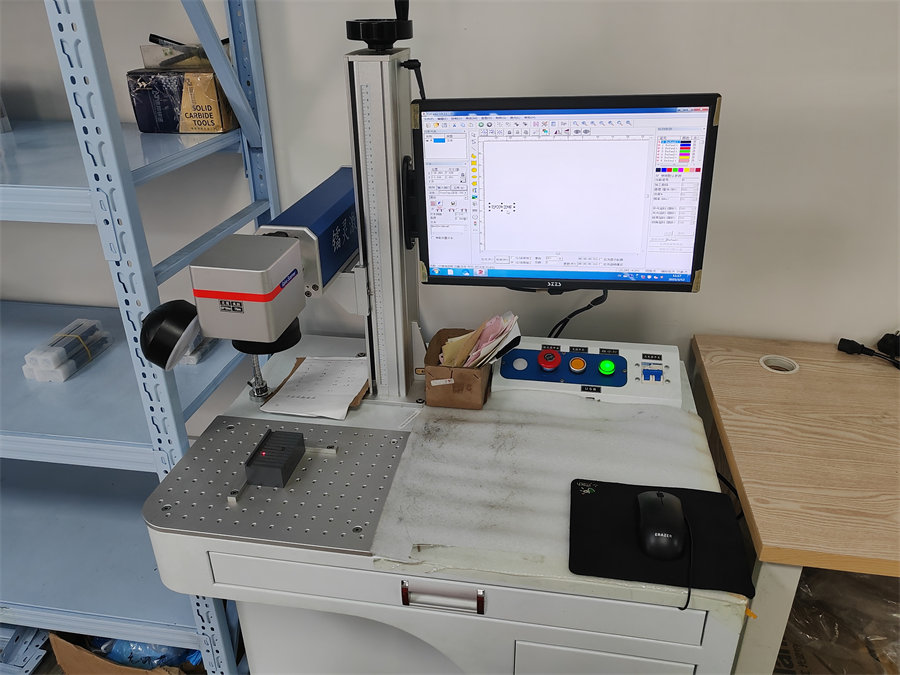
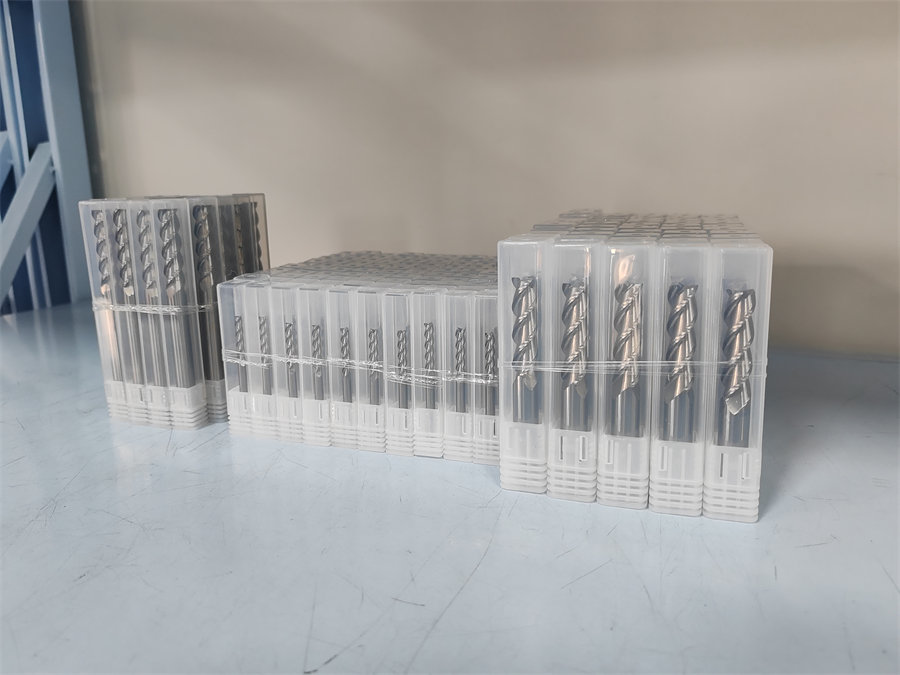
A visual breakdown of Tier Tool's state-of-the-art facilities, covering tool grinding, high-precision inspection, sheet metal preparation, laser cutting, welding, and shipping preparation.
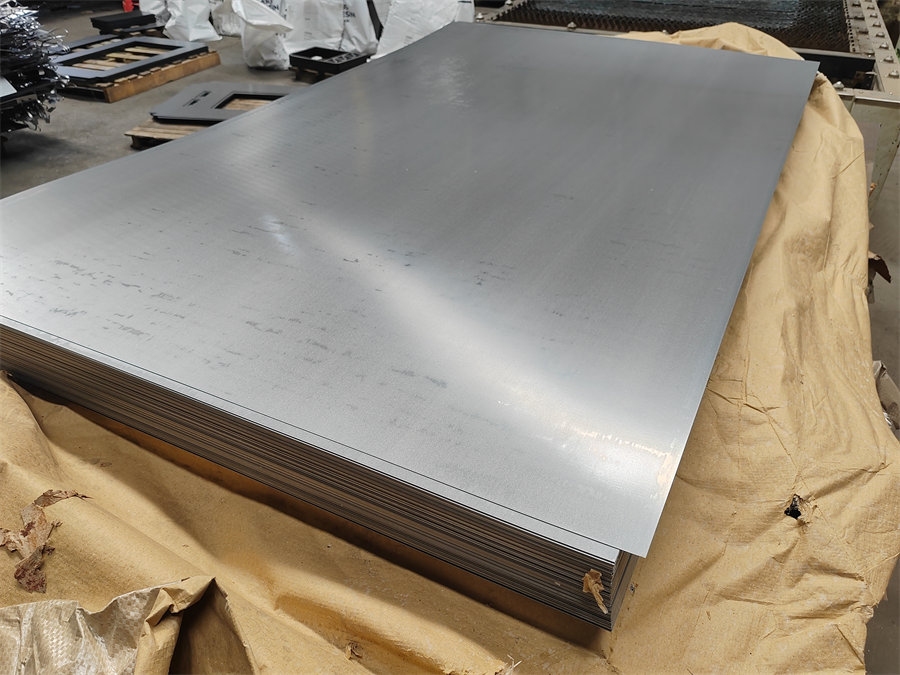
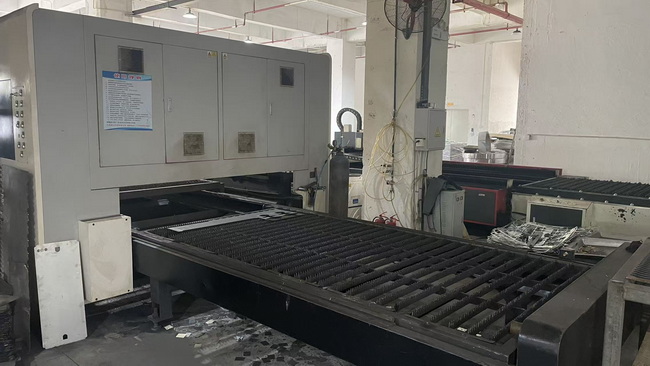
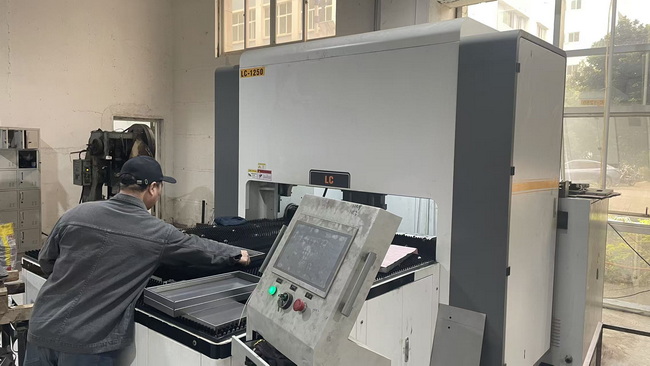
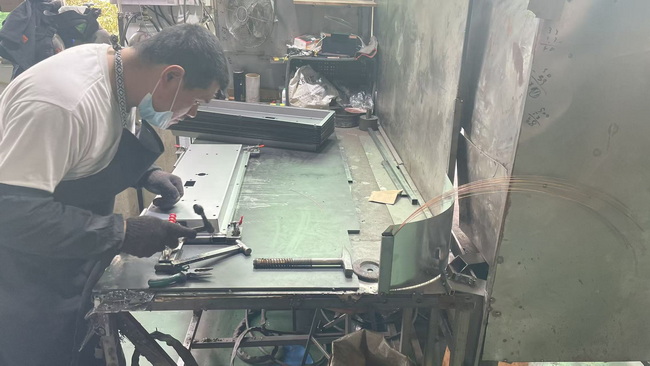
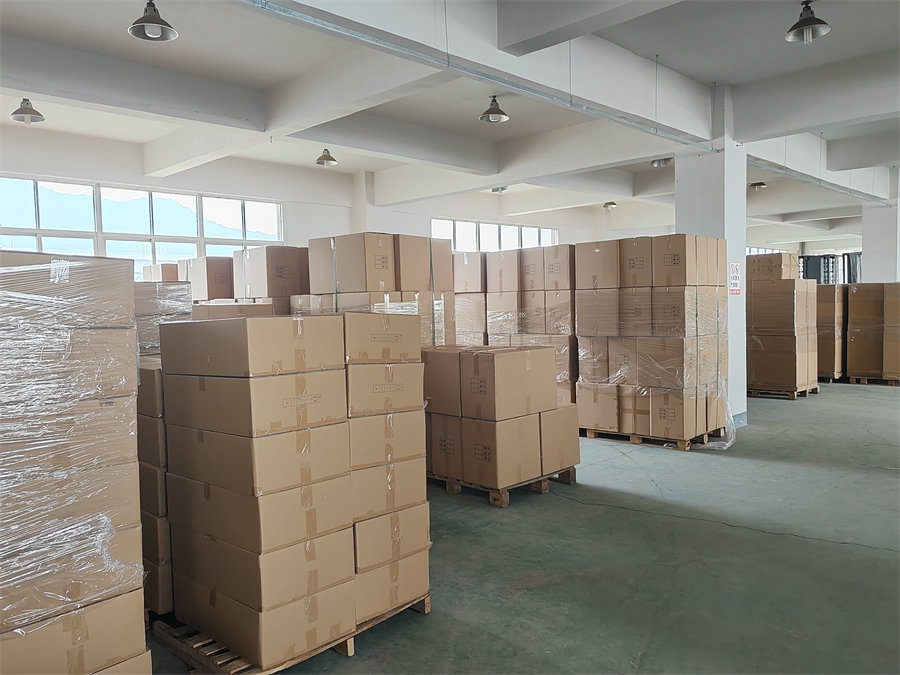
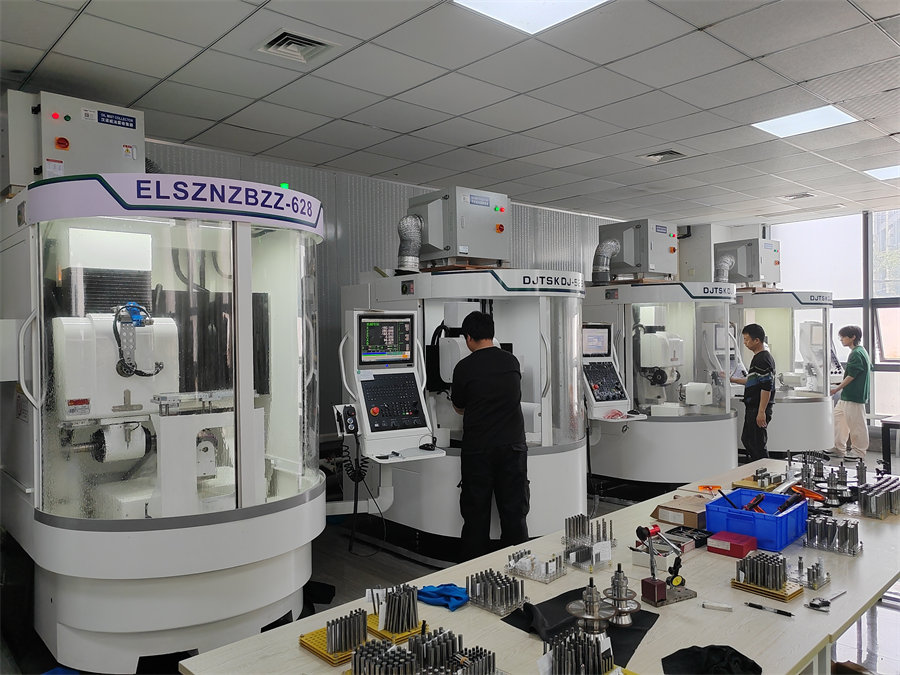
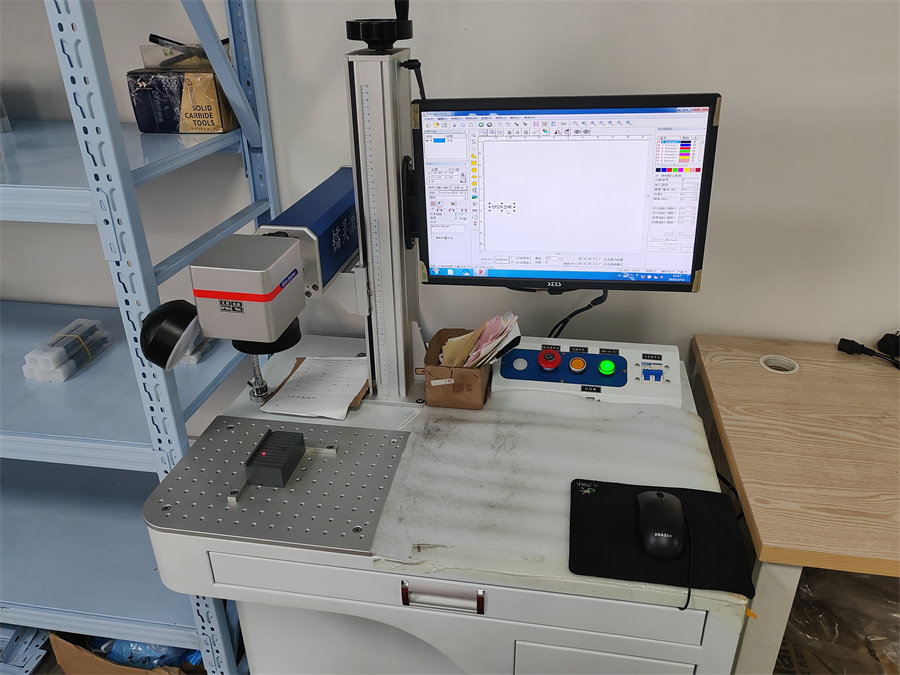
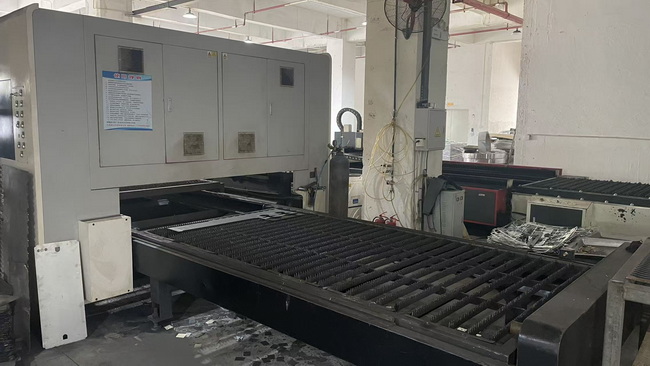
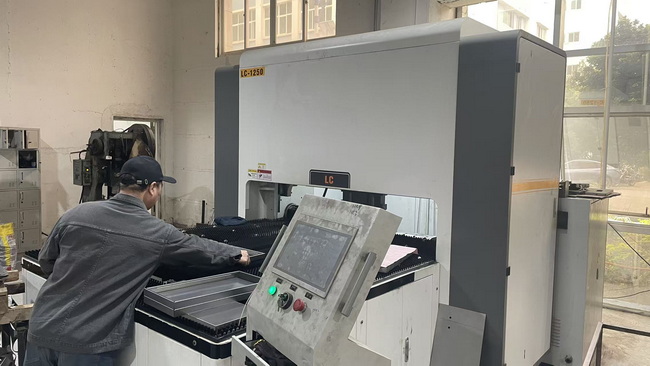
Selecting the ideal CNC router bit or milling cutter is highly dependent on the workpiece material’s chemical and structural characteristics. Standard, generic cutters fail to handle the unique thermal profiles of advanced alloys, composites, and plastics. Below, we detail localized application scenarios and the exact tooling configurations engineered to address them:
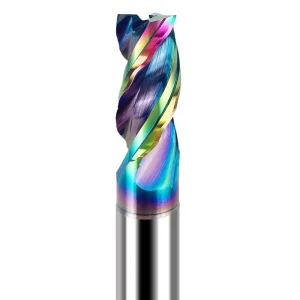
Aluminum has a low melting point and a strong tendency to stick to the tool flute (Adhesive Wear). When machining parts like aircraft structural brackets or automotive blocks, specialized geometry is vital. The Jimmy DLC Coated Tungsten Carbide Wave Edge End Mill is designed with 3 flutes and a high helix angle (typically 45 degrees). This design quickly evacuates hot aluminum chips before they stick to the cutting edge.
The implementation of a Diamond-Like Carbon (DLC) coating is a game changer here. With an extremely low friction coefficient (often below 0.1) and high hardness, the DLC coating acts as a physical barrier. This reduces cutting forces, prevents Built-Up Edge (BUE), and allows operators to increase feed rates by up to 40% without risking tool breakage.
In die casting and plastic injection mold manufacturing, tooling must mill pre-hardened steels like P20, H13, and D2. These tough materials create intense friction, generating temperatures at the cutting zone that can exceed 800°C. Standard carbide tool edges degrade quickly under these conditions.
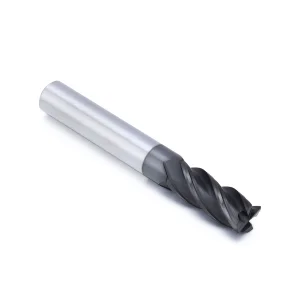
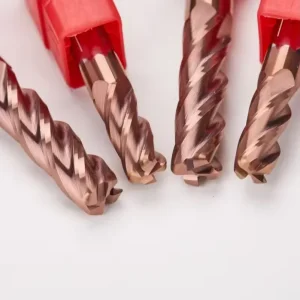
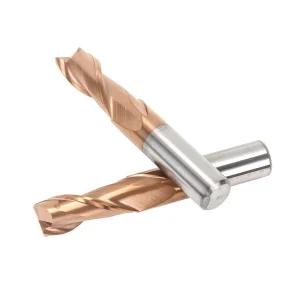
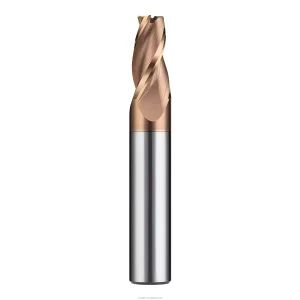
To solve this, Tier Tool designs solid carbide cutters like our HRC55 Corner Radius End Mills and 65HRC AlTin Coated Tapered End Mills. AlTin (Aluminum Titanium Nitride) coatings form a protective aluminum oxide layer at high temperatures. This layer directs heat into the chips rather than the tool core, preserving edge hardness and geometry even during continuous dry-milling operations.
Processing non-metallic, abrasive materials requires a completely different approach to wear resistance. Instead of traditional sharp-edged carbide flutes, tools must utilize industrial-grade diamond structures.
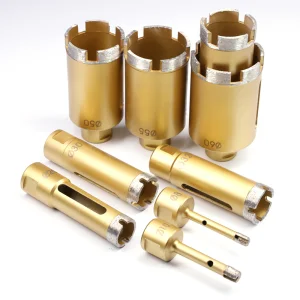
Our Vacuum Brazing Core Drill Bits use a high-temperature brazing process to secure premium diamond grains to the steel substrate. This design provides maximum bond strength, allowing the tool to grind through extremely hard surfaces like porcelain tile, marble, concrete, and fiber-reinforced plastics without fracturing the cutting head.
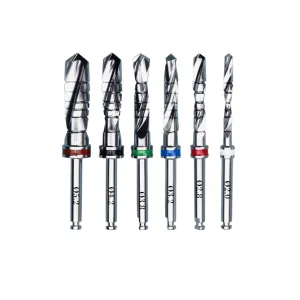
Medical and dental tooling demands the highest level of precision and biocompatibility. Our Implant Front Cutting Drill Guided Profile Drills undergo specialized grinding and passivation treatments to ensure microscopic dimensional accuracy. This guarantees minimal bone heating and vibration during surgical procedures, promoting patient safety and implant stability.
Critical engineering insights to resolve common machining issues, maximize tool life, and optimize feed rates.
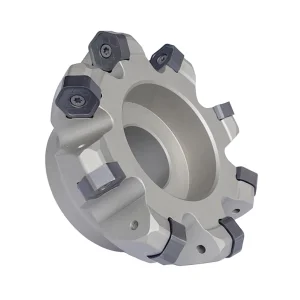
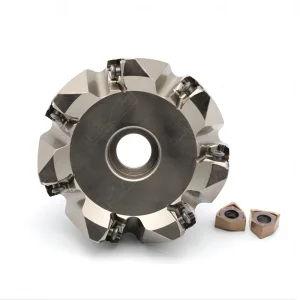
Explore our collection of HRC-rated end mills, indexable face mills, and specialized drilling heads for demanding applications.
 Tier Tool