Modern manufacturing is undergoing a paradigm shift, transitioning from heavy ferrous alloys to high-strength-to-weight ratio materials. Among these, engineering polymers, fiber-reinforced plastics (CFRP/GFRP), and polymer-matrix composites (PMCs) have become critical in aerospace structural engineering, EV battery packaging, electronic architectures, and medical devices. However, machining polymers presents extreme thermal challenges, tool wear, and material elasticity complexities that require dedicated geometric layouts and raw material purity.
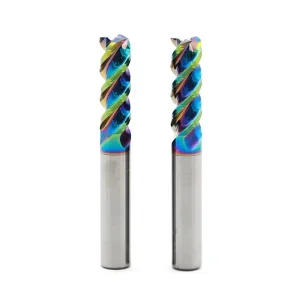
Delamination and fiber pull-out during carbon fiber routing demand highly polished flutes and specialized shearing geometries to maintain surface integrity and avoid costly component scrap rates.
The rise of Electric Vehicles requires high-volume machining of polymer-aluminum stacked panels. Tool wear and chip evacuation dynamics are key limiters in minimizing assembly cycle times.
High-end biocompatible thermoplastics like PEEK, PTFE, and UHMWPE require tools with extremely sharp cutting edges and bio-inert coatings to prevent thermal deformation and chemical contamination.
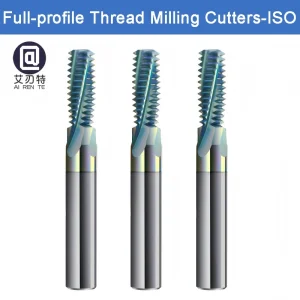
Established in 2008, Suzhou Tier Tool Co., Ltd. is a national high-tech enterprise specializing in the design, manufacturing, and application technical support of precision solid carbide cutting tools. We are deeply committed to the precision machining industry, focusing on delivering high-performance, high-efficiency cutting solutions for hole-making, milling, and customized thread operations.
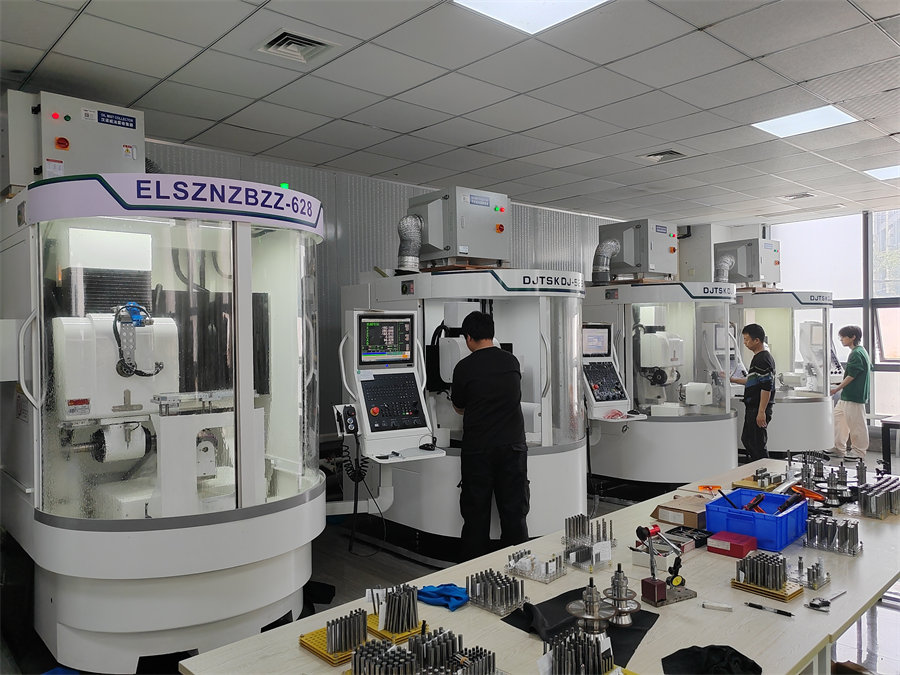
Through continuous technological innovation and manufacturing excellence, Tier Tool has earned the trust of customers across aerospace, automotive, electronics, and medical industries globally. Our complete in-house capabilities—from raw material inspection, tool design, prototyping to large-scale mass production—enable us to meet stringent localized demands for complex polymer and metalworking applications.
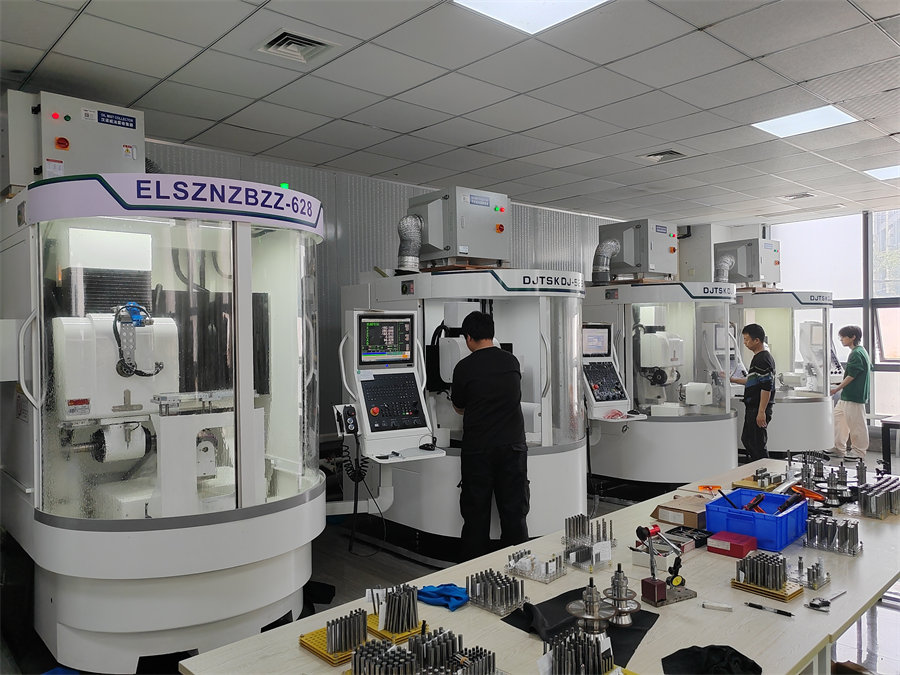
In the global tooling ecosystem, supply chain agility and speed-to-market determine competitive advantage. Chinese factories, particularly clusters in Jiangsu and Zhejiang, offer unmatched vertical integration. Suzhou Tier Tool utilizes this ecosystem by maintaining robust raw material channels—procuring premium sub-micron and nano-grain tungsten carbide substrates—ensuring consistency even during raw material shortages. This strategic position allows us to deliver high-performance tools at optimized cost structures with rapid turnaround times.
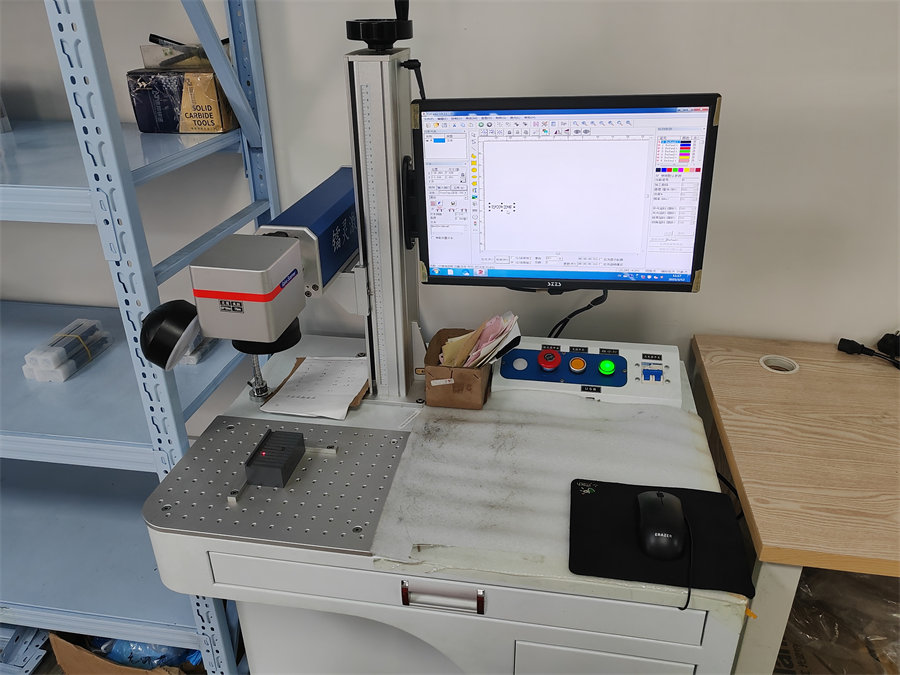
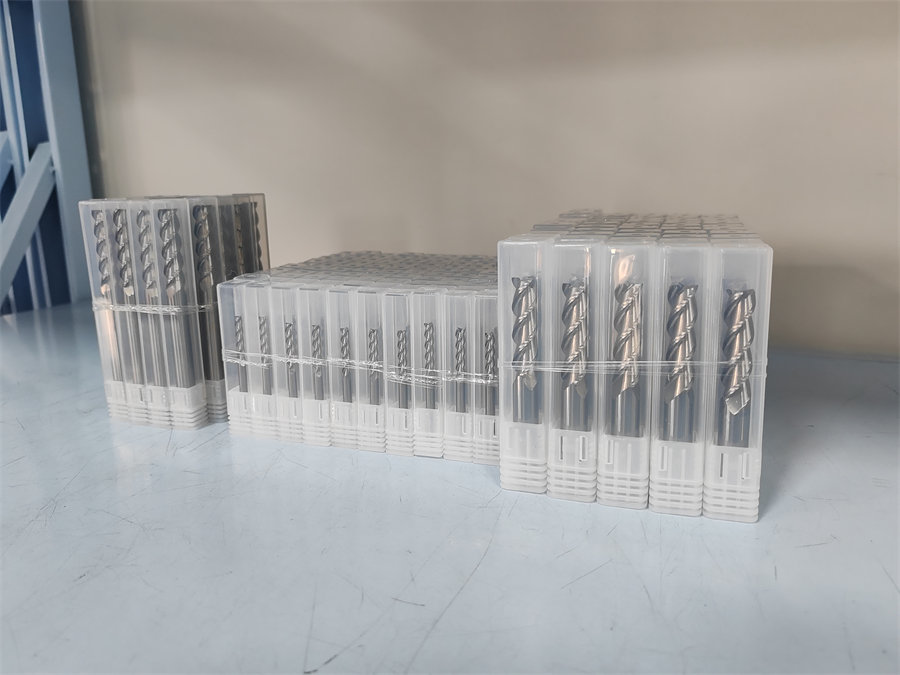
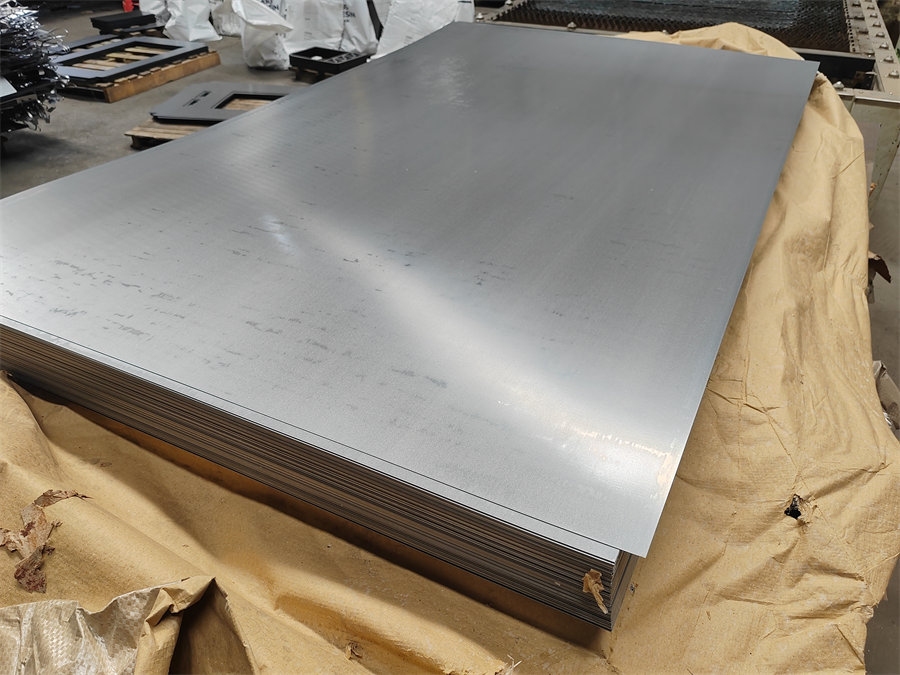
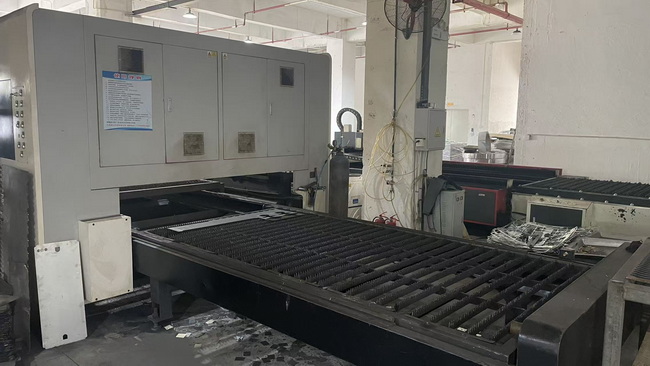
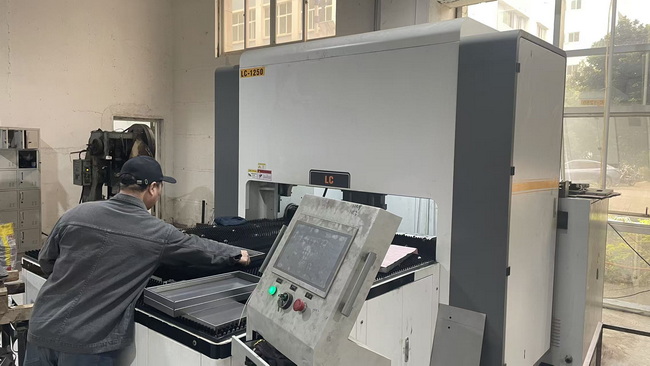
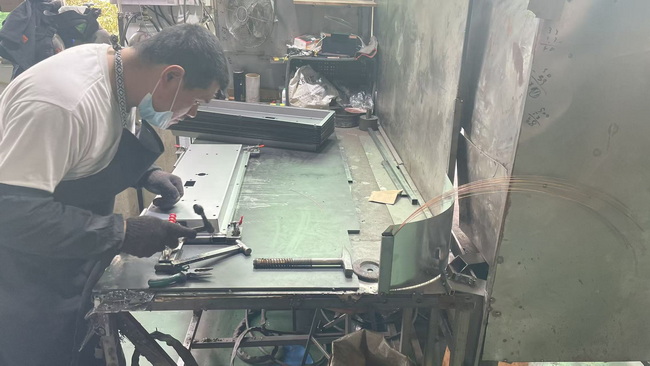
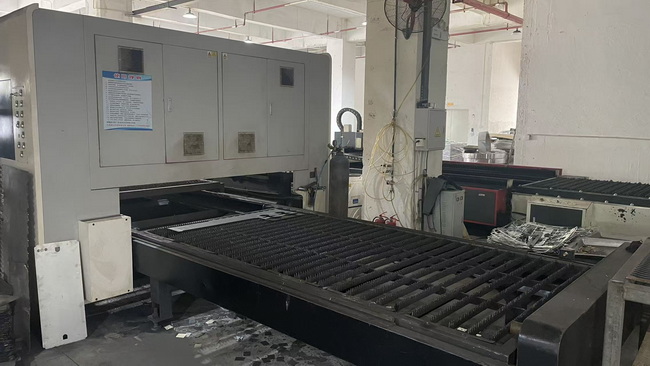
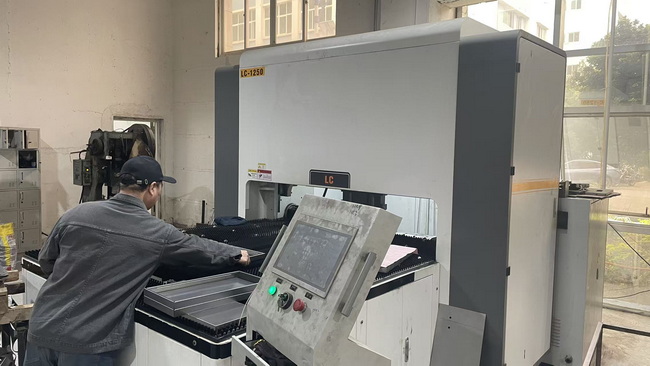
Every stage, from sheet processing to final packaging, is tracked by our trace-control system.

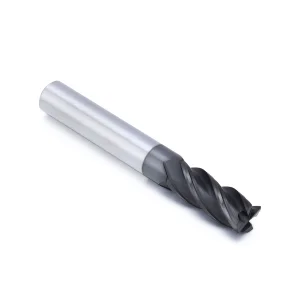
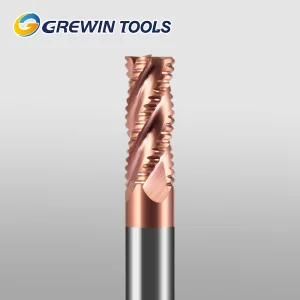
Unlike metals, polymers exhibit viscoelastic behavior—meaning they deform elastically under heat and pressure instead of forming clean, shearable chips. If the cutting edge is blunt, friction builds up instantly, leading to melting, burr formation, and out-of-tolerance parts. Suzhou Tier Tool customizes helical flute pathways and clearance angles to combat this heat generation.
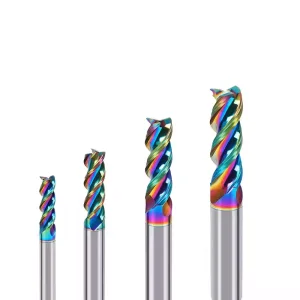
Extremely abrasive glass/carbon fibers quickly dull traditional tools. Our solid carbide tooling, combined with Polycrystalline Diamond (PCD) tips, offers resistance to wear, preserving dimensional tolerances across long production runs.
PMMA is brittle and prone to chipping at exits, while PEEK can deform. We use highly polished U-grooves and positive rake angles (up to 15°) to slice cleanly through materials, reducing tool pressure and preventing melting.
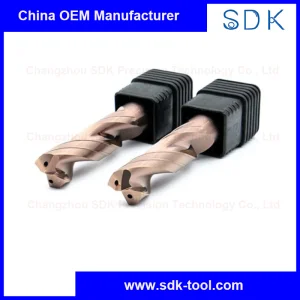
Commonly found in wings and EV structural boxes (CFRP joined to Aluminum). The tooling must cut two materials with different cutting speeds. Custom multi-step reamers and dual-edge drills resolve this dual-material challenge.
To extend tool life when machining abrasive composites and polymers, Tier Tool invests in coating innovation:
| Material Class | Core Failure Mode | Tool Strategy |
|---|---|---|
| CFRP / GFRP | Delamination / Abrasion | PCD / DLC Compression Router |
| PEEK / UHMWPE | Melting / Burr Formation | Polished Flutes / Positive Rake |
| Aluminum Alloys | Built-up Edge (BUE) | U-Grooves / AlTiN Coated Carbide |
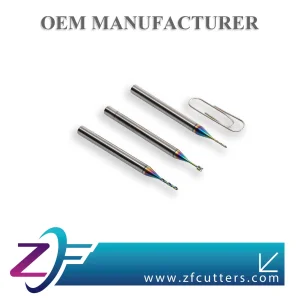
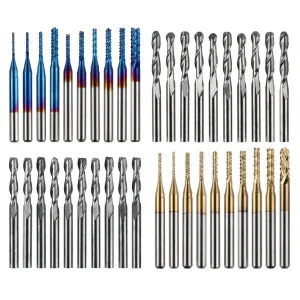
| Polycarbonate / PMMA | Chipping & Cracking | Ultra-Sharp Micro-Drills (0.7mm) |
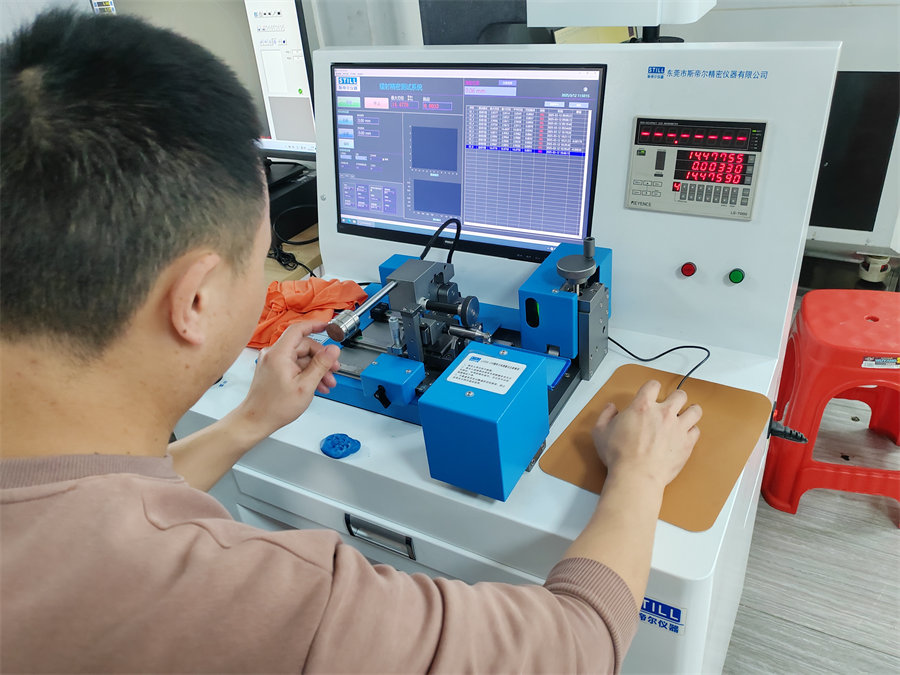
Precision cutting is more than just manufacturing a tool; it requires systematic replication. At Suzhou Tier Tool, we implement a quality assurance system that monitors and tests every production batch. Our incoming carbide rods undergo ultrasonic void analysis, and finished geometries are verified using advanced optical measurement systems.
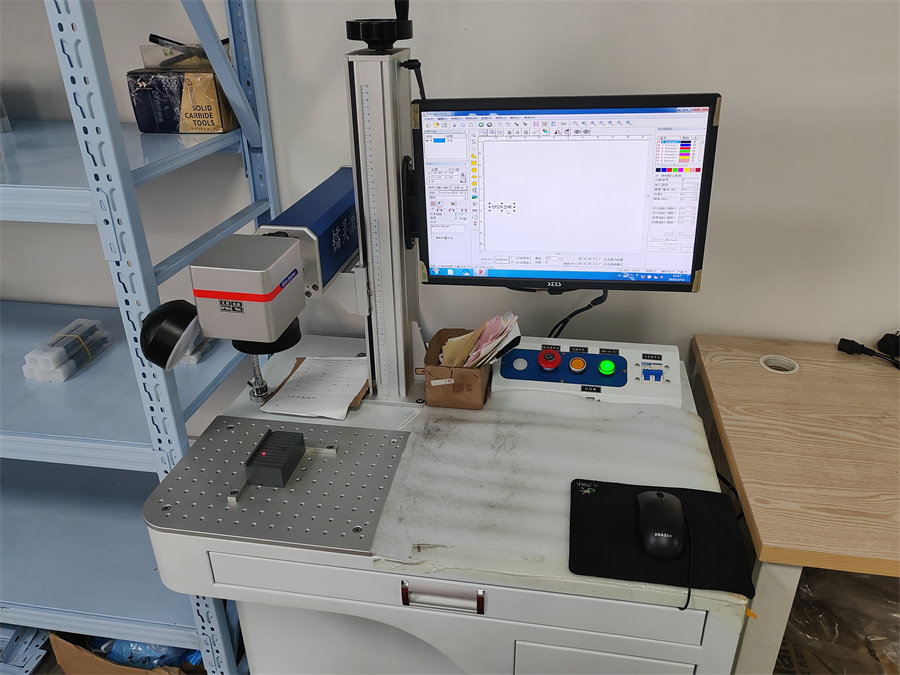
Every single tool batch is tied to a specific carbide rod production number, giving us full trace-control over substrate chemistry, hardness rating, and cobalt density.
Using precision inspection machines, our tools undergo cutting edge radius (honing) checks, core diameter verification, and runout inspection.
We work directly with customers to optimize machining parameters. We assist in modifying feed speeds, rpm targets, and coolant delivery to maximize tool life.
 Tier Tool