Precision Solid Carbide Tooling & Intelligent Industrial Solutions for Global Manufacturing
Explore our flagship catalog of industrial-grade cutting bits engineered for solid wood, composites, plastics, and non-ferrous metals.
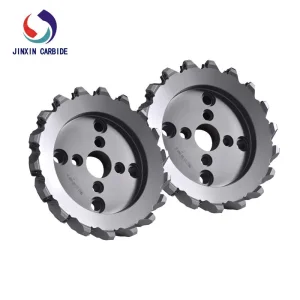
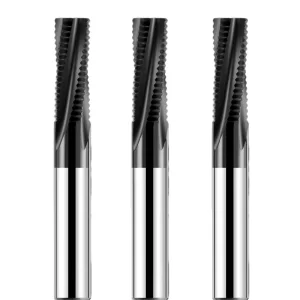
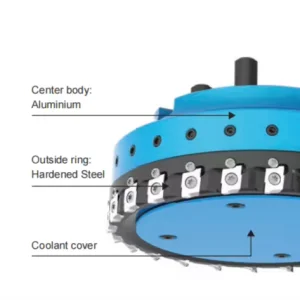
The global woodworking industry has shifted rapidly from traditional craft manufacturing to high-speed, automated, and computer-controlled operations. At the heart of this revolution is the cutting tool. Today’s industrial CNC machinery demands wood cutting bits that can withstand high temperatures, dissipate abrasive dust efficiently, and maintain clean cutting edge profiles over long operational cycles.
Historically, High-Speed Steel (HSS) dominated woodworking tools. However, the modern production of engineered materials—such as Medium-Density Fiberboard (MDF), High-Density Fiberboard (HDF), oriented strand board (OSB), and various particle boards held together by abrasive chemical binders—has rendered traditional tool materials obsolete. Manufacturers now rely heavily on Solid Carbide and PCD (Polycrystalline Diamond) tools to ensure product durability, clean edge finish, and minimized down-time.
Utilizing micro-grain and sub-micron tungsten carbide substrates provides the optimal balance of toughness and wear resistance, maintaining sharp edges under extreme stress.
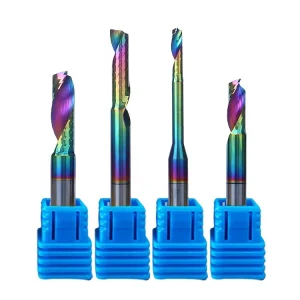
Protective nanostructured coatings, such as AlTiN (Aluminum Titanium Nitride) and Diamond-Like Carbon (DLC), mitigate thermal transfer and reduce resin adhesion.
Precision-ground helical angles and flute designs accelerate chip extraction, keeping the cutting zone cool and preventing material discoloration.
Industrial procurement departments in Europe, North America, and Southeast Asia look beyond unit price when sourcing wood cutting bits. The modern metric of success is the **Cost Per Cut (CPC)**. A cheaper tool that fails prematurely or causes workpiece tear-out increases operating expenses dramatically through down-time, labor costs, and wasted materials.
Key global procurement considerations include:
Years Engineering Experience
Machining Tolerances
Strict Optical QC Inspection
Support for Custom Layouts
In solid carbide tool manufacturing, the grade of the tungsten carbide matrix determines the ultimate performance. Superior suppliers use virgin powder with precise cobalt content (ranging from 6% to 12% depending on the application). Suzhou Tier Tool ensures that recycled material is never introduced into premium lines, assuring structural integrity and predictable wear profiles.
Located in the heart of China’s advanced precision manufacturing hub, **Suzhou Tier Tool Co., Ltd.** operates at the forefront of China's Industry 4.0 transformation. Established in 2008, the national high-tech enterprise integrates design, testing, production, and technical validation under one roof.
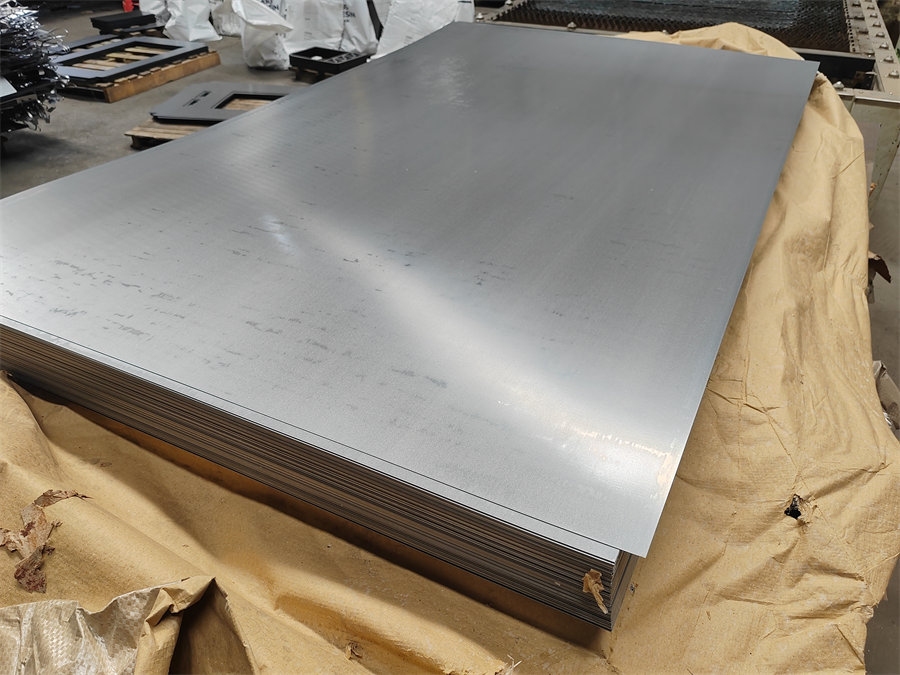
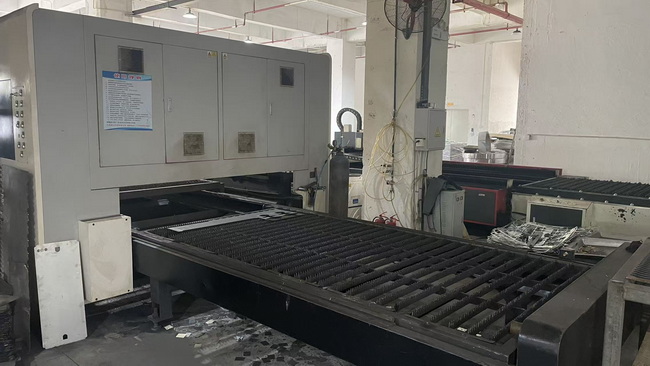
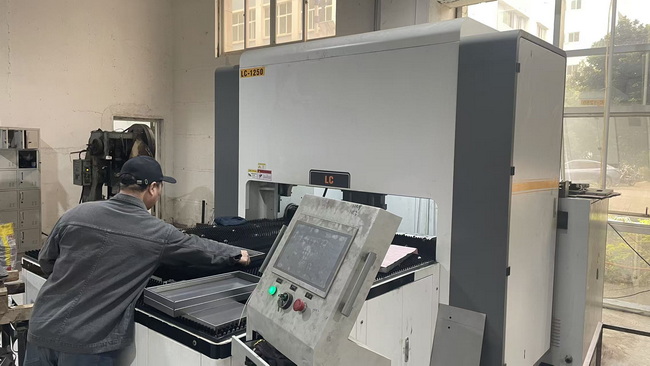
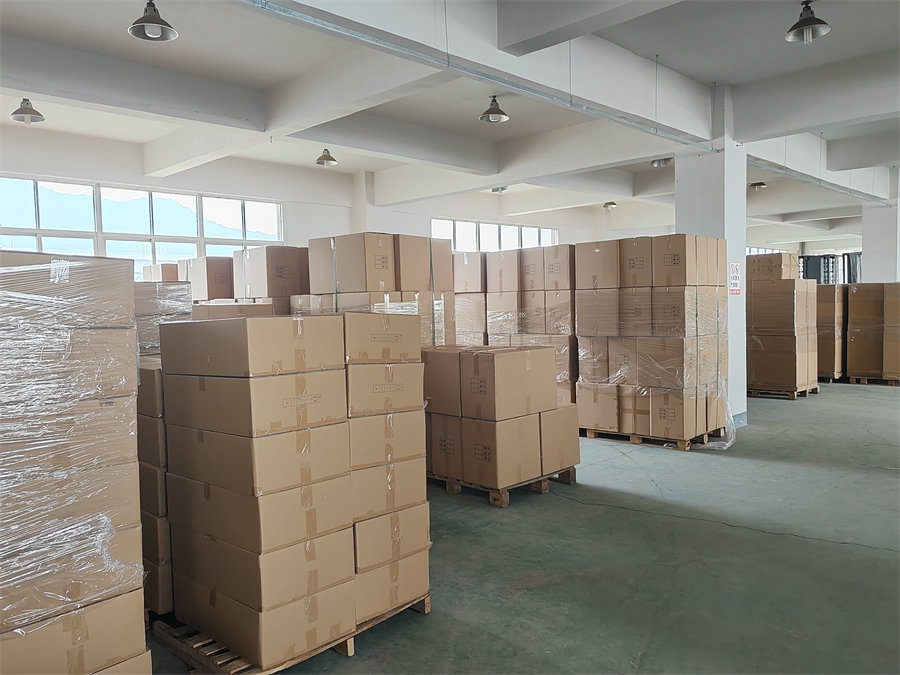
By investing in state-of-the-art multi-axis CNC grinding machines (including specialized machines for laser cutting, bending, and precise tool sharpening), Suzhou Tier Tool balances high-volume manufacturing with exceptional flexible custom-run capacity. Through computerized process monitoring and advanced logistics, we guarantee structural integrity, repeatability, and fast lead times for our global partners.
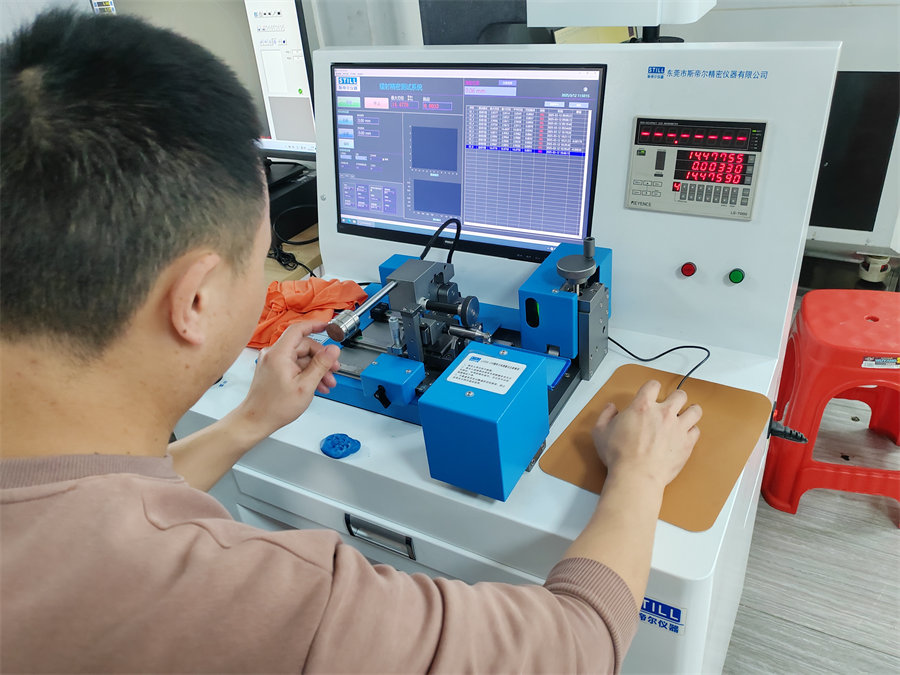
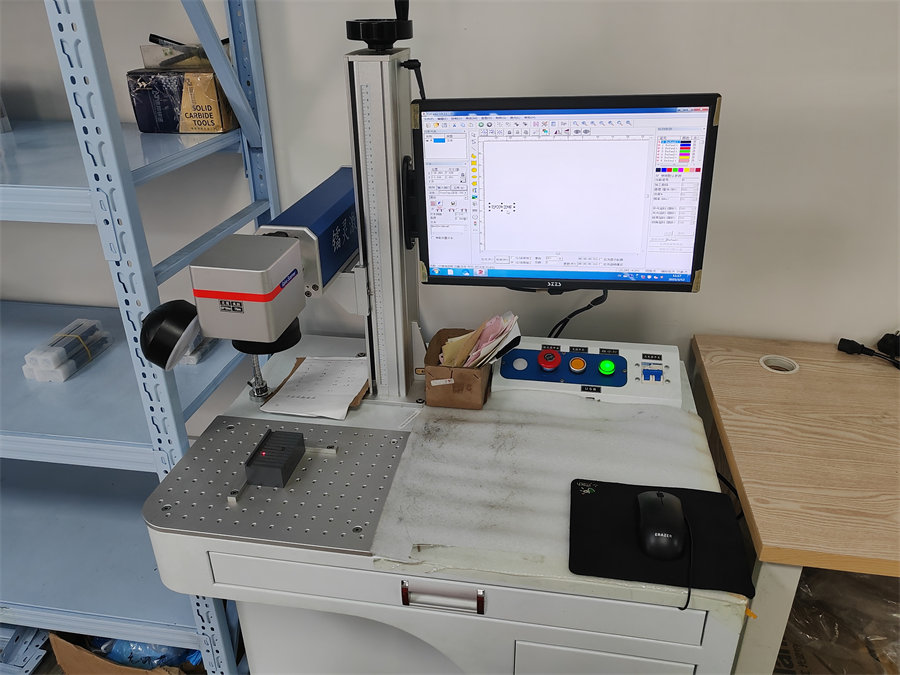
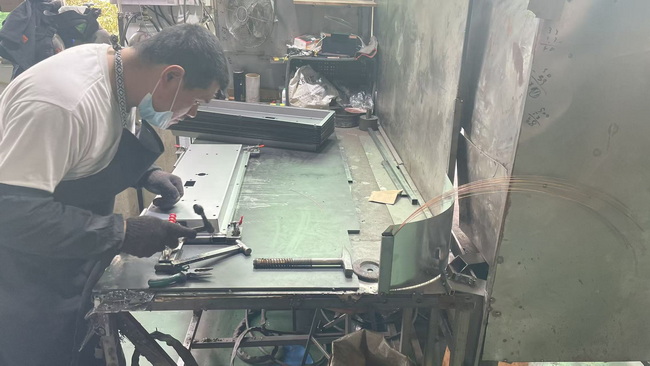
Every step of our production lifecycle is monitored with automated tracking and meticulous inspection to guarantee consistent performance.
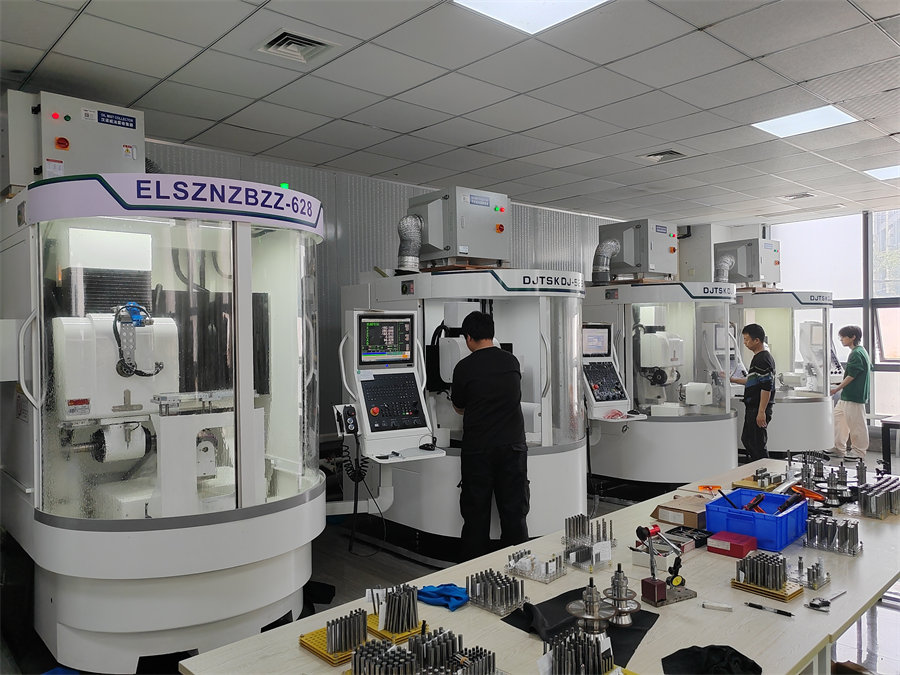
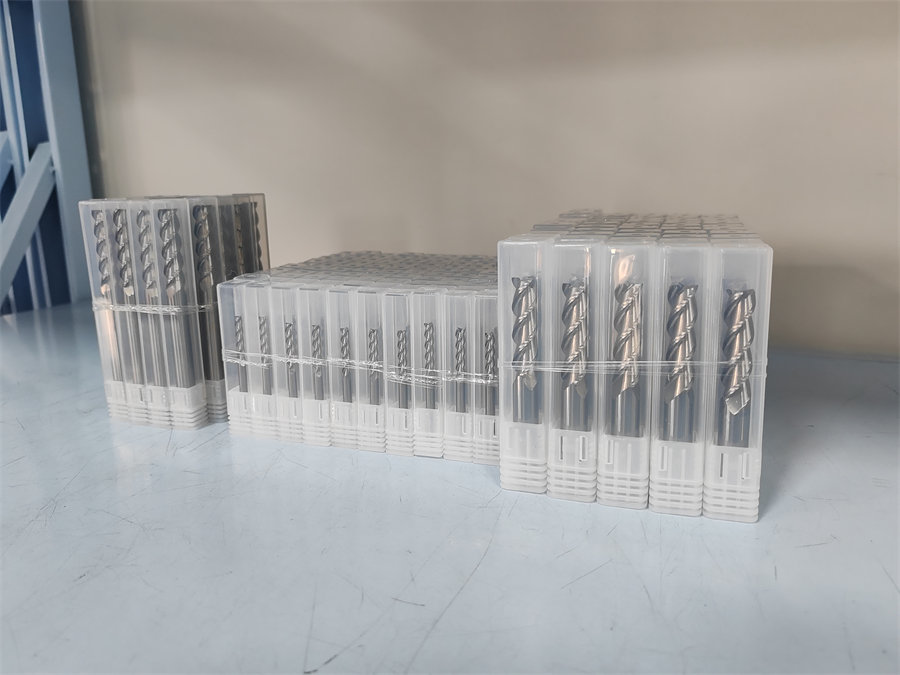
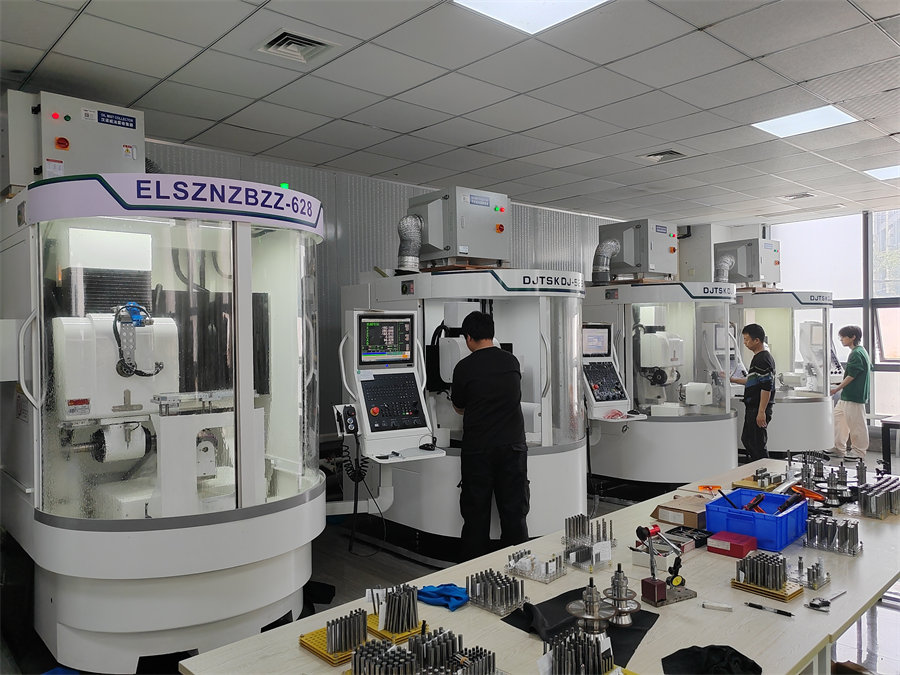
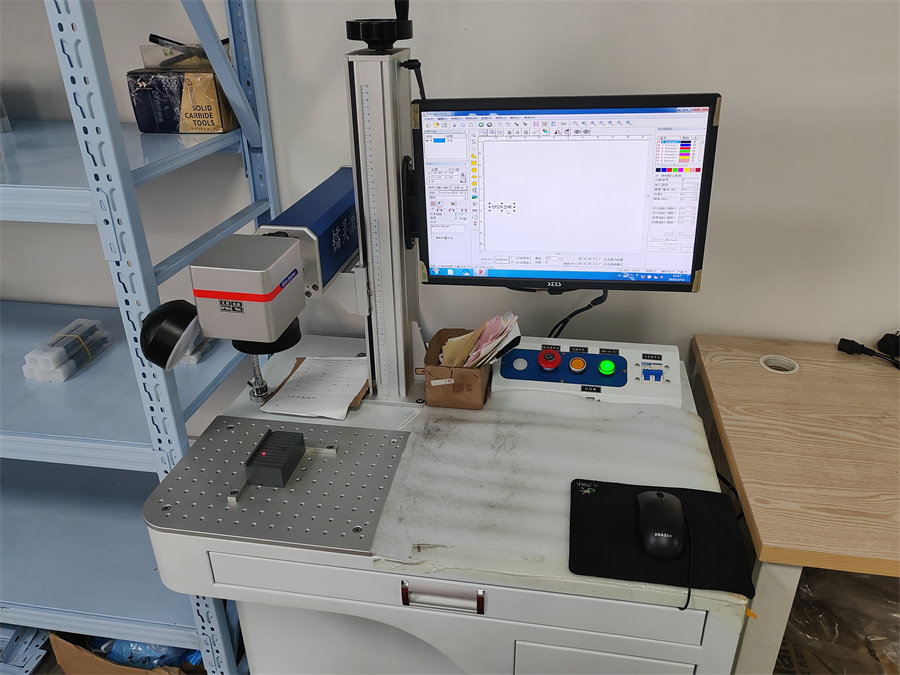
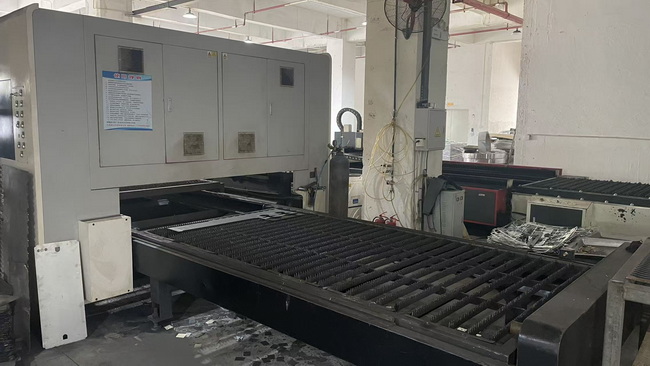
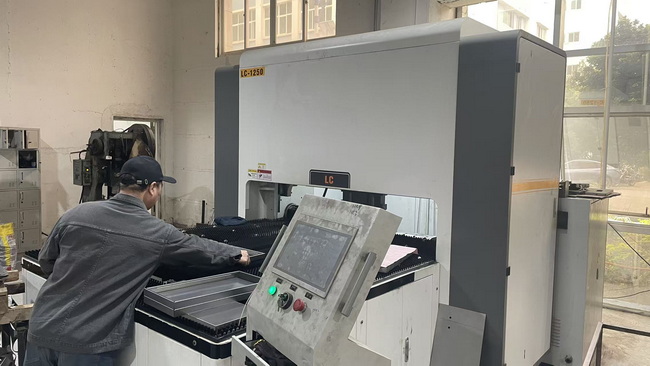
Precision woodworking requires different tools for different materials. By aligning tooling geometry with localized application needs, Suzhou Tier Tool provides maximum reliability across varied sectors:
Machining dense hardwoods (such as oak, walnut, and maple) requires high rake angles and razor-sharp cutting edges to prevent fiber crushing and tear-out along the cross-grain.
Due to the highly abrasive resin binder used in composite sheets, tools designed with compression geometry and special coatings ensure both top and bottom veneers remain defect-free.
Single flute up-cut geometries prevent plastic from melting by evacuating chips rapidly. The ultra-polished flutes ensure zero material build-up inside the tool channel.
In-depth responses to technical queries from procurement departments and tooling engineers.
Solid carbide offers significantly higher hardness (often reaching over 90 HRA) and thermal stability compared to HSS. This enables carbide tools to run at three to four times the speed and feed rates of HSS while maintaining sharp cutting edges. This translates directly to cleaner cuts, reduced sanding labor, and up to ten times longer operational lifespans when cutting abrasive engineered boards.
Cobalt serves as the binder metal in tungsten carbide. A lower cobalt percentage (around 6-8%) increases the overall hardness and wear resistance, making it ideal for clean cutting of abrasive boards like MDF. A higher cobalt percentage (10-12%) increases impact resistance and toughness, reducing the likelihood of tool chipping when cutting knotted hardwoods or experiencing unexpected impact on CNC nesting machines.
For high-pressure laminates and heavily bonded MDF, we recommend advanced coating options like Diamond-Like Carbon (DLC) or Polycrystalline Diamond (PCD) tipped bits. For high-speed applications where thermal build-up is critical, AlTiN or TiAlN coatings provide a protective oxide barrier that shields the carbide core from heat degradation, increasing tool longevity by up to 300%.
Yes. We specialize in custom OEM tool design. Through our advanced software and CNC profile grinders, we can customize shank size, flute lengths, multi-step angles, chamfers, and countersinks to combine multiple drilling and profiling operations into a single step, boosting production cycle efficiency for our clients.
Consistency is maintained through a robust quality loop. We operate high-end German and Swiss-made CNC tool grinding machinery alongside Zoller optical inspection stations. Every batch undergoes 100% geometric control, ensuring runout is kept below 0.005mm and tolerances are strictly monitored. We also maintain raw material batch traceability.
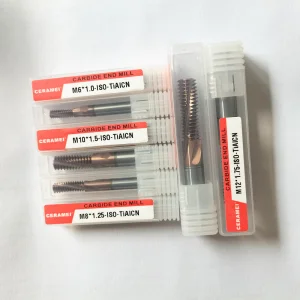
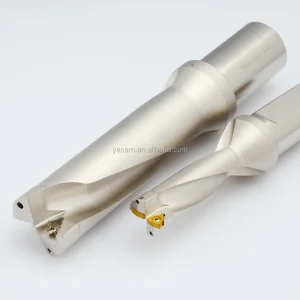
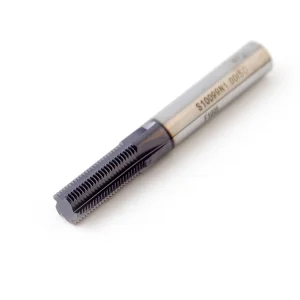
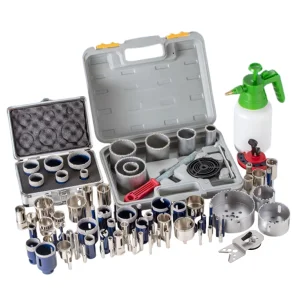
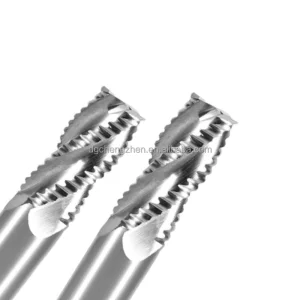
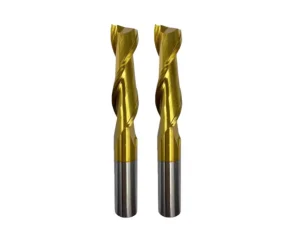
Explore our industrial milling cutters, high-speed threading mills, and application-specific tools designed to perform in challenging production environments.
 Tier Tool