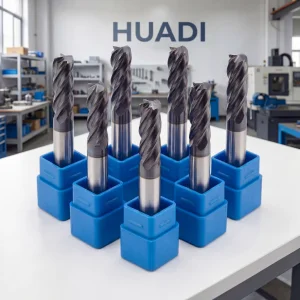
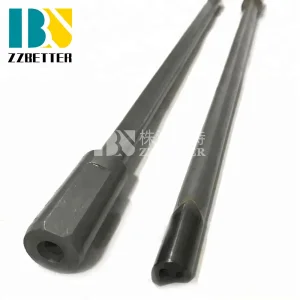
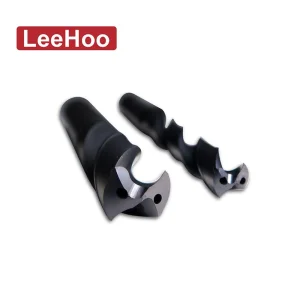
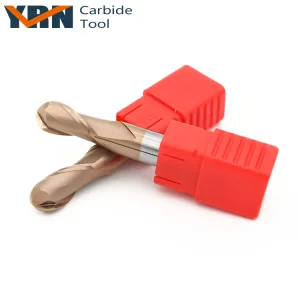
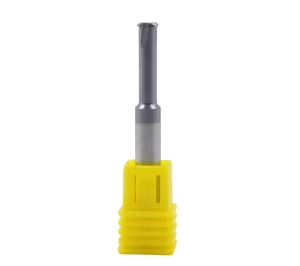
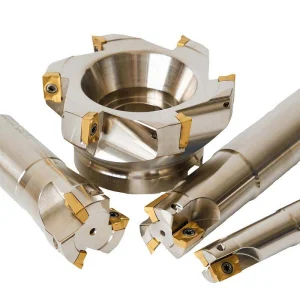
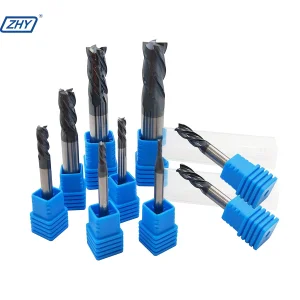
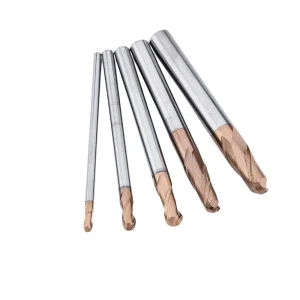
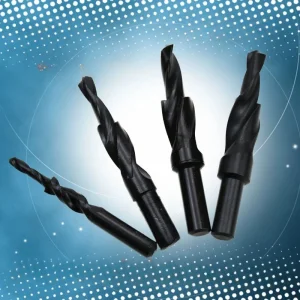
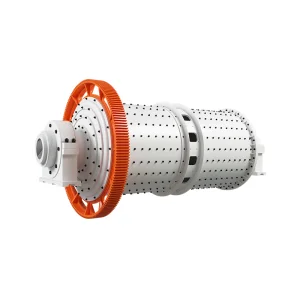
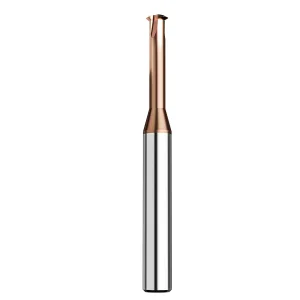
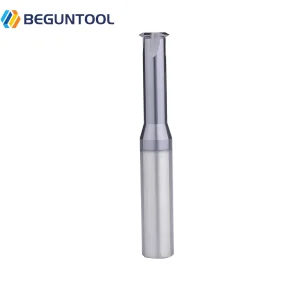
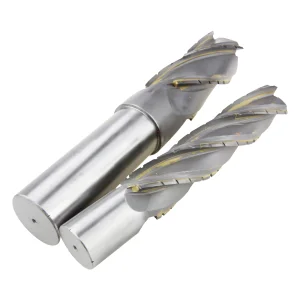
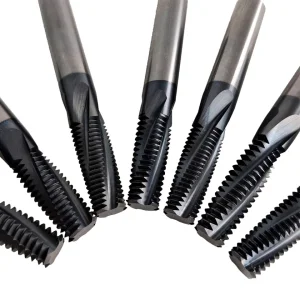
Explore our high-performance precision end mills, gun drills, and custom machining options engineered for complex aerospace, automotive, and SMT applications.
Executive Summary: Sourcing Custom Carbide Reamers in Modern Manufacturing
In modern precision manufacturing, achieving sub-micron concentricity, exact dimensional tolerances, and ultra-smooth surface finishes is paramount. Solid carbide reamers represent the pinnacle of rotary hole-finishing tools. Operating as the final sizing step after drilling or boring, they clean, align, and refine pre-existing holes to meet critical standards like IT7 down to IT5 limits. For global procurers, choosing the right OEM/ODM solid carbide reamer manufacturer is not simply a transactional procurement decision; it is a vital engineering partnership that directly influences production cost, cycle times, assembly tolerances, and overall operational efficiency.
"Reaming is a process where tool geometry, material science, and machine parameters intersect. A discrepancy of just 2 micrometers in tool diameter can ruin a high-value workpiece. Working with an OEM/ODM partner who controls the raw carbide chemistry, sintering profile, grinding parameters, and coating chemistry is the ultimate safeguard."
1. Global Procurement Dynamics & Strategic Sourcing Challenges
Procuring custom cutting tools for international enterprises demands deep supply chain analysis. Technical sourcing directors in the automotive, aerospace, and medical engineering sectors face unique structural challenges:
0.002mm
Concentricity Target
15 Days
OEM Design-to-Prototype
<0.2 Ra
Surface Roughness
H7 / H6
Standard Tolerance Limits
Micro-grain Substrate Traceability: Ensuring the manufacturer uses pure, unadulterated tungsten carbide powder without secondary recycled scraps. This stabilizes tool life and prevents micro-chipping under high mechanical stresses.
Total Cost of Ownership (TCO) vs. Cost-Per-Part: While solid carbide reamers represent a higher initial expenditure compared to high-speed steel (HSS) or cobalt tools, their longevity, high-speed feed rates, and reduction in workpiece scrap rates deliver a significantly lower total cost per hole.
Supply Chain Agility & Customization: In the OEM/ODM landscape, standard catalogs rarely meet the exact needs of challenging hole configurations (such as stepped diameters, internal keyways, or cross-holes). Sourcing partners must offer engineering-on-demand capabilities to supply custom configurations on tight lead times.
2. Macro Industry Solutions & High-Performance Applications
Precision solid carbide reaming is central to several crucial global industrial ecosystems:
Automotive Powertrains
Automotive manufacturing requires millions of precise holes in engine cylinder heads, connecting rods, and transmission casings. Reamers must achieve H7 fits in aluminum-silicon alloys and cast iron, maintaining dimensional stability across thousands of continuous cycles.
Aerospace & Composites
Machining structural elements of titanium alloys (Ti-6Al-4V) and carbon fiber-reinforced plastics (CFRP) requires specialized geometries. Solid carbide tools prevent delamination and withstand the extreme abrasive nature of carbon fibers and the heat-retaining characteristics of titanium.
Medical Device Technology
Surgical tools, orthopedic implants, and robotic instruments demand micro-hole finishing. The reamers must prevent burrs, eliminate surface flaws, and work reliably with medical-grade stainless steel, cobalt-chrome, and PEEK polymers.
3. Technical Roadmap & Material Science of Solid Carbide Reamers
The cutting edge of solid carbide reamer technology depends on material composition, geometric design, and modern coating techniques.
Micro-Grain Tungsten Carbide Substrates
The substrate acts as the foundation of the tool. Standard carbide reamers utilize sub-micron or ultra-fine grain tungsten carbide (WC) bound in a cobalt (Co) matrix. Decreasing the grain size below 0.6 microns increases both the hardness (measured in Vickers or Rockwell A) and the transverse rupture strength (TRS). This toughness is essential for reamers, which must resist chipping on their cutting lips when encountering interrupted cuts or cross-holes.
Geometrical Engineering
Unequal Helix and Variable Pitch: Traditional reamers with evenly spaced flutes often suffer from harmonic resonance, leading to chatter marks inside the hole. Modern custom OEM/ODM reamers feature variable flute spacing (differential indexing) and left-hand helix / right-hand cut configurations to damp vibration, resulting in rounder holes and cleaner finishes.
Straight vs. Helical Flutes: Straight flutes are the industry standard for blind-hole applications because they direct chips forward. Helical flutes (typically left-hand helix) push chips backward, making them ideal for through-holes where they prevent chips from dragging and scratching the finished wall.
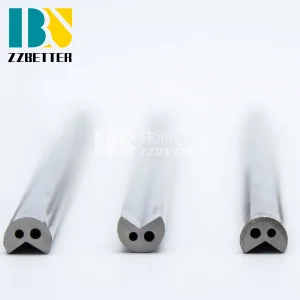
Through-Coolant Channels: High-speed production benefits from internal coolant channels. Directing cutting fluid through the tool body directly to the cutting zone flushes chips out, cools the cutting edges, and extends tool life.
Advanced Surface Coatings
PVD (Physical Vapor Deposition) coatings are crucial for managing high thermal and mechanical loads:
TiAlN (Titanium Aluminum Nitride): Excellent thermal stability for general steels and cast iron.
AlTiN (Aluminum Titanium Nitride): Performs exceptionally well in high-temperature dry machining and hardened steels.
TiSiN (Titanium Silicon Nitride): Designed for machining ultra-hard alloys up to HRC 65, offering high oxidation resistance.
DLC (Diamond-Like Carbon): Extremely low friction coefficient, ideal for avoiding built-up edge (BUE) when machining non-ferrous metals like aluminum alloys and copper.
Established in 2008, Suzhou Tier Tool Co., Ltd. is a national high-tech enterprise specializing in the design, manufacture, and technical support of precision solid carbide cutting tools. Our facility integrates precision engineering with advanced manufacturing processes to supply consistent, industrial-grade tooling.
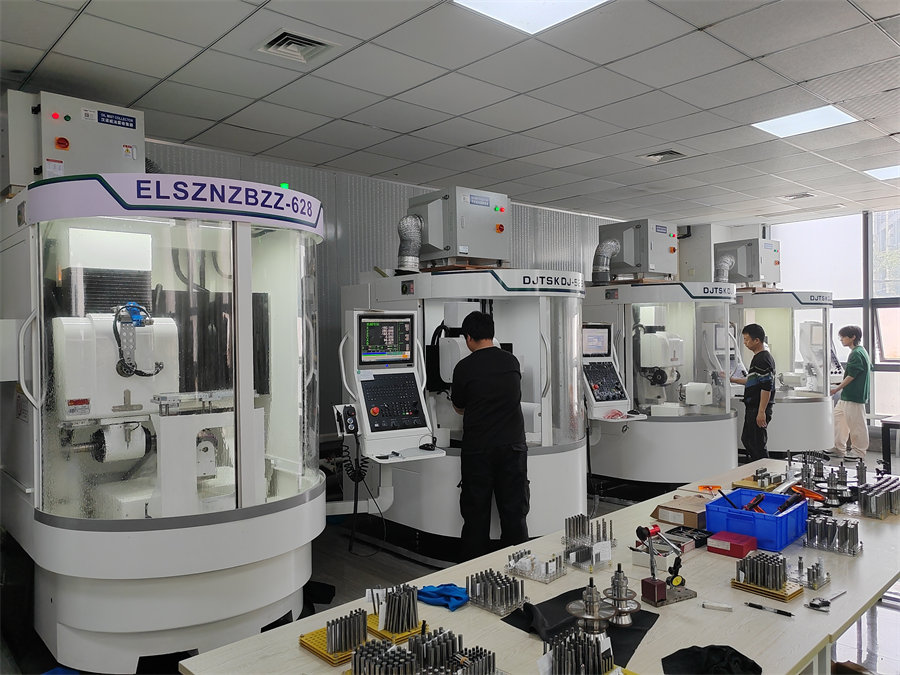
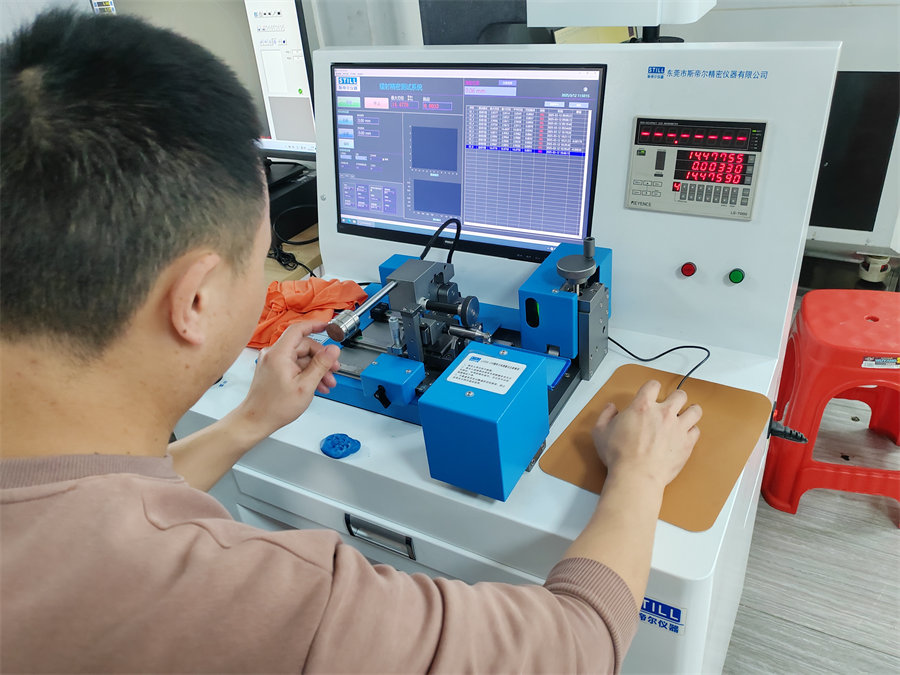
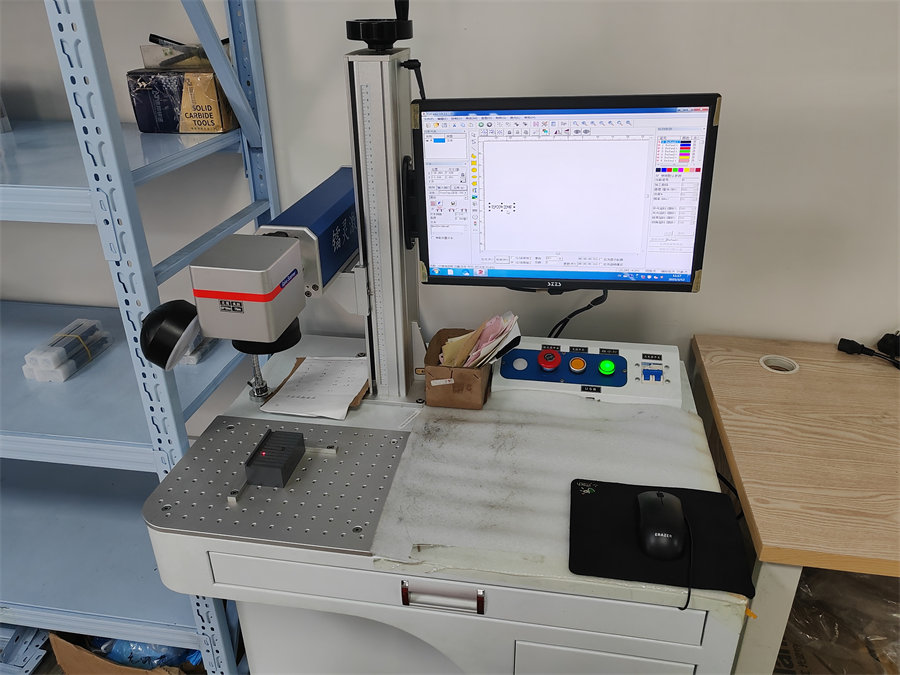
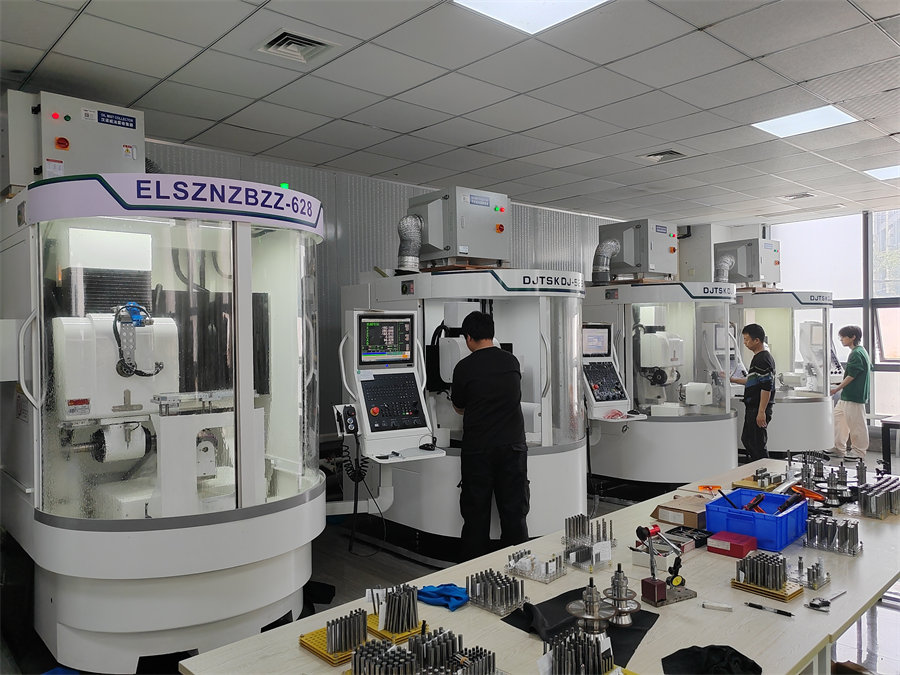
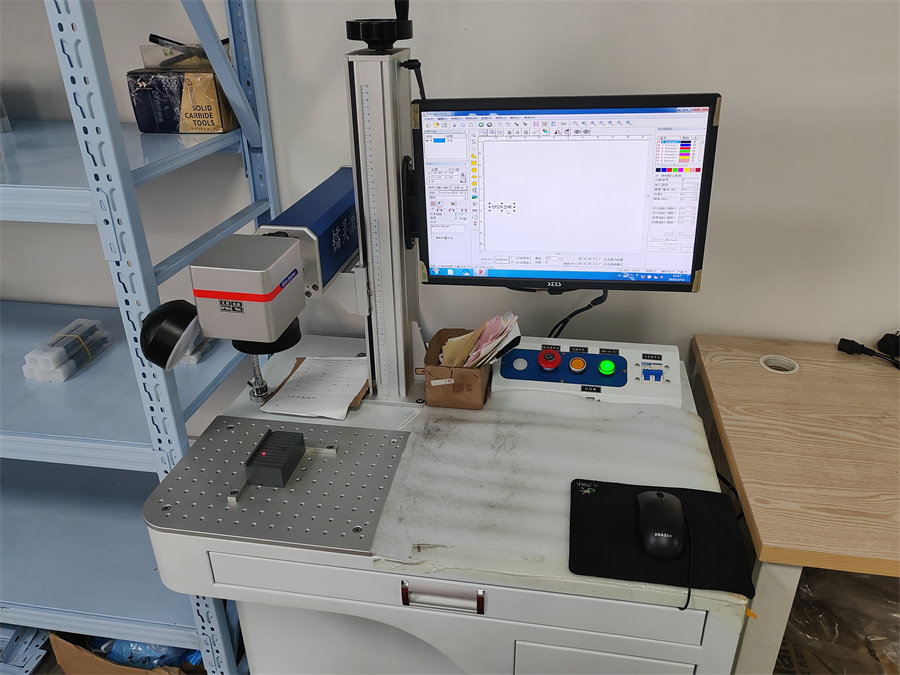
Our manufacturing facility operates imported multi-axis CNC grinding systems, precision inspection instruments, and automated laser marking equipment. This vertically integrated capability allows us to manage every production stage, from custom tool design and prototyping to large-scale manufacturing and quality control. By maintaining tight process controls and complete batch traceability, Suzhou Tier Tool provides reliable, high-precision tooling solutions for global markets.
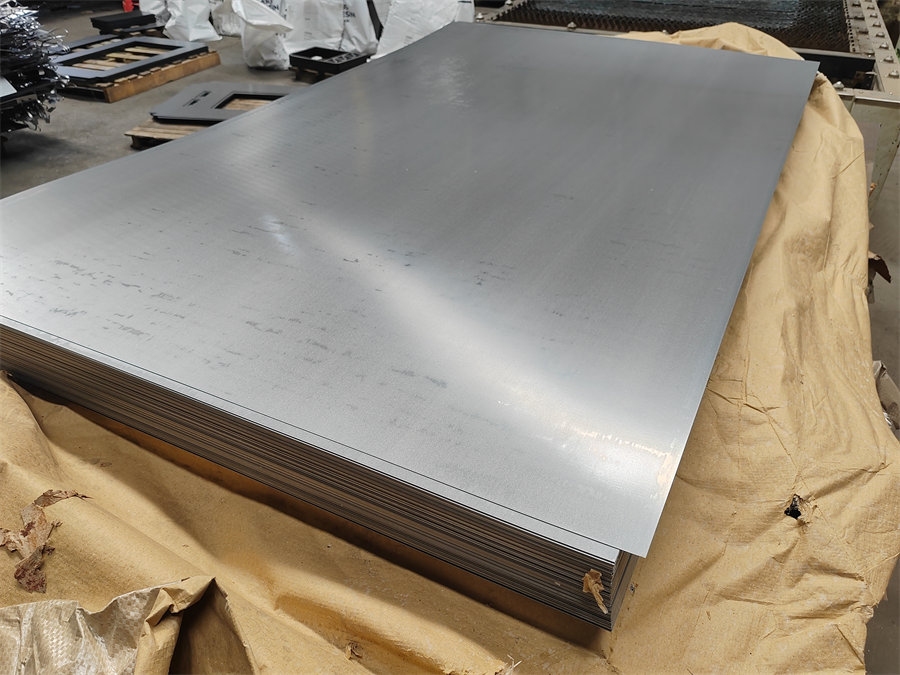
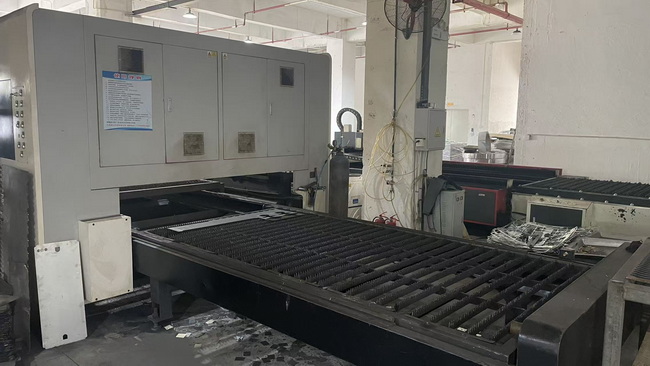
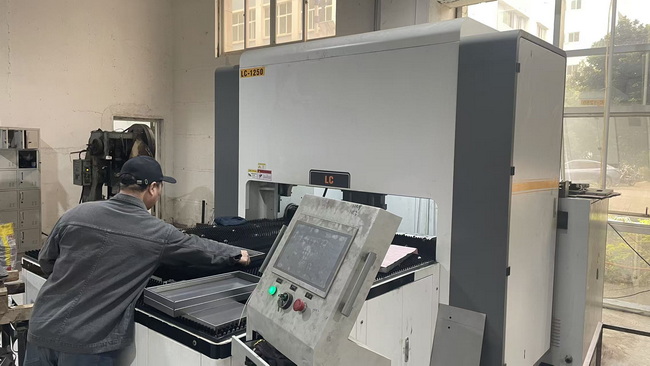
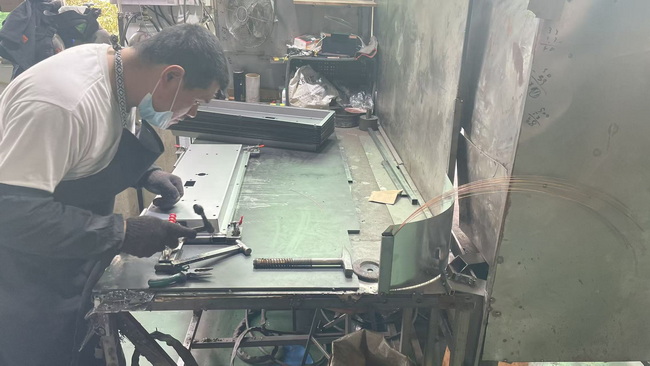
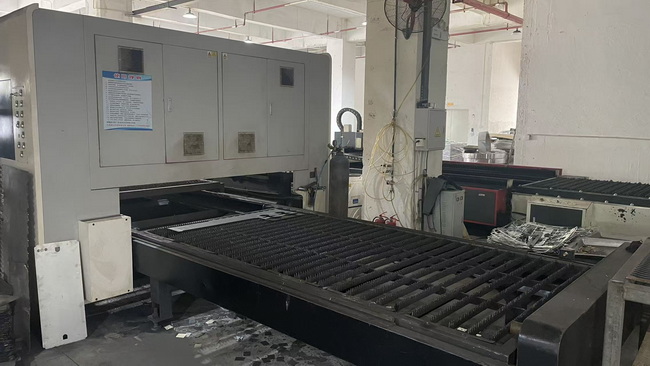
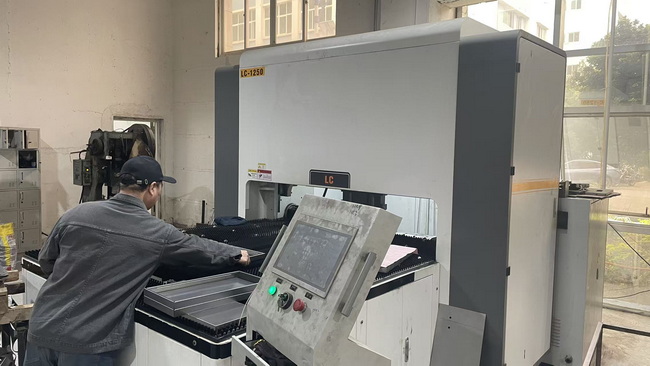
Suzhou Tier Tool Manufacturing & Production Operations
A look inside our state-of-the-art facilities, illustrating our advanced production machinery, rigorous inspection stations, and precision workflows.
At Suzhou Tier Tool Co., Ltd., quality is the foundation of our operations. In precision hole finishing, variations of single micrometers can result in out-of-tolerance components. We adhere to a "Quality First, Continuous Improvement" approach, applying strict quality assurance protocols at every phase of production.
Our comprehensive testing protocols include:
Substrate Verification: We perform metallurgical analysis on all incoming raw carbide materials to verify grain size distribution and chemical homogeneity.
Laser Scanning Metrology: Non-contact 3D optical measurements verify dimensional parameters, runout, helix angle consistency, and back taper.
Micro-Edge Profiling: We analyze cutting edge preparation to verify the honed radius is optimized for the target material. Proper edge honing prevents premature edge chipping and built-up edge.
High-Magnification Surface Inspection: Checking the rake and relief faces of the tools under high magnification ensures there are no grinding micro-cracks or visual defects.
6. Localized Engineering Support & Global Compliance
Supplying industrial cutting tools requires responsive technical and engineering support. Beyond product delivery, Suzhou Tier Tool collaborates with customers to optimize their overall machining processes.
Our technical support specialists work directly with customers to evaluate machining setups, recommend tooling configurations, and determine optimal operating parameters to maximize tool life, efficiency, and cost-effectiveness. In addition, our manufacturing processes comply with international quality, safety, and environmental standards, helping global clients meet their internal ESG (Environmental, Social, and Governance) targets.
7. Technical FAQ: Strategic Solutions for Hole Finishing
Q1: What causes chatter during reaming, and how can it be eliminated?
Chatter is typically caused by harmonic resonance in the cutting setup. It can be addressed by using reamers with unequal flute spacing (differential indexing) to disrupt harmonics, reducing cutting speed while maintaining or slightly increasing the feed rate, minimizing tool overhang to increase rigidity, and ensuring high-precision toolholders (such as hydraulic or shrink-fit chucks) are used to minimize runout.
Q2: How does the choice of flute direction affect reaming performance?
Straight flutes are standard for blind holes as they direct chips forward. Left-hand spiral flutes (with a right-hand cut) push chips backward, out of the entry side of the hole. This design is preferred for through-holes because it prevents chips from dragging along and scratching the finished wall. Right-hand spiral flutes pull chips forward, making them suitable for blind holes in highly ductile materials, though they can pull the tool into the workpiece.
Q3: Why is sub-micron tungsten carbide preferred over standard micro-grain?
Sub-micron carbide structures (grain sizes under 0.6 microns) offer higher hardness and transverse rupture strength (TRS). This allows the tool to maintain a sharp cutting edge and resist wear while remaining tough enough to withstand micro-chipping under high mechanical stresses or during interrupted cuts.
Q4: What is the optimal amount of stock material to leave for a reaming operation?
Leaving the correct amount of material is critical. Too little stock causes the tool to rub rather than cut, leading to rapid wear and poor surface finish. Too much stock overloads the tool, causing deflection and dimensional errors. As a general rule, leave 0.1mm to 0.15mm of stock on the radius (0.2mm to 0.3mm on the diameter) for general steels, and slightly less (0.05mm to 0.1mm) for hard-to-machine alloys.
Q5: How do PVD coatings extend the performance of solid carbide reamers?
PVD coatings apply a thin, wear-resistant layer that serves as a thermal barrier, protecting the carbide substrate from heat. Coatings like TiAlN and AlTiN improve surface hardness and oxidation resistance at high temperatures. Specialized coatings like DLC (Diamond-Like Carbon) provide low friction, which prevents workpiece material from adhering to the cutting edges when machining non-ferrous metals.
Q6: Can OEM/ODM solid carbide reamers be designed with integrated step features?
Yes, custom step reamers are common. These tools can combine drilling, chamfering, and reaming operations into a single pass. This minimizes tool changeover times, ensures concentricity between different hole diameters, and improves production efficiency in high-volume environments like automotive transmission manufacturing.
Featured Precision Tooling Catalog (Part II)
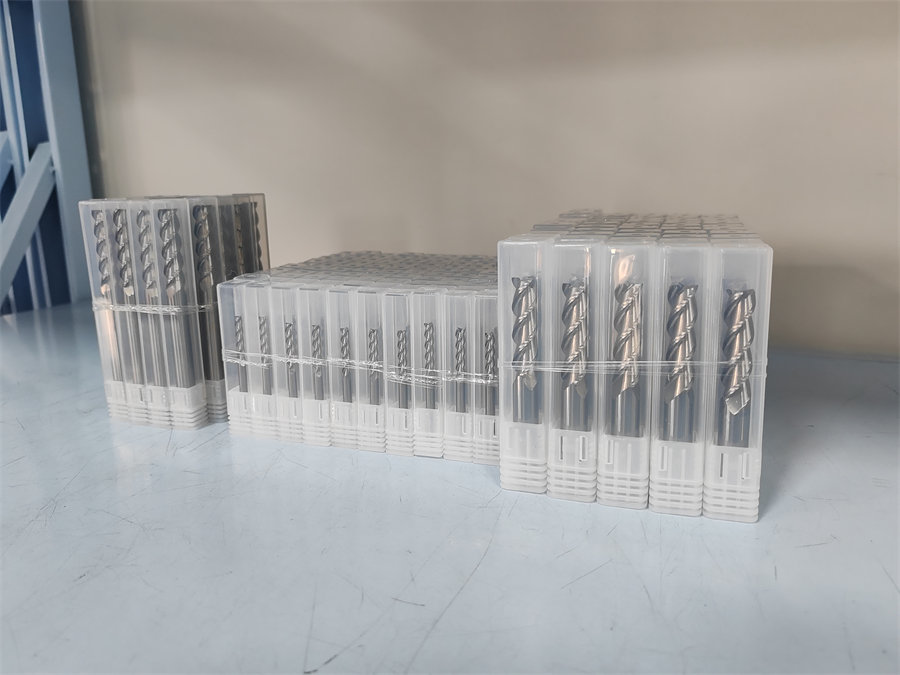
Discover our comprehensive collection of solid carbide tools, step drills, ball nose end mills, and specialized cutters for tough, high-speed applications.

 Tier Tool