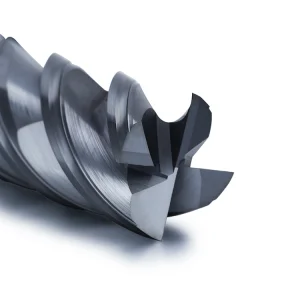
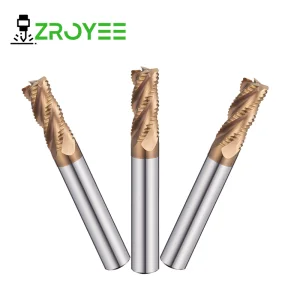
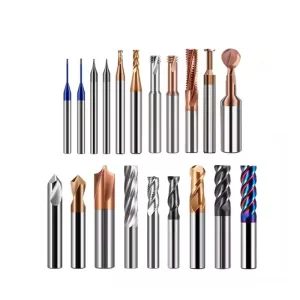
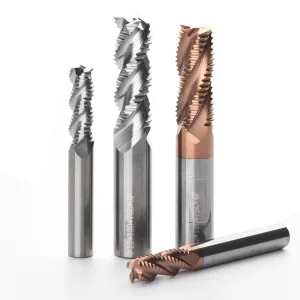
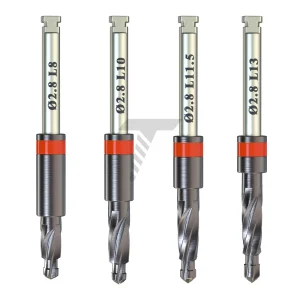
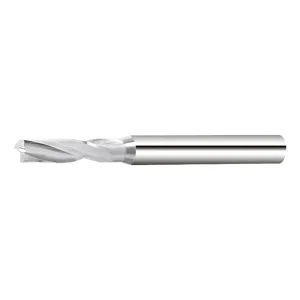
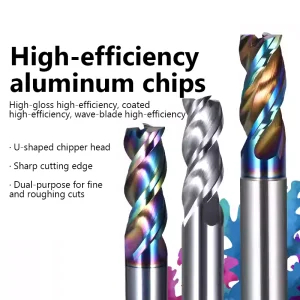
Engineered for extreme metalworking applications, delivering maximum accuracy and wear resistance.
The global precision tooling market has undergone a significant paradigm shift over the past two decades. Indexable tooling systems, particularly indexable insert holders, have largely replaced solid tooling in heavy-duty and high-throughput milling, turning, boring, and drilling operations. This transition is primarily driven by the economics of modern CNC machining centers, where minimizing tool setup times and maximizing chip removal rates are directly correlated with corporate profitability.
Modern insert holders are no longer simple mechanical clamps. They are highly engineered components designed to withstand severe mechanical stresses, thermal gradients, and cyclic loading. The integration of high-strength alloy steels, optimized heat treatment cycles, and specialized surface coatings (such as black oxide or nickel plating) has enabled today’s insert holders to maintain dimensional stability under cutting conditions that would have broken previous generations of tooling.
Rigid tolerances are mandatory for aerospace and medical manufacturing. A runout variance of just 5μm can reduce carbide insert tool life by up to 40% under high feed conditions.
Established in 2008, Suzhou Tier Tool Co., Ltd. is a national high-tech enterprise specializing in the design, manufacturing, and technical support of precision solid carbide cutting tools and custom indexable tooling solutions. Deeply committed to the precision machining industry, Tier Tool has focused on delivering high-performance, high-efficiency cutting solutions for hole-making, turning, and complex metalworking applications.
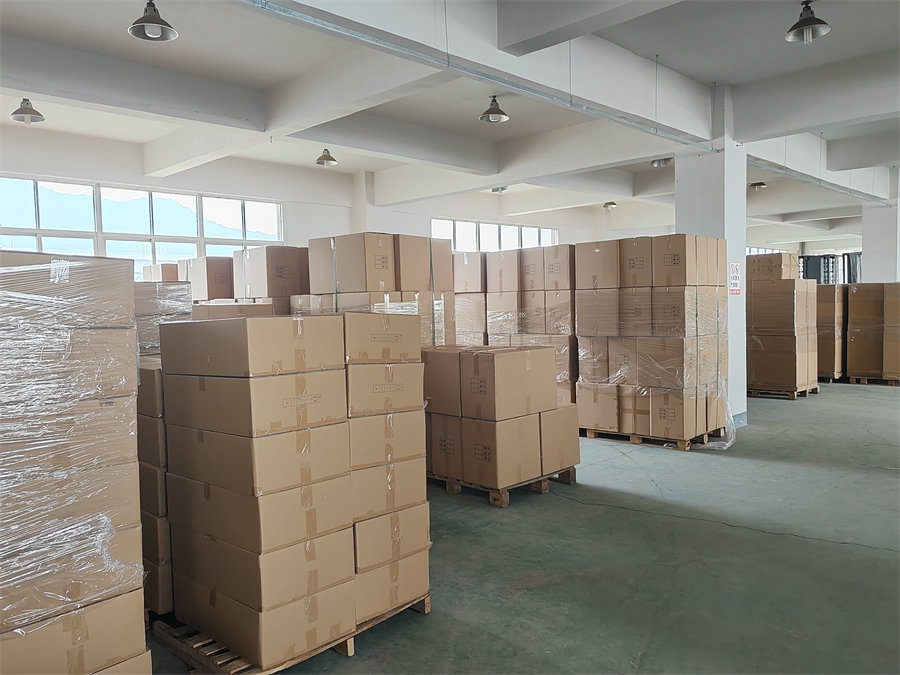
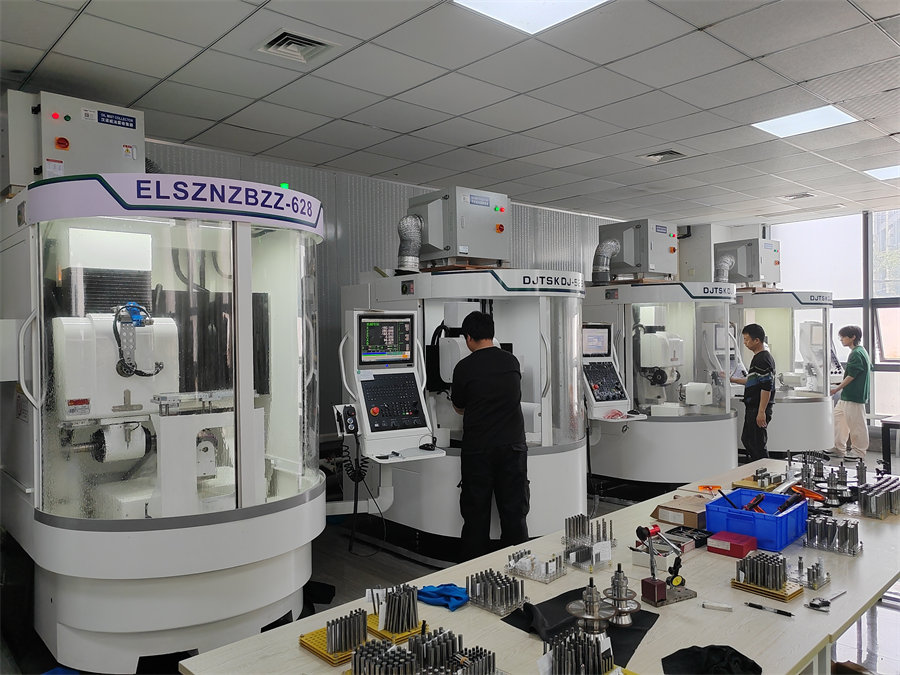
Through systematic process management, standardized operating procedures, and strict raw material verification processes, Tier Tool has built a robust manufacturing system that handles everything from initial conceptual design and rapid prototyping to large-scale, automated production runs. This infrastructure enables the company to meet the tight tolerances and quality consistency requirements of automotive, aerospace, and medical component manufacturers.
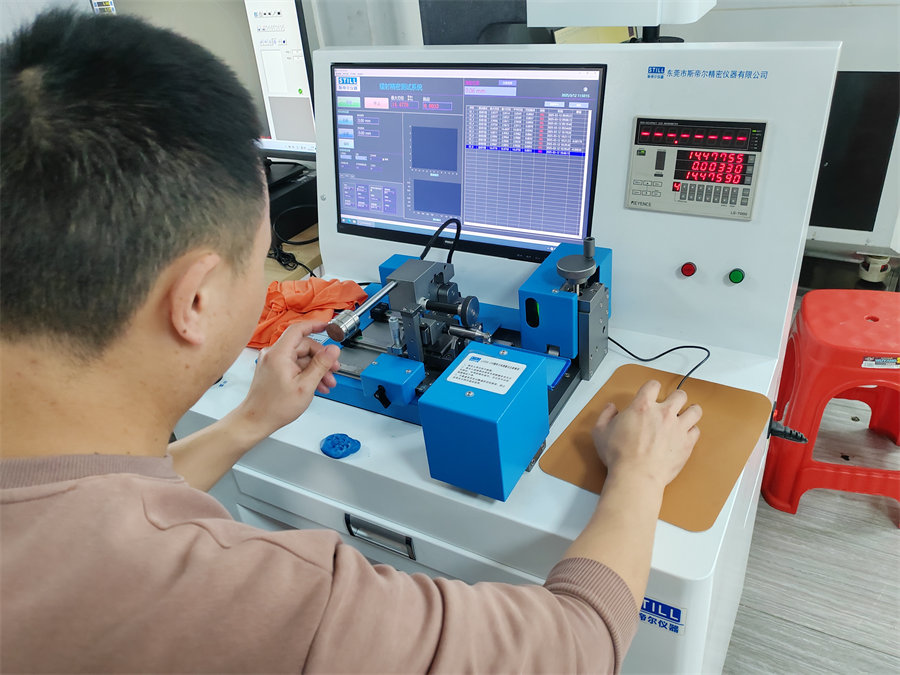
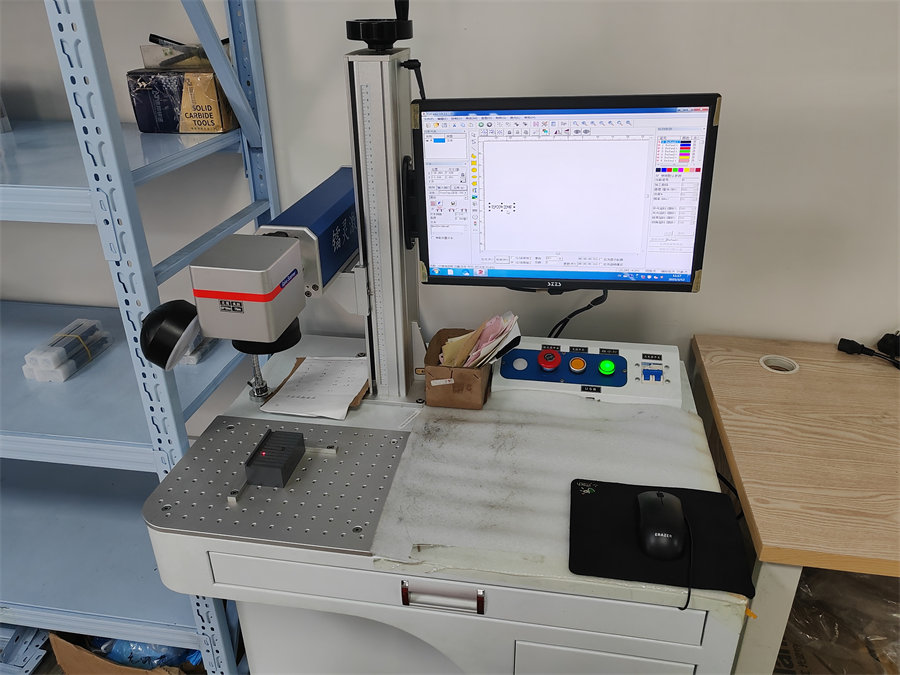
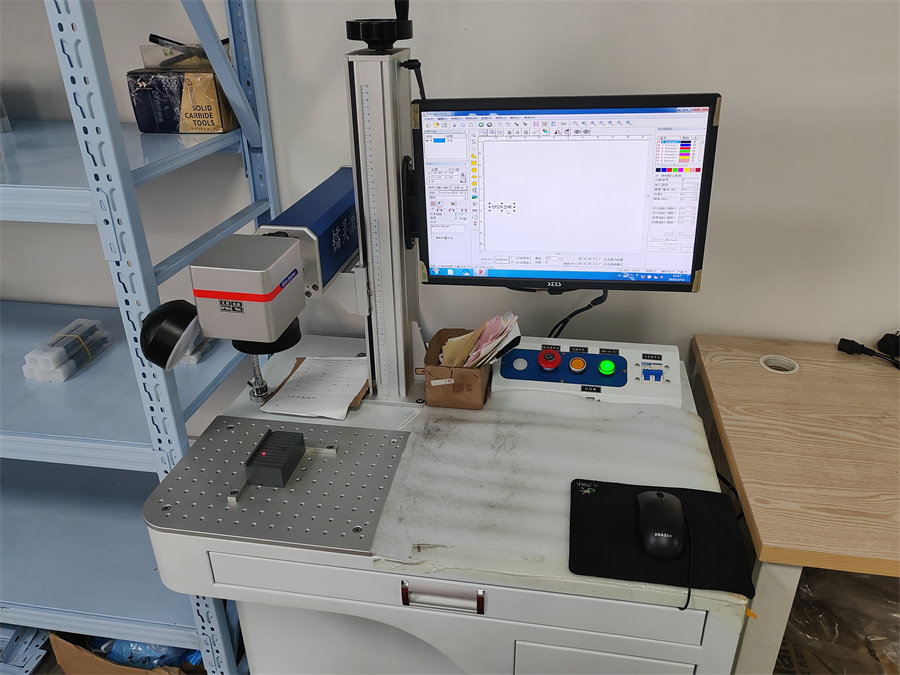
Quality is the foundation of Tier Tool's long-term success. Adhering to the principle of "Quality First, Continuous Improvement," every batch undergoes complete geometrical and dimensional checks using advanced metrology equipment. Beyond simply manufacturing high-performance insert holders, Tier Tool acts as a strategic manufacturing partner. Their technical specialists work directly with customers to optimize cutting parameters, analyze tool wear patterns, and develop custom tooling geometries that maximize spindle uptime.
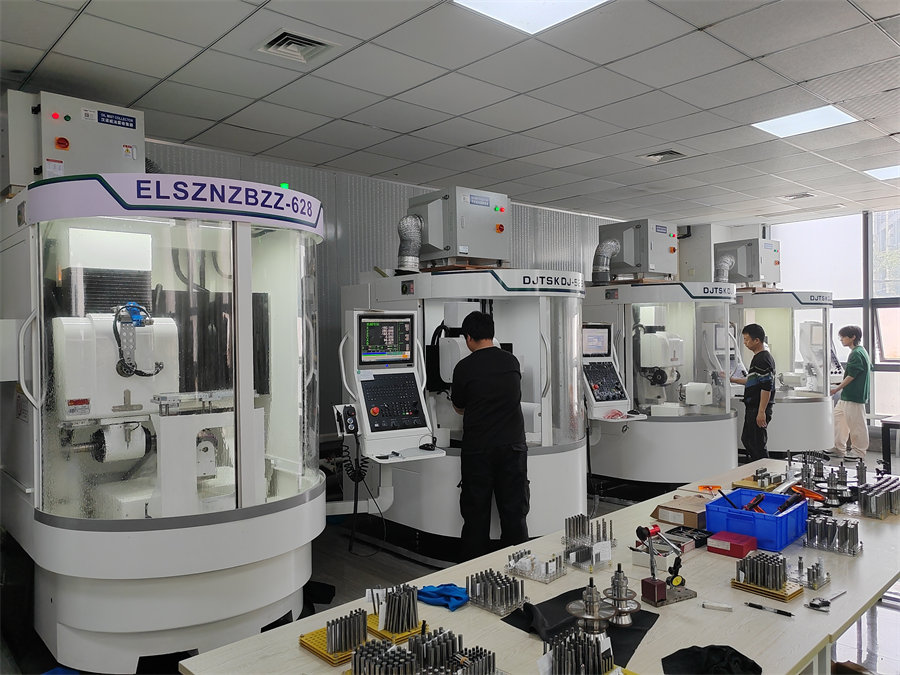
How state-of-the-art automation, vertical integration, and advanced logistics maintain consistent delivery under global market pressures.
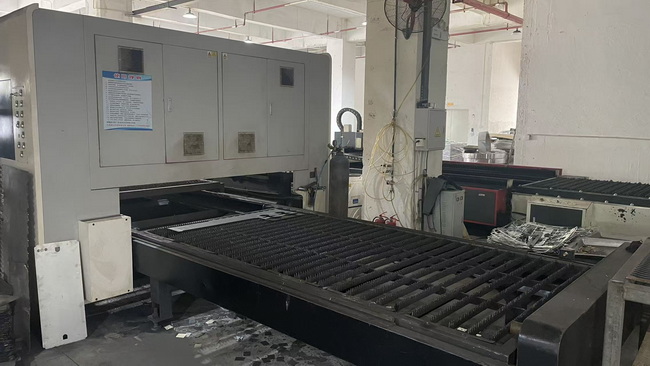
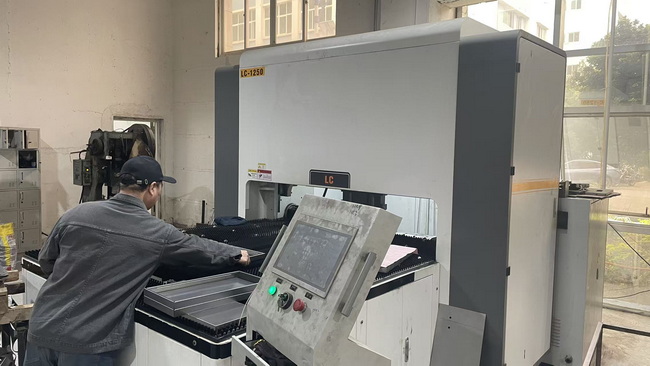
Modern manufacturing requires more than just high-quality products; it demands absolute reliability in the supply chain. Leading Chinese manufacturers have transitioned into automated, data-driven "Smart Factories" where laser cutting, automated bending, robotic welding, and automated inspection loops work in harmony. This automation guarantees dimensional repeatability across large manufacturing volumes and lowers costs compared to traditional manual tooling factories.
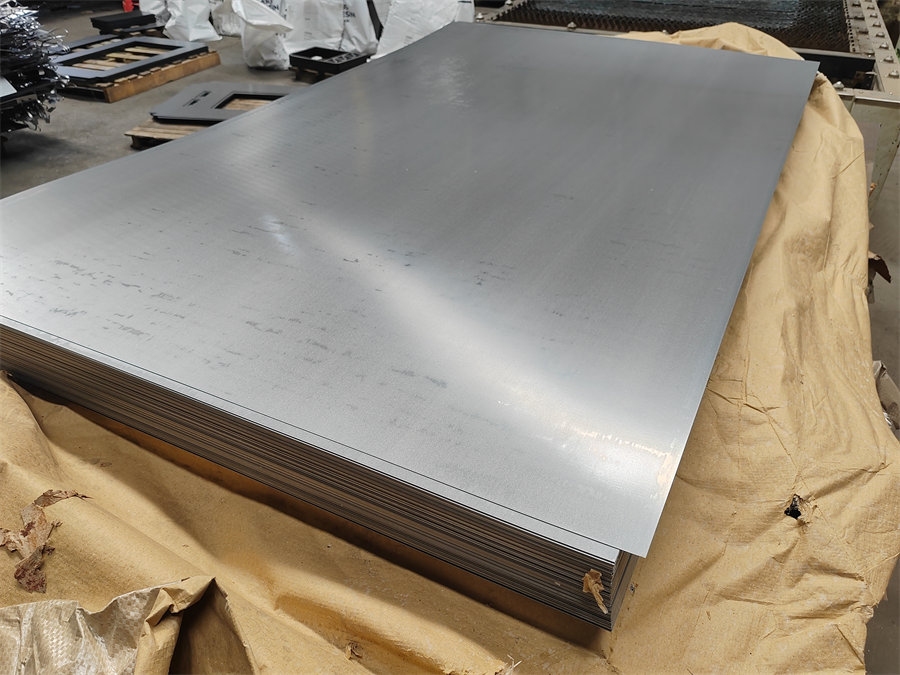
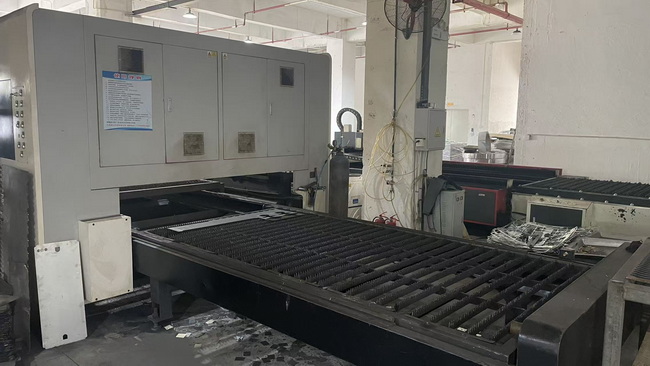
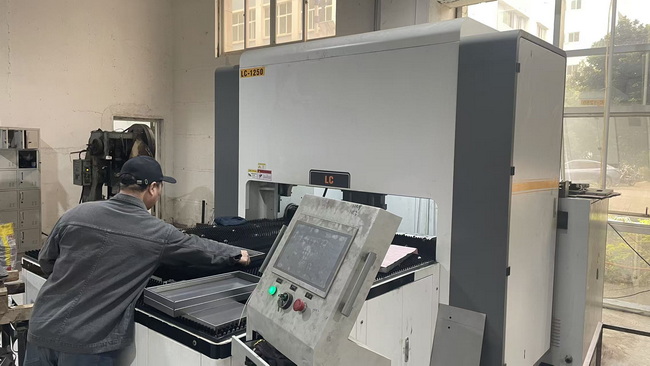
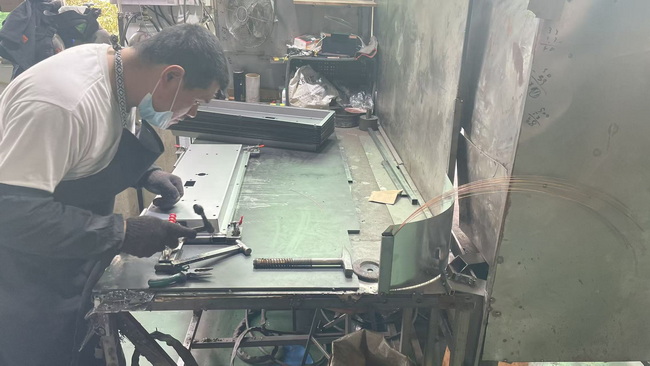
A comprehensive analysis based on manufacturing capabilities, export footprint, innovation index, and technical support frameworks.
To help procurement managers make informed decisions, we have evaluated the top global manufacturers of insert holders. Our evaluation framework grades manufacturers on their steel treatment technology, runout limits, ISO compatibility, global support channels, and lead times.
| Manufacturer Name | Origin | Primary Specialties | Runout Tolerance | Clamping System Innovations | Global Market Footprint |
|---|---|---|---|---|---|
| Sandvik Coromant | Sweden | CoroTurn®, Capto® Modular Tooling | < 2 μm | Capto Quick-Change, Wedge-Lock | Aerospace, Automotive, Energy, Worldwide |
| Kennametal | USA | KM™ Micro-clamping, High-feed Milling | < 3 μm | KM Quick Change, Screw-on | Heavy Industry, Mining, North America & Europe |
| Iscar | Israel | Whisper Line Anti-Vibration, ModuGrip | < 3 μm | Lever-lock, CAM-fix Clamping | High-speed Machining, Global Distributor Network |
| Suzhou Tier Tool Co., Ltd. | China | Custom Indexable Tooling, High-Feed U-Drills | < 3 μm | Integrated Screw-on, Rigid Pocket Design | Global OEM/ODM, Europe, North America, Southeast Asia |
| Mitsubishi Materials | Japan | Impact-resistant turning tool holders | < 3 μm | Double-clamp, Screw-on | Precision Micro-Machining, Asia & Europe |
| Kyocera Corporation | Japan | Ceramic/Cermet tool clamping systems | < 4 μm | Wedge-clamp, Dynamic lock | Automotive Parts Production, Global |
| Tungaloy | Japan | TungTurn, Slotting Cutters, Face Mills | < 3 μm | Lever-clamping, Screw-on | Heavy Engineering, Aerospace, Global |
| Walter AG | Germany | Walter Cut, Precision Grooving Systems | < 2 μm | Precision Cooling Clamps | Automotive Engine Block Production, Europe |
| Seco Tools | Sweden | Steadyline® vibration dampening shanks | < 3 μm | GL connection system, Screw-on | Deep Cavity Milling, Worldwide |
| Sumitomo Electric | Japan | SEC-Multidrill, CBN Insert Holders | < 3 μm | Lever-lock, Multi-lock systems | Hardened steel turning applications, Global |
When selecting a supplier from the Top 10 list, corporate buyers should look beyond unit cost and analyze the Total Cost of Ownership (TCO). High-tier European and Japanese manufacturers offer excellent technology but often with longer lead times and higher initial price points. Agile manufacturers like Suzhou Tier Tool Co., Ltd. bridge this gap by offering precision tolerances (<3μm) and customized design (OEM/ODM) services with shorter turnaround times, helping manufacturers maintain operations during supply chain disruptions.
Analyzing how different configurations of insert holders and cutting geometries perform across critical heavy industries.
Machining aerospace-grade Titanium alloys (such as Ti-6Al-4V) generates extreme heat concentrated at the cutting edge. This requires indexable tool holders with integrated high-pressure coolant channels directed at the insert rake face. Rigid clamping is critical to prevent tool pull-out under heavy axial loads.
Best Configuration: HSK-A100 Dual-Contact HoldersHigh-volume automotive production requires consistent roundness and surface finishes on cylinder bores. Insert holders used in these boring bars must feature micro-adjustment mechanisms (increments of 0.002mm) to compensate for insert wear and maintain strict dimensional compliance over long production cycles.
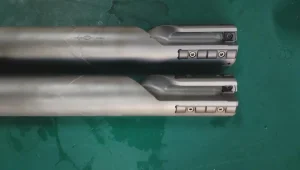
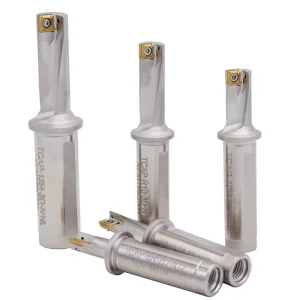
Best Configuration: Fine-Boring Heads with Dial AdjustmentMachining oilfield drill collars and high-pressure valves requires drilling depths up to 20 times the tool diameter. Indexable gun drills and U-drills require rigid steel shanks combined with specialized wear pads to prevent deflection and ensure straight holes.
Best Configuration: Straight Shank U-Drills with Internal CoolingExpert insights on tool holder maintenance, clamping selection, and troubleshooting common machining issues.
The pocket of an insert holder acts as the locating foundation for the cutting indexable insert. Over time, high cutting forces and thermal cycles cause micro-deformation of this pocket. If pocket wear exceeds 0.01mm, it changes the insert's effective rake and clearance angles, leading to increased tool deflection, vibration, and premature insert failure. Pocket dimensions should be checked periodically with precision pin gauges.
Screw-on systems (ISO code S) use a center screw to secure the insert, maximizing chip clearance and making them ideal for light-to-medium internal turning and boring. Wedge-clamp or double-clamp systems (ISO codes D and M) use a top clamp and pin mechanism to lock the insert, offering higher rigidity for heavy, interrupted cuts.
At high rotational speeds (above 10,000 RPM), any mass eccentricity creates centrifugal forces that cause spindle vibration. This vibration causes uneven loading on the insert cutting edges, leading to chipping and poor surface finishes. High-speed insert holders must be balanced to ISO 1940 standard G2.5 or G1.0 at maximum operating speeds.
The ratio of tool holder overhang (L) to shank diameter (D) determines bending stiffness. Stiffness decreases cubically as the overhang increases. A ratio of L/D < 3 offers high stability. For ratios above 5, standard steel shanks struggle with chatter, requiring heavy-metal (tungsten alloy) or carbide-reinforced shanks to maintain stable cuts.
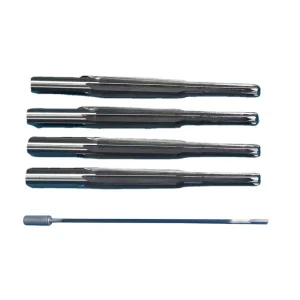
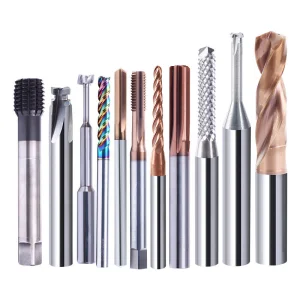
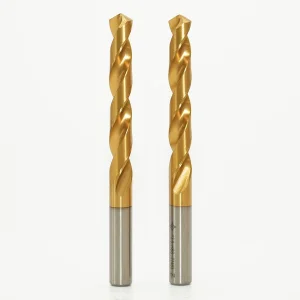
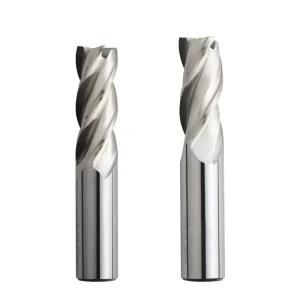
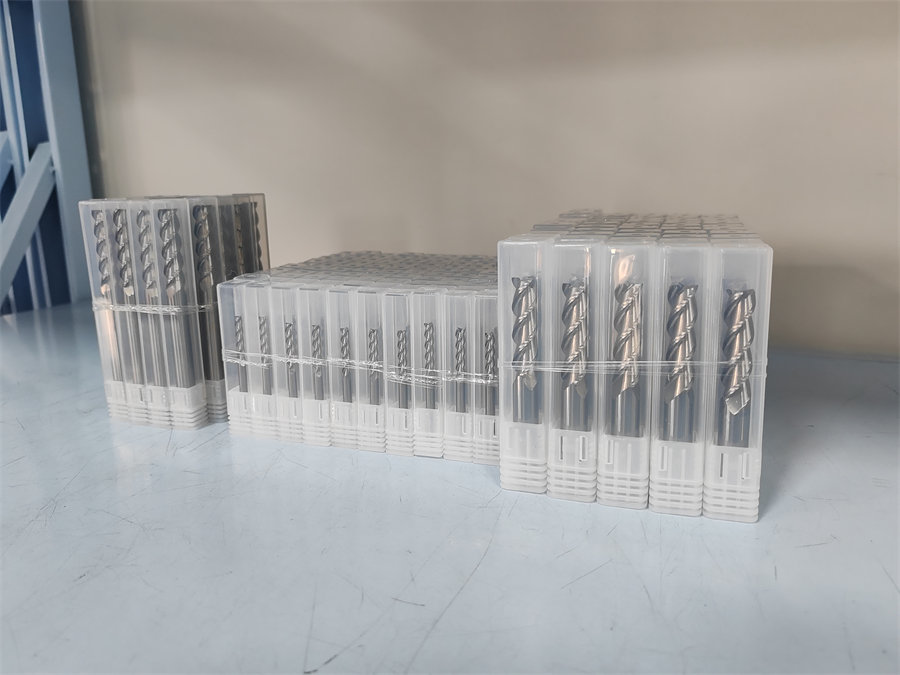
Premium solid carbide and HSS tool variants engineered for high efficiency and consistent performance.
 Tier Tool